When Online Vacation Deals Hide Costly Traps
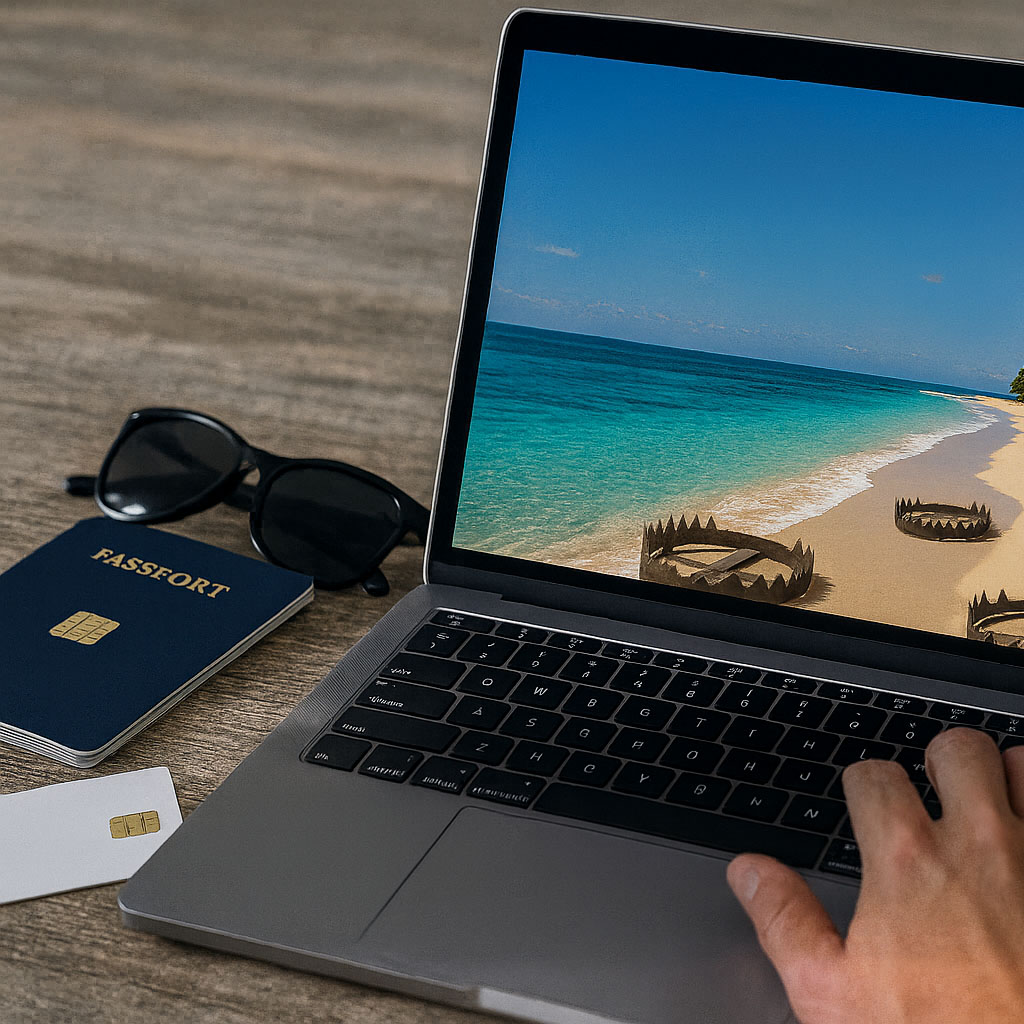
Nancy Moore had just retired after a long career as a teacher. To celebrate, she and her husband planned to become “snowbirds” and spend a month in Naples, Florida. Instead, the couple lost $8,000 in a vacation rental scam—an experience Nancy now shares to warn others.
A Vacation Listing That Looked Real
 The Moores found a Naples rental listed on several “by owner” websites. The person presenting himself as the owner appeared legitimate. “The person I thought I was dealing with is a real person in Naples,” Nancy explained. “His identity was used, and so when I looked him up, it came up that he actually is a CEO of a company that buys land and businesses, and so it sounded all real.”
Even with those reassurances, Nancy was cautious. When told she would need to pay through a bank wire transfer, she took the contract to her bank. Staff there told her that this method was normal for Florida monthly rentals. With that reassurance, she went forward with the booking.
The Call That Changed Everything
It wasn’t until after Nancy made the final payment that she realized something was wrong. She called the website and mentioned the unit number. The representative responded: “Oh no, please tell me you’re not looking at unit number 506.” When Nancy confirmed, the rep said, “Oh no, this is the second call we’ve had in 24 hours.”
According to Spectrum News, other elderly victims had been targeted in the same way. Nancy later learned that the scammer paid to post the listing with a prepaid Mastercard, and the platform didn’t require proof of ownership to create the ad.
A Family’s Fight for Accountability
 After realizing they had been scammed, the Moore’s filed police reports in both Ohio and Florida. They also sent a demand letter to the rental site in hopes of holding it accountable. The paperwork they had signed looked completely legitimate—a standard landlord-tenant contract that appeared no different than what you’d expect in a short-term lease.
But despite the professional-looking documents, the family soon learned that recovering their money would be nearly impossible. The website that hosted the fraudulent listing did not require owners to verify their identities, and in this case, the scammer had simply paid to post the property using a prepaid Mastercard.
In the end, the company’s only response was to add new disclaimers to its site, warning future renters to be cautious. For the Moores, the damage was already done. Their experience shows how easy it is for criminals to exploit gaps in online platforms and how difficult it can be for consumers to fight back once the money is gone.
Lessons for Other Vacation Renters
 “There were multiple people who fell into the same trap I did,” Moore explained, noting that the scam was not an isolated incident.
“They’re going after snowbirds,” she added, pointing out how retirees looking for long-term winter rentals have become prime targets for fraud. Out of their loss comes a warning for others. Their advice:
- Never rent a vacation property without reviews.
- Avoid listings that are new or unverified.
- Only pay with a true credit card.
- Never use bank or wire transfers, PayPal, Zelle, Venmo, debit cards, or prepaid cards.
- Research the rental site’s reputation and check if it’s accredited by the Better Business Bureau.
Who to Contact if You’re a Victim of Vacation Rental Fraud in Florida
 If you’ve been scammed in a vacation rental transaction, quick action is critical. Here are the key agencies and resources to reach out to:
- Local Law Enforcement
File a police report both where you live and in the Florida jurisdiction where the property was supposed to be located. This creates an official record that may help in investigations. - Florida Attorney General’s Office
The Florida Attorney General handles consumer protection matters, including rental scams. You can file a complaint online or by phone at 1-866-9-NO-SCAM (1-866-966-7226). - Federal Trade Commission (FTC)
Report the fraud at reportfraud.ftc.gov. The FTC collects complaints to track patterns and may work with other agencies to act against scammers. - Internet Crime Complaint Center (IC3)
If the scam involved online communication, payments, or listings, file a complaint with the FBI’s IC3 at www.ic3.gov. - U.S. Postal Inspection Service
If you mailed payments or documents, the Postal Inspectors may investigate fraud committed through the mail. Visit www.uspis.gov to report. - Better Business Bureau (BBB)
Check whether the rental site is BBB-accredited and file a complaint at www.bbb.org to warn other consumers. - Your Bank or Credit Card Company
Contact your financial institution immediately. If you used a credit card, you may be able to dispute the charge. If you wired money or used a transfer service, notify them right away to see if the funds can be recovered.
When to Hire an Attorney
While reporting fraud to authorities is an important first step, in many cases victims find it difficult to recover their money without legal help. You should consider speaking with an attorney if the amount lost is significant, if the fraudulent platform refuses to cooperate, or if you’ve signed contracts that appear binding but were tied to a scam. An experienced consumer protection lawyer can review your documents, communicate directly with the rental platform, and explore civil remedies that may not be available through law enforcement alone. In situations involving seniors, out-of-state rentals, or repeated scams, an attorney’s guidance can be critical in protecting your rights and pursuing recovery.
Final Thoughts
For retirees and families alike, the promise of a perfect vacation can quickly turn into a costly trap. At Finn Law Group, we remind consumers that scammers thrive on trust and urgency. A healthy dose of skepticism—and secure payment practices—can be the difference between a dream vacation and a financial nightmare.
Disclosure: This article is intended for informational purposes only and should not be considered legal advice. Images included are used for illustrative and artistic purposes only and do not depict actual individuals, events, or specific locations.
____________________________________
Led by timeshare attorneys J. Andrew Meyer and Michael D. Finn with over 75 years of combined legal experience. The Finn Law Group is a national consumer protection firm that specializes in Timeshare Law. If you feel you need the services of a timeshare attorney, contact our law firm today at 855-FINN-LAW. Want to learn more on timeshare related issues? Follow us on X formally Twitter.