
 Validate That Debt Before You Pay
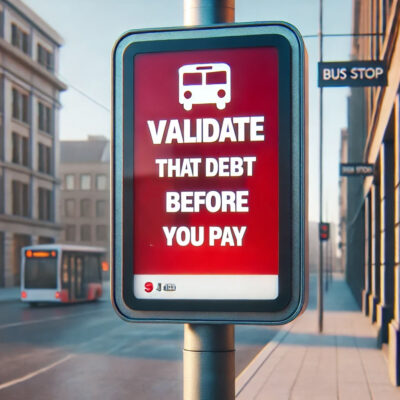
When you’re notified about an unpaid debt—through phone calls, emails, or letters—it can feel confusing and even a little intimidating. That’s why it’s essential to validate that debt before you pay, ensuring that you don’t end up covering someone else’s bill or paying more than you actually owe.
One of the best resources for verifying the legitimacy of a debt is the debt validation letter, also sometimes referred to as a “debt verification letter.”
This important document provides the details you need—such as the name of the creditor, the amount owed, and instructions on how to dispute or request further clarification. By reviewing a debt validation letter carefully, you can confirm whether the debt truly belongs to you and whether it’s been calculated accurately. In the sections that follow, we’ll dive deeper into what a debt validation letter is, what it confirms or does not confirm, and why it’s such a crucial asset in safeguarding your finances and consumer rights.
What Is a Debt Validation Letter?
A debt validation letter is a written notice sent by a debt collector to a consumer that outlines specific details about an alleged debt. Under the Fair Debt Collection Practices Act (FDCPA), debt collectors are required to send this letter within five days of first contacting you about a debt. This requirement applies whether you are first contacted by phone, text, email, or through regular mail.
Key points about a debt validation letter include:
- Prompt Delivery Requirement: By law, debt collectors must provide this letter within five days after contacting you regarding the debt.
- Information Disclosure: The letter must lay out core details of the debt, such as the amount owed, the creditor’s name, and steps for disputing the debt.
- Legal Protection: If a debt collector fails to send you a debt validation letter, they may be in violation of the FDCPA, giving you legal recourse.
What Information Must It Include?
The FDCPA clearly outlines the essential information a debt collector’s validation letter must contain. While formats can vary, a proper debt validation letter generally includes:
- Amount of Debt: An itemized statement or a clear total.
- Creditor Name: The name of the creditor to whom you officially owe money.
- Statement of Rights: Information on your right to dispute the debt within 30 days of receiving the letter.
- Verification Obligation: A statement that if you dispute the debt in writing within 30 days, the collector will provide verification of the debt.
- Original Creditor Information (If Different): If the debt has been sold or transferred, the debt validation letter must provide the name and address of the original creditor (upon request).
This letter should make it clear how you can exercise your rights to dispute or seek further clarification on the debt. If it’s missing any of these components, or if the communication is ambiguous about your rights, the debt collector may be in violation of federal law.
What a Debt Validation Letter Confirms (and Doesn’t Confirm)
A debt validation letter serves as preliminary proof that the collection agency is, in fact, attempting to collect on a real debt. However, it does not automatically confirm that the debt is valid or that you are the correct person to pay it. It only provides:
- Basic Verification: That there is a debt on record with the collector.
- Collector’s Authority: The debt collector is authorized to collect the amount in question.
- Debt Origin: The name of the creditor and the amount owed.
What it does not necessarily confirm:
- Accuracy of the Amount: Just because a letter states you owe a certain amount doesn’t mean you owe exactly that amount. Mistakes can happen—especially if a debt has been sold multiple times.
- Timing and Statute of Limitations: Receiving a validation letter doesn’t necessarily mean the debt is still within the statute of limitations for collection lawsuits.
- Ownership of the Debt: If you believe the debt is not yours or has already been settled, you still have to dispute or verify through the correct channels.
How to Request Further Validation
The FDCPA allows you to request more information if you disagree with or question the validity of a debt. You have 30 days from the date you receive the validation letter to submit a written dispute. In your dispute:
- Outline Specific Reasons: Clearly state why you believe the debt is incorrect or not yours.
- Request Detailed Documentation: You have the right to ask for specific documentation (like account statements or a contract) that ties you to the debt.
- Maintain Records: Send your dispute letter via certified mail with a return receipt, so you have proof that the collector received it.
Once the collector receives your written dispute, they must cease collection efforts until they provide additional verification of the debt.
 What Happens if You Don’t Receive a Debt Validation Letter?
If a debt collector contacts you but never sends a validation letter, that can be a red flag that you’re dealing with a scam or an unscrupulous collector. According to the FDCPA, failing to provide a validation notice is a violation of federal law. Here’s what to do:
- Stop Communication: Avoid giving the collector any personal or financial information until you verify their legitimacy.
- Request the Letter: Ask the collector to mail you a formal debt validation letter.
- Consult an Attorney or Contact Authorities: If you suspect fraud or continue to be harassed, you can seek legal advice or report the incident to the Consumer Financial Protection Bureau (CFPB) or your state attorney general’s office.
Why a Debt Validation Letter Matters for You
- Protects Against Errors: Errors happen—especially when debts have changed hands multiple times. A validation letter is an opportunity to spot inaccuracies early.
- Prevents Fraud: Unfortunately, scammers may pose as collectors to coerce payments. Validating a debt ensures you’re dealing with a legitimate claim.
- Shields You from Harassment: If a collector continues to pursue collection without providing validation, you can leverage your rights under the FDCPA to halt improper collection activities.
- Sets a Foundation for Negotiation: If the debt is valid, the validation letter is your baseline for potentially negotiating a payment plan or settlement.
 Best Practices to Protect Yourself
- Keep a Paper Trail: File all letters and keep notes of conversations (including dates, times, and the name of the representative you spoke with).
- Communicate in Writing: Whenever possible, communicate via letters or emails, which create a written record of what was said.
- Confirm Timelines: Remember that you have 30 days after receiving the validation letter to dispute. Act quickly if you wish to challenge the debt.
- Know Your State Laws: Some states have additional consumer protections beyond federal law. Familiarize yourself with your state’s regulations.
- Retain an Attorney: If you need legal advice or feel your rights have been violated, consult a consumer attorney who specializes in FDCPA matters.
 Looking Forward on FDCPA
A debt validation letter is a cornerstone of your consumer rights, helping ensure transparency and accuracy in the debt collection process. While receiving a validation letter doesn’t automatically confirm every detail of a debt, it does give you a critical starting point to check legitimacy, negotiate if needed, or dispute an erroneous claim. If you ever feel uncertain about the validity of a debt, remember your right to request more information and halt collection activity until you receive proper verification.
By understanding how debt validation works—and by knowing your rights—you can confidently navigate the debt collection process while safeguarding your financial well-being.
Disclosure: This article is for information purposes only and is not intended as legal advice.
_______________________
Led by attorneys J. Andrew Meyer and Michael D. Finn with over 75 years of combined legal experience. The Finn Law Group is a national consumer protection firm that specializes in Timeshare Law and other consumer related issues. If you feel you need the services of an attorney, contact us for a free consultation today. Call 855-FINN-LAW. Be sure to follow us on Twitter X.
Sources
- NerdWallet: Debt Validation Letter
- Fair Debt Collection Practices Act (FDCPA) Explained in More Detail