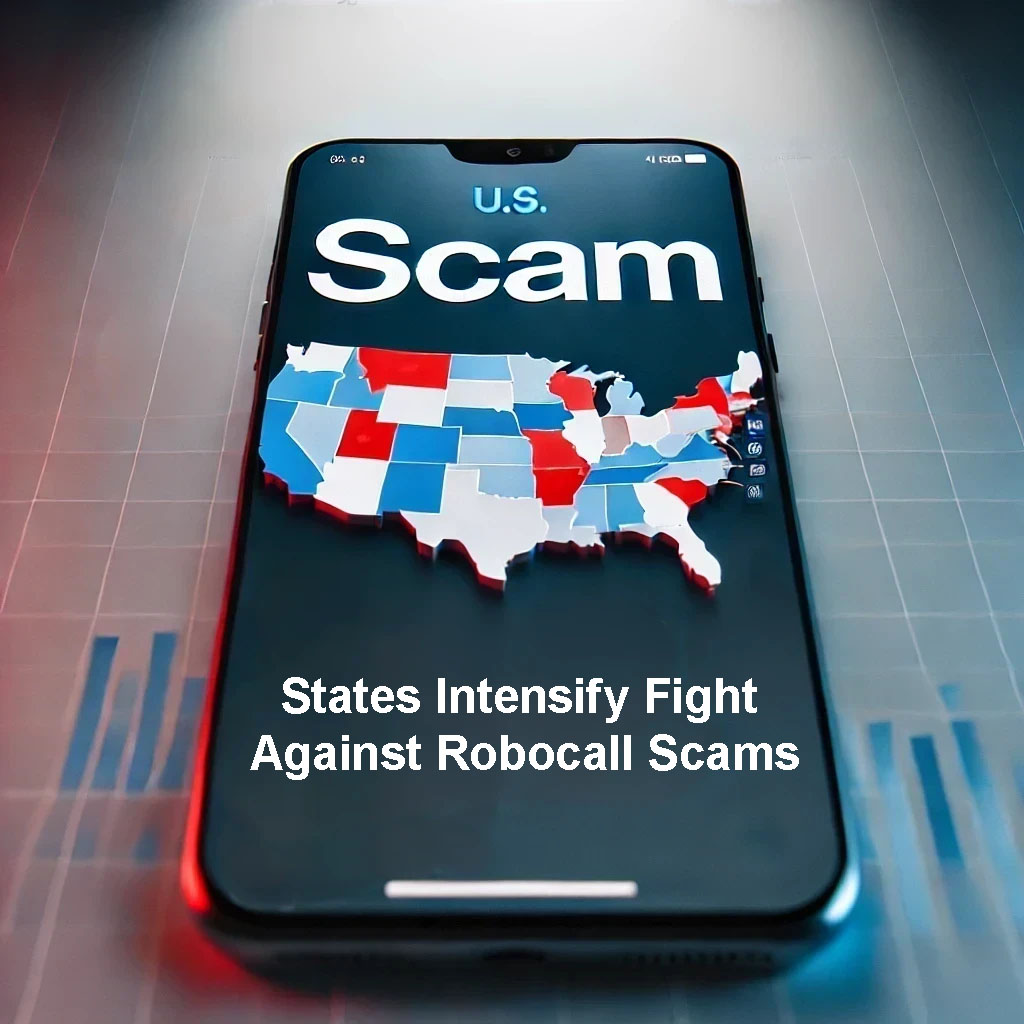
States Intensify Fight Against Robocall Scams
Multi-State Efforts Target Scam Enablers to Protect Consumers
 Robocalls have become a relentless nuisance for Americans, bombarding them with unwanted and often fraudulent messages. Scammers are increasingly masquerading as trusted institutions companies and organizations to deceive individuals into divulging personal information or making unwarranted payments. This surge in illegal robocalls not only disrupts daily life but also poses significant financial risks to consumers.
In a detailed report for the Detroit Free Press, Susan Tompor highlights the escalating threat these scams represent and discusses how multiple states are joining forces to combat them. By intensifying their fight against robocall scams, states aim to crack down on the enablers of these fraudulent activities and enhance consumer protection. States intensify fight against robocall scams to ensure the safety and security of their residents.
The Rising Menace of Impersonation Scams
 “Scammers are getting more sophisticated, making robocalls that convincingly impersonate banks, utilities, and even the IRS,” Tompor explains. These automated calls employ realistic voice modulation and scripted dialogues that closely mimic legitimate companies, making it difficult for individuals to discern their authenticity. Victims receive repeated calls that create a sense of urgency or fear, prompting impulsive actions. As a result, many people share sensitive personal information—such as Social Security numbers, bank account details, or credit card information—and may authorize fraudulent payments without realizing they’re being deceived.
Beyond financial loss, these scams lead to long-term emotional distress, including anxiety and a heightened sense of vulnerability. The prevalence of such deceptive practices has eroded trust in communications from legitimate entities, leaving individuals hesitant to engage with important calls and increasing their overall insecurity.
State-Led Initiatives to Combat Robocalls
 In response to the alarming increase in robocall scams, state governments across the nation are intensifying their efforts to dismantle the networks that enable these illegal activities. A cornerstone of these efforts is the establishment of the Anti-Robocall Multistate Litigation Task Force, which includes bipartisan attorneys general from every state and territory. This collaborative body is dedicated to coordinating actions aimed at identifying, investigating, and prosecuting the individuals and organizations responsible for the proliferation of illegal robocalls.
States are investing in advanced technologies and data analytics to trace the origins of malicious calls, enhance detection capabilities, and prevent future attacks. Educational campaigns are also being launched to inform the public about the dangers of robocalls and provide guidance on how to recognize and avoid falling victim to these scams. By leveraging a combination of legal action, technological innovation, and public education, state-led initiatives are adopting a multifaceted approach to significantly reduce the incidence of robocall-related fraud.
Legal Actions and Investigations
The Anti-Robocall Multistate Litigation Task Force has been pivotal in orchestrating comprehensive legal strategies to combat robocall scams. Through meticulous investigations and collaborative efforts, the Task Force has successfully identified and indicted several key figures and organizations involved in large-scale robocalling operations. Tompor highlights the effectiveness of these efforts, describing coordinated investigations which successfully indicted several major players involved in orchestrating large-scale robocalling schemes. These legal actions not only hold the perpetrators accountable but also serve as a deterrent to others considering similar illicit activities.
By working closely with federal agencies like the Federal Communications Commission (FCC) and the Federal Bureau of Investigation (FBI), the Task Force ensures a unified and robust approach to tackling the issue. Ongoing investigations aim to uncover the full extent of these criminal enterprises, leading to more arrests and prosecutions that weaken the infrastructure supporting illegal robocalls.
Protecting Consumers and Community Support
 Understanding the profound impact on victims, the Task Force and federal agencies emphasize empathy and support. “We cannot allow scammers to target families with fake ‘transaction alerts’ from credit card companies and money transfer services,” FCC Chairwoman Jessica Rosenworcel said in a statement.
By prioritizing consumer protection and offering avenues for reporting and recovering from scams, the Task Force seeks to restore trust and security for individuals targeted by these fraudulent calls.
Reporting Robocall Scams
If you receive a suspicious call or believe you’ve been targeted by a robocall scam, it’s crucial to report the incident to the appropriate authorities. The Task Force has set up dedicated channels for consumers to file complaints, aiding in the identification and prosecution of scammers. You can report robocall scams to agencies like the Federal Communications Commission (FCC) and the Federal Trade Commission (FTC) through their official websites or hotlines. By reporting these calls, you not only help protect yourself but also contribute to a collective effort to eliminate robocall scams and safeguard your community.
Future Directions and Continued Vigilance
Looking ahead, the Task Force plans to expand its initiatives to keep pace with the changing landscape of robocall scams. Given the strong bipartisan agreement on the need to fight robocalls, state attorneys general are set to increase their efforts in investigating and taking action against businesses that violate telecommunications laws. This united stance highlights the seriousness with which robocalls are viewed as a threat to consumer privacy, financial security, and trust in legitimate communications.
The fight against robocall scams remains a persistent and evolving challenge, but the collaborative efforts of states through the Task Force provide significant hope for consumers. By coordinating actions and sharing resources, states are effectively targeting the facilitators behind these illegal operations. These initiatives not only protect consumers from financial losses and privacy breaches but also help restore trust in communications from reputable institutions. Through sustained and strategic efforts, the Task Force is playing an important role in safeguarding the public from the widespread impacts of robocalls, ensuring a safer communication environment for everyone.
Disclosure: This article is for informational purposes only and is not intended as legal advice. For more insights and updates on consumer protection and the fight against robocalls, stay tuned to our blog.
Led by attorneys J. Andrew Meyer and Michael D. Finn with over 75 years of combined legal experience. The Finn Law Group is national consumer protection firm that specializes in Timeshare Law and other areas of consumer protection. If you have a question about your rights as a timeshare owner, please contact for a free consultation either in office or by phone. Call 855-FINN-LAW or email us at info@finnlawgroup.com | Follow us on Twitter X.