Hidden Resort Fees Still Plague Hawaii Travelers
 When travelers dream of Hawaii, they picture turquoise waters, soft sand, and swaying palms. What they don’t picture are the surprise charges waiting at check-in. For years, resort fees—sometimes hidden until the last step of booking—have been one of the biggest complaints from visitors.
In her SF Gate piece, Christine Hitt reminds readers that the fight isn’t over. Even with new rules, “resort fees are still among the most frustrating charges for travelers”.
What Are Resort Fees, Really?
 On paper, resort fees are supposed to cover extras like Wi-Fi, pool access, or even bottled water. In Hawaii, these charges can run anywhere from $25 to $60 per night—sometimes more. The catch? Guests often don’t have a real choice in whether they want these services.
Many ask the obvious question: If Wi-Fi is included, why isn’t it just part of the room rate? Lauren Wolfe, an attorney with Travelers United, doesn’t mince words: “When they tell you that this fee pays for services, it’s a total and complete lie.”
This skepticism points to the bigger issue—resort fees often feel like a shell game. Resorts make the base rate look cheaper to lure you in, then add the “real cost” later.
A New FTC Rule Promises Transparency
In 2025, the Federal Trade Commission introduced a rule meant to shine light on these hidden costs. The regulation requires all mandatory fees—including resort fees—to appear in the price you see at booking.
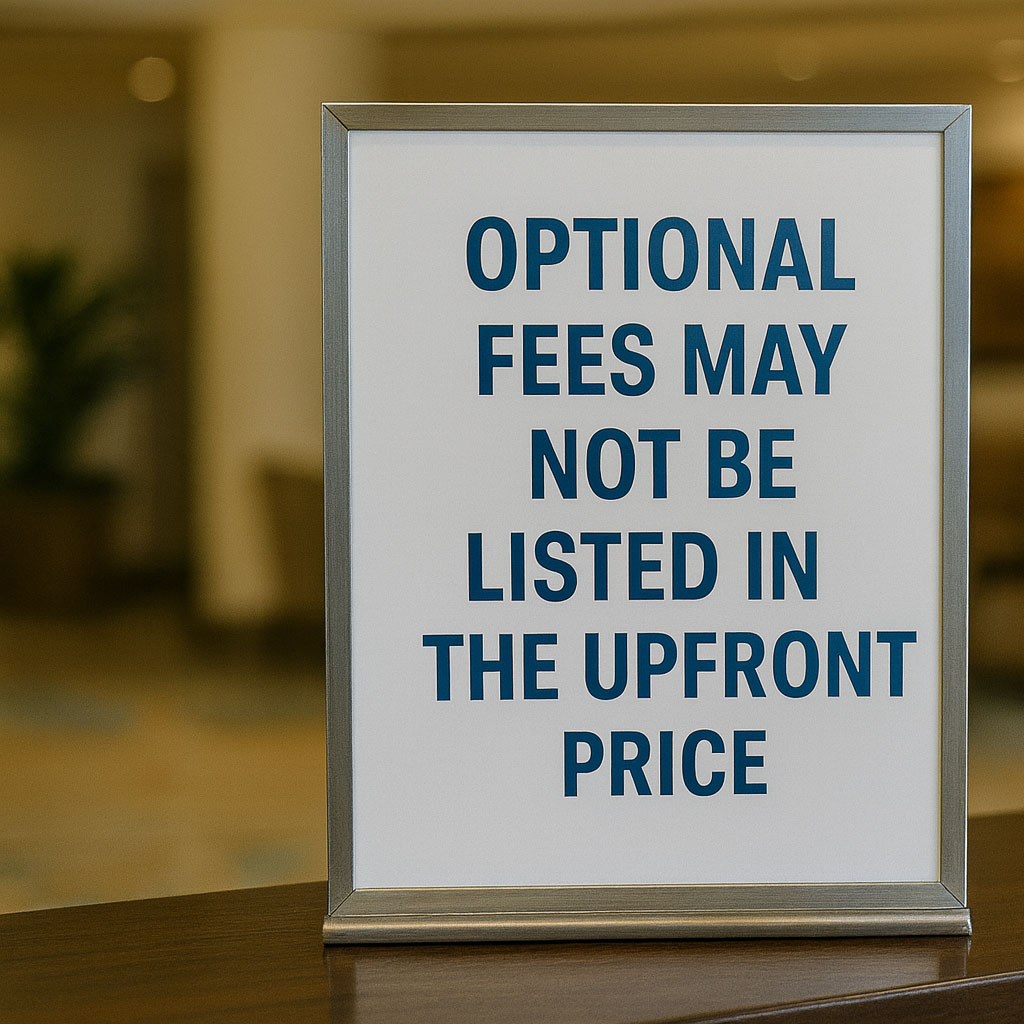
This is a step forward. Travelers comparing hotels online can now see the “all-in” price, not just the artificially low room rate. But there’s a catch: not every fee is covered. Optional costs, like parking or certain amenities, may still pop up as an unpleasant surprise when you arrive.
As Christine Hitt notes, “optional fees may not be listed in the upfront price”.
Why Travelers Still Feel Misled
The frustration runs deeper than transparency. Even if a resort fee is disclosed up front, guests still question whether these charges are fair. Jo Wattle, a travel adviser, explained to SF Gate: “They loathe them. Customers would rather pay all up front.”
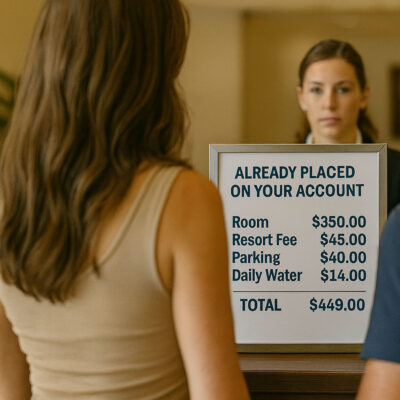
It feels less like paying for amenities and more like being told you have to buy something you don’t want. Imagine paying for parking when you don’t have a car, or for “daily water” when you’re already buying your own.
There’s also confusion when hotels and booking platforms split costs between the initial price and later add-ons. This leaves guests wondering what they’re truly paying for—and whether hotels are counting on that confusion to boost revenue.
The Ongoing Debate: Optional vs. Mandatory Fees
Here’s the breakdown:
- Mandatory fees must be included in the advertised price under the FTC rule. These cover resort fees, service fees, or other costs you cannot refuse.
- Optional fees—things you might choose, like valet parking, upgraded Wi-Fi, or late check-out—do not have to be shown upfront.
But in Hawaii, the line isn’t always so clear. Some hotels charge “mandatory” parking fees, even if a guest didn’t bring a car. Others tack on fees for amenities most people assume are included in the room price.
This raises a bigger ethical question: are these fees about covering costs—or just about squeezing more money from visitors?
Pressure from Congress and Consumer Advocates
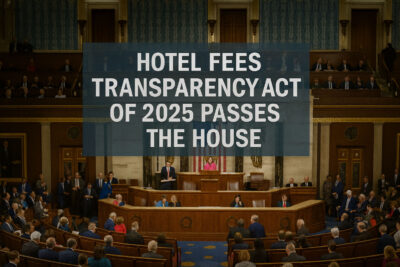 The movement against resort fees has gained political attention. The Hotel Fees Transparency Act of 2025 passed the House and is awaiting Senate approval. If signed into law, it would make full disclosure mandatory across the entire hotel industry.
Consumer advocates like Wolfe argue this is long overdue. Without stricter enforcement, she says, the system remains stacked against travelers. And in a place like Hawaii—where tourism drives the economy—the push for fairness carries even more weight.
What You Can Do to Protect Yourself
Until the law fully catches up, travelers still need to stay vigilant. Here are a few ways to avoid surprises:
- Always check the “all-in” price before booking, and make sure it reflects mandatory fees.
- Read the fine print, especially the terms and conditions section.
- Call the hotel directly to ask about fees that may not be listed online.
- Look for hotels without resort fees: properties like Disney’s Aulani and the Surfjack Hotel & Swim Club in Waikiki have eliminated them altogether.
- File a complaint with the FTC or your state attorney general if you believe a fee was hidden or misleading.
Final Thoughts
Resort fees in Hawaii shine a light on a much bigger problem in the travel industry: the ongoing tug-of-war between transparency and trust. Guests aren’t worried about the financial pressures of running a resort—those are the business’s responsibilities, not theirs. What travelers do care about is whether the price they’re shown is the price they’ll actually pay.
When resort fees feel like sleight of hand, the frustration goes beyond the wallet. It’s not just about losing an extra $30 or $50 a night—it’s about the sense of being misled. That erosion of trust lingers long after checkout, shaping whether visitors recommend a property, return again, or choose to spend their money elsewhere.
For Hawaii to keep its reputation as a world-class destination, the natural beauty must remain the highlight of every trip—not the unexpected fees that leave guests questioning whether paradise came with strings attached.
Disclosure: This article is intended for informational purposes only and should not be considered legal advice. Images included are used for illustrative and artistic purposes only and do not depict actual individuals, events, or specific locations.
____________________________________
Led by timeshare attorneys J. Andrew Meyer and Michael D. Finn with over 75 years of combined legal experience. The Finn Law Group is a national consumer protection firm that specializes in Timeshare Law. If you feel you need the services of a timeshare attorney, contact our law firm today at 855-FINN-LAW. Want to learn more on timeshare related issues? Follow us on X formally Twitter.