New Law Targets Hidden Hotel Fees
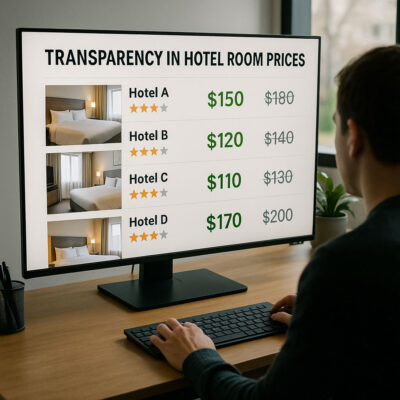 Hidden fees have long been the bane of travelers, turning what looked like a budget-friendly hotel or vacation rental into a surprisingly costly experience at checkout. Now, with the recent passage of the Hotel Fees Transparency Act of 2025 in the U.S. House of Representatives, that may finally be changing.
This legislation marks a major step forward for consumer protection—but it also raises new questions about how it might impact adjacent industries like timeshare accommodations, which often operate in a regulatory gray area.
The new law targets hidden hotel fees and may now be expanded.
What the Hotel Fees Transparency Act Actually Does
The legislation, introduced by Representatives Young Kim (R-Calif.) and Kathy Castor (D-Fla.), aims to eliminate “junk fees” by requiring all lodging providers—including hotels, motels, and short-term rentals like those on Airbnb and VRBO—to disclose the full price of a stay upfront. That means no more discovering surprise “resort fees,” “cleaning fees,” or “urban destination charges” after you’ve already committed to booking.
Under the act:
- All mandatory fees must be included in the advertised price, whether you’re booking online or over the phone.
- Deceptive pricing tactics become illegal, aligning with efforts by the Federal Trade Commission to curb hidden fees in various sectors, from ticketing to broadband.
- Enforcement mechanisms would give regulators authority to go after violators.
The bill passed with bipartisan support and now moves to the Senate for further consideration.
Why This Matters for Consumers
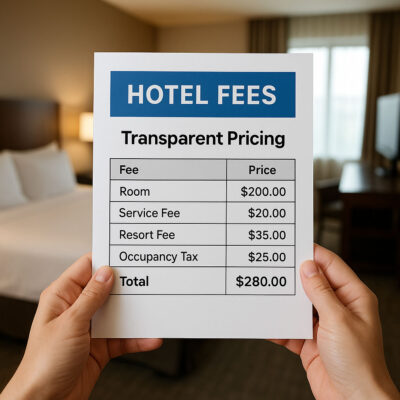 The impact on consumers is potentially huge. According to the Federal Trade Commission, Americans spend billions annually on hidden fees. In travel, this has disproportionately affected families, retirees, and budget-conscious individuals who plan trips based on up-front pricing—only to find out that the total cost is significantly higher due to undisclosed charges.
These fees not only stretch household budgets, but they also erode trust in the hospitality industry. By forcing pricing transparency, this bill empowers consumers to make fully informed decisions and reduces the chances of being misled by seemingly low nightly rates that don’t reflect reality.
Industry Impact: Hotels, Short-Term Rentals, and Timeshares
National trade associations, including the American Hotel and Lodging Association and the Travel Technology Association—which represents hotel booking platforms such as Kayak and Booking.com—welcomed the House’s passage of the bill. In a statement, the trade group’s president emphasized the importance of consistency for travelers:
“This bill and its Senate companion … set one national standard on what constitutes a ‘total service price’ and how it must be displayed, giving consumers clarity regardless of where or how they book lodging accommodations,” the statement read.
Timeshare and Resorts
 But the real shakeup may come in the timeshare and resort sectors, which have often enjoyed carve-outs in federal legislation. Traditionally regulated under different frameworks, timeshare operators—particularly those offering nightly and weekly rentals through vacation ownership clubs or through third parties—now find themselves squarely in the crosshairs of this transparency push.
As business models blur, with large developers offering both traditional timeshare products and short-term rentals to the public, the legal distinction becomes harder to defend. Many travelers today don’t even realize they’re booking into a timeshare resort when using third-party platforms like Expedia or Booking.com.
That crossover means the lines between timeshare and hotel are no longer regulatory escape routes. The FTC and lawmakers are likely to pursue inclusion of such hybrid accommodations in any enforcement strategies, especially when the same properties are advertised on mainstream travel sites.
Potential Legal Ramifications for Timeshare Companies
The legal framework for timeshares is complicated, often governed by state laws and offering limited federal oversight. However, as timeshare developers increasingly market short-term stays to non-owners, they may soon face the same advertising and pricing standards as traditional hotels.
Legal experts suggest this could create ripple effects:
- Pressure to disclose resort and booking fees upfront—not just to potential renters, but to timeshare owners themselves.
- Scrutiny of mandatory annual dues and assessment charges, particularly when not clearly explained in sales presentations.
- Increased legal exposure if marketing practices are found to be deceptive under the new federal standards.
In short, what was once considered a membership or ownership model is now operating with commercial rental characteristics—and may no longer be exempt from consumer protection rules.
A Broader Push for Transparency in Travel
 This legislation is part of a wider federal campaign to eliminate hidden fees across industries. The FTC has made tackling junk fees a priority, citing the need for economic fairness and consumer empowerment.
From hotel bookings and concert tickets to airline luggage charges and broadband service, transparency is now under the regulatory lens like never before. Consumers have had enough—and Washington is finally listening.
Looking Ahead
As the bill heads to the Senate, the travel industry is on notice. If the Hotel Fees Transparency Act becomes law, it won’t just affect hotels and short-term rentals—it could redefine the expectations and obligations of the entire lodging ecosystem, including timeshares.
For travelers, that means a potential end to the game of gotcha pricing. For the lodging industries, it means an era of accountability and transparency is on the horizon.
Disclosure: This article is intended for informational purposes only and should not be considered legal advice. Images included are used for illustrative and artistic purposes only and do not depict actual individuals, events, or specific locations.
____________________________________
Led by timeshare attorneys J. Andrew Meyer and Michael D. Finn with over 75 years of combined legal experience. The Finn Law Group is a national consumer protection firm that specializes in Timeshare Law. If you feel you need the services of a timeshare attorney, contact our law firm today at 855-FINN-LAW. Want to learn more on timeshare related issues? Follow us on X.