
Why Timeshare Scammers Target Your Text Messages
Text messaging has become a fundamental way to communicate. We use it for everything—from personal conversations to receiving important updates. However, this very convenience has made text messages a prime target for scammers, particularly those in the timeshare industry. Timeshare scammers are increasingly relying on text messaging to reach unsuspecting individuals because it’s a direct, fast, and often unfiltered form of communication.
According to the Better Business Bureau (BBB), scammers use deceptive tactics to lure people into their fraudulent schemes, posing a growing threat to timeshare owners and consumers alike. The BBB has provided valuable guidance on how to spot and avoid these text scams, but the risks remain significant.
Why Timeshare Scammers Use Text Messages
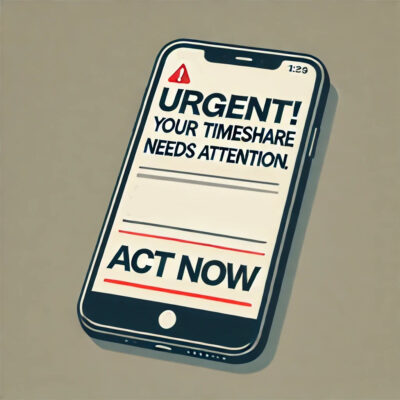 Timeshare text scams are not new, but their methods are evolving. Text messages offer scammers an easy way to send their pitches en masse, directly targeting timeshare owners or those who have expressed interest in vacation properties. Scammers prefer text messaging because it’s more likely to be read quickly compared to emails or traditional mail, giving them a greater chance to manipulate their targets into making rushed decisions.
A typical timeshare scam might involve receiving a text that claims your timeshare is in danger of foreclosure or that you’ve won a free vacation through your timeshare membership.
These texts often include urgent language, pressuring you to respond immediately or risk losing an opportunity. By the time you realize the message is fraudulent, it might be too late—personal information may have been stolen, or you might have been tricked into making payments for services that don’t exist.
The Role of Urgency in Timeshare Text Scams
 One of the main tools timeshare scammers use in text messages is urgency. Scammers craft messages that make you feel as though you must act right away. For instance, you may receive a text that says, “Act now to avoid losing your timeshare week,” or “Your timeshare maintenance fees are overdue—click here to pay.”
These urgent requests are designed to make you panic, forcing you to act without thinking critically about whether the message is legitimate. By creating a sense of panic, timeshare scammers exploit the fear of losing a valuable vacation asset. In reality, no legitimate timeshare company would demand payment or personal information through a text message. However, timeshare scammers thrive on the chaos caused by these urgent, deceptive texts, trapping victims who are too stressed or busy to investigate further.
Spotting Fake Timeshare Text Messages
 Fortunately, there are several ways to spot a fake timeshare-related text message before you fall victim to the scam. The BBB outlines several warning signs to be aware of:
- Unsolicited Offers: If you receive a random message about your timeshare that you didn’t ask for, proceed with caution. Timeshare scammers frequently send texts claiming you’ve won a prize or are eligible for a special deal—offers that seem too good to be true usually are.
- Suspicious Links: Be wary of links in timeshare texts. Scammers often include a hyperlink that redirects to a fake website, designed to look like your timeshare management company or another official entity. These websites aim to steal your personal details, such as your credit card number or timeshare login information.
- Unknown Numbers: Many timeshare scammers use phone numbers that look like they’re from your area code or your timeshare resort’s location. These numbers are often “spoofed,” meaning they appear legitimate but are actually fraudulent. If you don’t recognize the number, it’s best not to respond.
- Threatening Language: Scammers rely on fear. If the message contains threatening language, such as claims that your timeshare will be seized or sold if you don’t act quickly, it’s likely a scam. Legitimate timeshare companies do not use threatening language in their communications.
Protecting Yourself from Timeshare Text Scams
 Protecting yourself from timeshare text scams requires vigilance and a proactive approach. First, never click on any links or provide personal information through a text message unless you’re absolutely sure of the sender’s legitimacy. Instead of responding directly to the message, contact your timeshare company using a verified phone number or email address. Timeshare companies usually prefer formal communication methods and are unlikely to send important information via text message.
Secondly, block and report any suspicious numbers to your mobile carrier. Most carriers have spam protection features that allow you to block these messages from reaching you again. Additionally, reporting the number helps protect others from falling victim to similar timeshare scams. Many carriers also provide apps or services that can identify and filter out potential spam messages, giving you an extra layer of protection.
The Future of Timeshare Text Scams
As technology evolves, so do the methods used by timeshare scammers. The rise of automated text messages, also known as “smishing,” allows scammers to send out thousands of fraudulent texts in a matter of seconds. These messages often appear personalized, increasing the chances that recipients will fall for the scam. The convenience of timeshare transactions—whether it’s paying maintenance fees, booking vacations, or transferring ownership—makes text messaging a tempting tool for fraudsters.
With timeshare owners increasingly relying on digital platforms to manage their investments, scammers are sure to continue refining their tactics. This means that timeshare-related text scams are likely to become more frequent and harder to detect. However, staying informed about the latest timeshare scams and knowing what to look out for will go a long way in keeping you safe from these digital predators.
Final Thoughts
Timeshare scammers are continually adapting their methods to exploit modern communication tools, and text messaging is now at the forefront of their strategies. By preying on urgency, creating fake offers, and using deceptive language, these scammers manipulate their targets into giving away sensitive information or making unnecessary payments. As a timeshare owner, it’s crucial to be cautious when dealing with unsolicited texts and to familiarize yourself with the common red flags of a scam.
The next time you receive a suspicious message about your timeshare, take a step back, verify its legitimacy, and avoid falling victim to fraud. Scammers may favor text messages, but with the right knowledge and precautions, you can protect your timeshare and your personal information. Remember, timeshare scammers target your text messages because they know how effective this tool can be. Stay vigilant and take control of your digital security.
Disclosure: This article is for information purposes only and is not intended as legal advice.
___________________________
Led by Timeshare Attorneys J. Andrew Meyer and Michael D. Finn with over 75 years of combined legal experience. The Finn Law Group is a national consumer protection firm that specializes in Timeshare Law. If you feel you need the services of an attorney, please contact our office for a free consultation today. Call us at 727-214-0700 or email us at info@finnlawgroup.com | Follow us on Twitter X.