
Why Timeshare Resale Listings Rarely Close
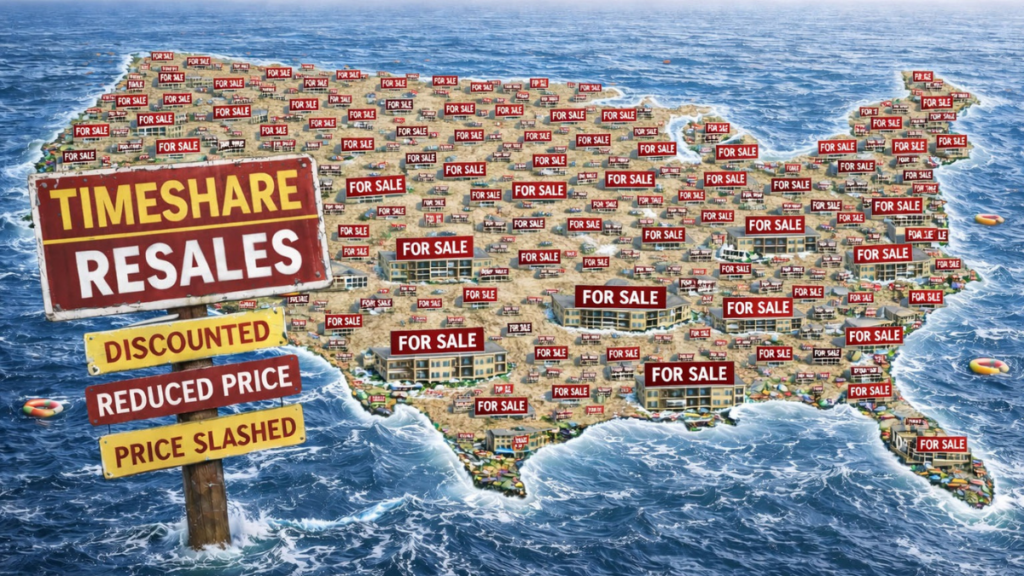
For thousands of timeshare owners, the idea of selling their vacation ownership seems like the most logical way to move on. Owners often assume that if the property once had value when it was purchased from a developer, it should also have value in the resale market. Unfortunately, the reality is very different. The secondary market for timeshares is extremely weak, and listings frequently sit for years without a buyer.
Understanding why these listings rarely close requires looking at several important factors. Licensed and unlicensed resale platforms, the structure of buyer demand, listing fees, and the developer’s contractual rights all contribute to the problem. When these issues combine, the result is a resale market where successful transactions are the exception rather than the rule.
The Gap Between Developer Pricing and Real Market Value
Timeshares are typically sold at a significant markup by developers. Sales presentations often highlight lifestyle benefits, resort amenities, and future vacation possibilities. Pricing in these environments reflects marketing costs, commissions, and the overall experience of the presentation.
The resale market operates under entirely different conditions. Buyers in this market are typically well informed and price sensitive. Internet marketplaces allow potential buyers to compare thousands of listings at once. This transparency drives prices down dramatically.
A timeshare that originally sold for $25,000 or more can often be found on resale sites for only a few hundred dollars, and in some cases for one dollar or less. The gap between developer pricing and resale value shocks many owners who attempt to sell. When a large number of owners try to exit their ownership at the same time, supply overwhelms demand. The imbalance pushes prices even lower and creates a marketplace where listings remain unsold.
Licensed Resale Brokers and Their Limitations
Some owners attempt to sell through licensed real estate brokers who specialize in timeshare transactions. These brokers operate under state licensing laws and typically charge a commission when a transaction closes.
While this structure provides more consumer protection than unregulated listing services, licensed brokers still face a major obstacle. Demand in the resale market is extremely limited, and most only handle a few select timeshare companies.
Buyers interested in timeshares often prefer purchasing directly from developers because developers brought them to the property, offer financing, loyalty programs, and incentives such as reward points or travel perks. These incentives are usually not available through resale purchases. Without those incentives, timeshare resale listings must compete almost entirely on price. Even when the price is very low, closing a sale can still be difficult.
Unlicensed Listing Platforms and Upfront Fees
A large portion of resale listings appear on online advertising platforms that are not licensed real estate brokerages. These companies typically charge upfront listing or advertising fees to timeshare owners.
The fee structure can range from several hundred dollars to several thousand dollars depending on the package offered. Owners are often promised that their property will receive widespread marketing exposure to potential buyers. These services frequently function as advertising boards rather than active sales platforms. Listings are posted online, but the company rarely participates in negotiating or closing a transaction.
The resale listing may remain visible for months or years without generating any real buyer interest. Because the company has already collected the listing fee, it has little financial incentive to ensure that a sale actually occurs. This secondary market structure creates a significant risk for consumers. Owners who are already frustrated with their timeshare may spend additional money on listing services that provide little meaningful result.
Buyer Demand in the Secondary Market
Demand for timeshare resales is extremely limited due to a number of factors. Vacation travelers today have many alternatives, including short term rentals, hotel reward programs, and flexible travel subscriptions.
Potential buyers often hesitate to purchase a timeshare because ownership involves long term financial obligations. Timeshare maintenance fees can increase over time, and these fees must be paid every year whether the owner uses the property or not.
Buyers researching the timeshare resale market frequently discover listings priced at extremely low levels. The abundance of low-cost listings signals that supply is far greater than demand. Even buyers who initially express interest may decide to wait for a better deal or choose a different vacation option entirely.
Developer Right of First Refusal
Another factor that complicates timeshare resales is the developer’s contractual right of first refusal. Many timeshare agreements allow the developer to step into a resale transaction and purchase the ownership at the same price negotiated between the buyer and seller.
This clause was designed to give developers some control over the secondary market. In practice, it often discourages buyers from pursuing resale purchases. A buyer may spend time negotiating a deal with a seller only to learn that the developer has exercised its right to purchase the ownership instead. When this happens, the buyer must start the search process again. Because of this uncertainty, some buyers simply avoid resale transactions altogether.
Transfer Complications and Closing Costs
Even when a buyer and seller agree on a price, the transaction still requires a proper transfer process. Timeshare transfers often involve resort approval, estoppel certificates, and specialized closing procedures that include an affidavit of fees and obligations. This often takes up to 6 months or more.
Closing costs can sometimes exceed the actual price of the timeshare being sold. Title transfers, resort fees, and administrative costs all add to the expense. If the total cost of acquiring the timeshare is greater than the perceived value of ownership, buyers frequently walk away before the transaction is completed.
Why Timeshare Resale Listings Remain Active for Years
A typical timeshare resale platform may display thousands of active listings. Many of these listings remain posted for years without closing.
Several forces keep these listings active. Owners are reluctant to accept extremely low offers, and buyers are hesitant to take on long term maintenance obligations. Developers continue selling new inventory, which further weakens demand for resale ownership. The result is a market where listings accumulate faster than they close.
The Risk of Timeshare Resale Scams
The weak resale market has also created opportunities for scams. Fraudulent companies frequently target timeshare owners who are desperate to exit their ownership.
These scammers may promise a guaranteed buyer or claim that a corporate client is ready to purchase the timeshare immediately. Upfront fees are often required for advertising, closing costs, or international tax payments. After the payment is made, the promised sale never occurs. Consumer protection agencies have repeatedly warned that timeshare resale scams remain one of the most common forms of fraud affecting vacation ownership.
Why Timeshare Cancellation May be the Safer Path
For owners who purchased a timeshare under misleading or high-pressure circumstances, legal cancellation may be a more reliable solution than attempting a resale. Resale markets depend on finding a willing buyer. In a marketplace where demand is extremely limited, waiting for that buyer can take years and may never happen.
Legal review of the purchase documents and the circumstances surrounding the sale may reveal potential options for cancellation or relief. Timeshare ownership is a major financial commitment, and the decision to purchase is often made during an emotional sales presentation. When the promises made during the sale do not match the reality of ownership, owners deserve to understand their legal options.
A Final Word for Timeshare Owners
Timeshare owners considering a resale should approach the process with caution and realistic expectations. The secondary market is saturated with listings; buyer demand is extremely limited, and upfront fee services rarely produce successful sales.
Understanding these conditions can help owners avoid additional financial loss while exploring safer and more effective options. Consulting with professionals who understand the legal structure of timeshare contracts may provide a clearer path forward and help owners determine whether cancellation or other legal remedies are available.
_____________________________________________________________________
Disclosure: This article is for general informational purposes only and does not constitute legal advice. You should consult a qualified timeshare attorney for advice specific to your situation.
Led by timeshare attorneys J. Andrew Meyer and Michael D. Finn with over 75 years of combined legal experience. The Finn Law Group is a national consumer protection firm that specializes in Timeshare Law. If you feel you need the services of a timeshare attorney, contact our law firm today at 855-FINN-LAW. Want to learn more about timeshare related issues? Follow us on X, formally Twitter.