Why Timeshare Maintenance Fees Never Go Down
For a large number of vacation owners, the annual timeshare maintenance fee becomes the most frustrating part of ownership. What may have started as a manageable yearly cost often grows into a long-term financial obligation that seems to rise every year. Owners frequently ask the same question: Why do timeshare maintenance fees never go down?
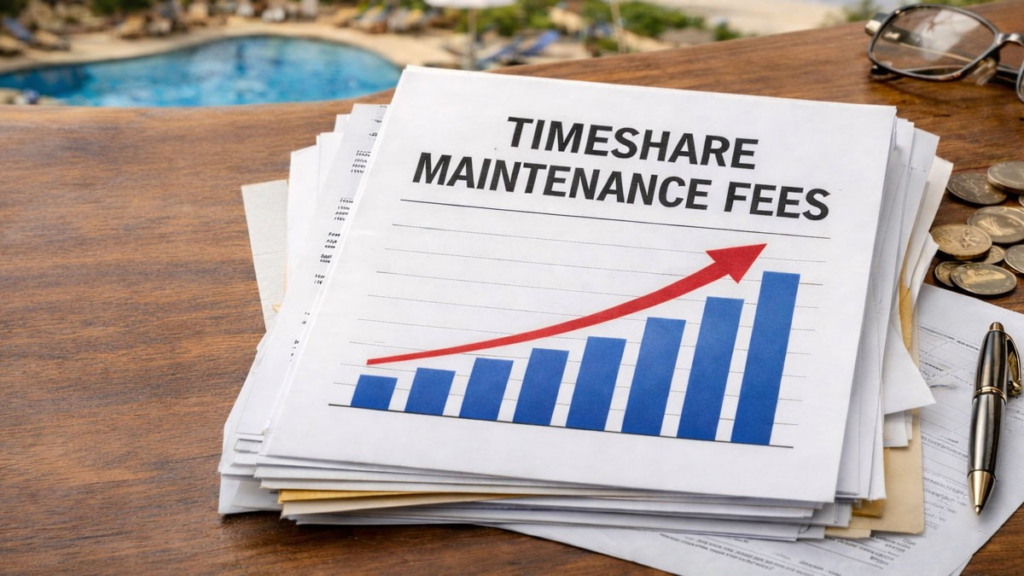
The answer lies in how these fees are structured. From the beginning, most timeshare programs are designed so that maintenance fees move in only one direction. Upward. The structure of these fees, combined with inflation adjustments, special assessments, and expanding operating costs, creates a system where the total cost of ownership tends to increase over time.
Understanding how these costs are built into the system can help explain why fee reductions are rare and why long-term ownership often becomes more expensive than expected.
Breaking Down the Timeshare Maintenance Fee
Maintenance fees are intended to cover the ongoing cost of operating and maintaining the resort property. Each owner pays a share of the expenses based on their ownership interest in the property or membership in the vacation club.
Typical maintenance fee components include:
- Property maintenance and repairs
- Landscaping and groundskeeping
- Housekeeping and cleaning services
- Utilities such as water, electricity, and internet
- Property insurance
- Property taxes
- Management and administrative fees
- Reserve funds for future renovations
These expenses are pooled together and divided among the owners. While this structure may sound straightforward, the underlying costs rarely remain stable. Hotels, condominiums, and timeshare resort properties require constant upkeep, and those costs tend to rise over time.
Inflation Clauses and Built in Annual Increases
Timeshare governing documents usually include provisions that allow maintenance fees to increase each year to keep pace with inflation and rising operating costs.
Inflation affects nearly every category of resort operations. Labor costs increase. Utility rates climb. Insurance premiums rise, particularly in coastal states where storms and climate risk influence pricing. Construction materials and contractor services also become more expensive over time.
To address these pressures, most associations approve annual budget increases that are passed directly to the owners through higher maintenance fees. These increases may seem modest at first, but the effect compounds year after year. Over the course of decades, the cumulative impact can significantly alter the long-term economics of ownership.
Special Assessments and Unexpected Costs
In addition to regular annual increases, timeshare owners may also face special assessments. These are additional charges imposed when a resort needs funds beyond what is available in the regular maintenance budget.
Special assessments often occur when major repairs or renovations are required. Examples include:
- Roof replacement
- Structural repairs
- Hurricane or storm damage restoration
- Major plumbing or electrical upgrades
- Renovations required to remain competitive with newer resorts
If reserve funds are insufficient to cover these expenses, the association can vote to assess owners for additional contributions. These assessments may range from a few hundred dollars to several thousand dollars per owner.
For owners who have held their timeshare for years, these unexpected charges can arrive at a time when their usage of the property has already declined.
Management Fees and Corporate Structures
Another factor that contributes to rising maintenance fees is the role of resort management companies. Most timeshare properties are operated by large hospitality companies or affiliated management firms. These companies typically charge management fees for overseeing daily operations, staffing, accounting, marketing, and long-term planning for the property. These costs are included in the annual operating budget and are passed through to the owners.
In some vacation club structures, additional layers of corporate administration are also involved. Reservation systems, exchange networks, and membership services all add operational costs that must be funded through owner fees. Over time, these administrative expenses can represent a significant portion of the total maintenance fee.
The Reality of Long-Term Cost Escalation
Timeshare ownership is often marketed as a way to lock in vacation accommodations at today’s prices. In reality, the cost structure often works in the opposite direction. The underlying expenses associated with resort ownership tend to rise over time. Property taxes increase. Insurance premiums climb. Labor shortages raise wages for hospitality workers. Aging properties require more frequent repairs and upgrades.
Each of these factors contributes to the upward pressure on maintenance fees. Because the system is structured around covering operating costs rather than producing profit from nightly bookings, there are limited opportunities for fees to decline. Once a resort establishes a certain operating budget, reductions are uncommon.
The result is a cost structure that gradually compounds over the life of ownership.
Why Fees Are Structurally Upward Only
At the core of the issue is the financial design of timeshare ownership. Owners collectively bear the responsibility for maintaining the property and covering the cost of operations. As those costs increase, the responsibility is passed directly to the owners.
Unlike a hotel, which can raise room rates to offset rising expenses, a timeshare resort cannot generate additional revenue from owners who already hold a fixed ownership interest. The primary tool available to cover higher costs is an increase in maintenance fees. This structure creates what industry observers often describe as an upward only cost model.
Final Thoughts
Timeshare maintenance fees rarely decrease because the financial structure of ownership is built around rising operating costs and shared responsibility among owners. Inflation adjustments, reserve funding needs, management fees, and occasional special assessments all contribute to a system where costs compound over time.
Understanding how these fees are structured can help owners better evaluate the long-term financial obligations associated with timeshare ownership. What begins as a manageable annual fee can evolve into a significant recurring expense over the life of the contract.
_____________________________________________________________________
Disclosure: This article is for general informational purposes only and does not constitute legal advice. You should consult a qualified timeshare attorney for advice specific to your situation.
Led by timeshare attorneys J. Andrew Meyer and Michael D. Finn with over 75 years of combined legal experience. The Finn Law Group is a national consumer protection firm that specializes in Timeshare Law. If you feel you need the services of a timeshare attorney, contact our law firm today at 855-FINN-LAW. Want to learn more about timeshare related issues? Follow us on X, formally Twitter.