
Why Free Cruises Can Cost You Plenty
 Winning a free cruise vacation sounds like a dream come true—until the fine print turns it into a wallet-scary reality. A recent story highlighted on UNILAD tells of someone who “won” a five-night cruise, only to discover hidden costs lurking beneath the surface—visa fees, port charges, gratuities, blackout dates, and strict non-transferability among them. What looked like a windfall quickly turned into a tangled web of obligations and expenses. In this article, we discus why free cruises can cost you plenty.
How People Are “Selected” for These Offers
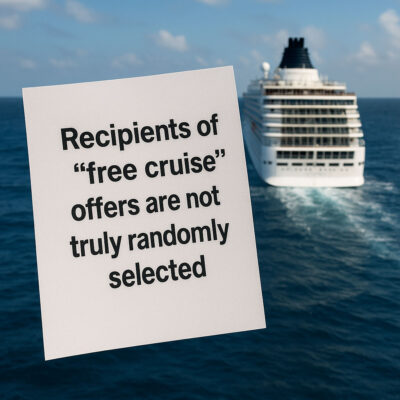 Many recipients of “free cruise” offers are not truly randomly selected. Instead, lists of potential “winners” are often built from marketing databases, loyalty program memberships, timeshare owner lists, contest entries, or even prior consumer purchases. Some promotions target people who have already shown interest in travel or leisure activities, making them more likely to respond.
In some cases, consumers receive letters, emails, or even phone calls congratulating them on being “chosen” out of thousands—when in reality, nearly everyone contacted receives the same message. The psychological effect of being “selected” encourages quick acceptance before a person has time to examine the terms.
The Real Cost of “Free” Cruises
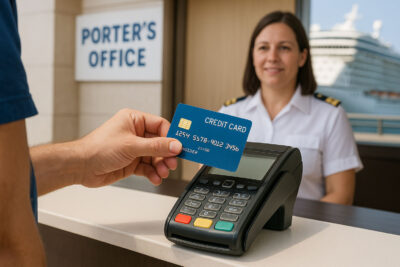
 Even when the cruise fare is waived, the associated costs can be steep. Visa requirements for certain ports, non-refundable port taxes, gratuities that can easily total hundreds of dollars, and mandatory service fees are common. Some companies tack on fuel surcharges or “administrative fees” that must be paid before booking is confirmed. And if airfare isn’t included, passengers must cover potentially expensive flights to and from the port city—sometimes in destinations with limited or costly flight options. By the time all expenses are calculated, your “free” trip could rival the cost of booking a modest cruise outright.
Hidden Commitments and Sales Pitches
Certain free cruise offers come with a catch beyond money—your time and attention. Recipients may be required to attend lengthy, high-pressure timeshare presentations or “exclusive travel club” sales pitches as a condition of boarding. Some promoters disguise these as “informational meetings” but use them to upsell costly vacation memberships. Once aboard, passengers may also be pushed toward onboard gambling packages, high-priced excursions, or exclusive dining upgrades. While none of these are technically mandatory, the constant free gift upsell can make declining feel uncomfortable or even awkward in a group setting.
Strict Limitations and Unyielding Terms
The fine print often reveals restrictions that make redeeming the free cruise offer challenging. Blackout dates may eliminate popular travel times, while limited cabin availability forces travelers into less desirable accommodations. The prize may also be non-transferable, meaning you can’t gift it to someone else or sell it if you can’t go. In some cases, the redemption process is deliberately complicated—requiring multiple forms, phone calls, or deadlines that, if missed, void the prize entirely. These limitations can turn a seemingly exciting opportunity into a stressful and inflexible commitment.
Low Transparency and Red Flags
 Vague language like “some fees may apply” or “subject to availability” is often a red flag that important information is missing. If an offer avoids providing a clear total of all expected expenses, it’s usually because those costs are significant. Online forums, such as Reddit threads responding to cases like this cruise story, are filled with comments from past recipients who felt misled or overwhelmed by the post-win process. Transparency is not a strength of these promotions—and that’s by design.
Why This Matters to Consumers
Cruise promotions often play on our desire for luxury and escape, especially when they come with an air of exclusivity. But when reality sets in, travelers find themselves paying for a vacation they didn’t truly choose, bound by terms they never fully understood. The emotional disappointment—on top of unexpected expenses—can make the experience feel like a bait-and-switch. Being informed beforehand can help consumers avoid both financial loss and the frustration of a trip that doesn’t match its promise.
Potential Legal Consequences
If a “free cruise” promotion misleads consumers, there may be legal risks for the promoters, including:
- False Advertising Claims – Failure to clearly state all significant costs, or using misleading language about “no obligation” travel, can be deemed deceptive marketing.
- Unfair or Hidden Terms – Burying key conditions in very small print may violate state and federal laws on unfair trade practices.
- Failure to Disclose Material Costs – Many jurisdictions require that all fees be disclosed upfront, and omitting them could trigger enforcement actions or lawsuits.
- Breach of Contract – If the company changes terms after acceptance or fails to deliver the promised cruise, consumers may have contractual remedies.
Final Thoughts on Free Cruises
Consumer protection issues like “free cruise” promotions are nothing new—but they have a way of resurfacing in fresh packaging. What was old is new again, and marketing teams know how to re-pitch familiar hooks to make them feel exciting and exclusive. The truth is, these offers often rely on the same playbook: lure with the promise of luxury, then load on the conditions and costs.
Bottom line: If it sounds too good to be true, it probably is. Free cruise offers are rarely free, and the “winner” selection process is often more about marketing strategy than genuine chance. Protect yourself by reading every term, requesting a full list of costs in writing, and, if the offer seems misleading, consult legal counsel before committing.
Disclosure: This article is intended for informational purposes only and should not be considered legal advice. Images included are used for illustrative and artistic purposes only and do not depict actual individuals, events, or specific locations.
____________________________________
Led by timeshare attorneys J. Andrew Meyer and Michael D. Finn with over 75 years of combined legal experience. The Finn Law Group is a national consumer protection firm that specializes in Timeshare Law. If you feel you need the services of a timeshare attorney, contact our law firm today at 855-FINN-LAW. Want to learn more on timeshare related issues? Follow us on X formally Twitter.