Who’s Really Calling Timeshare Owners?
Why Owners Can’t Trust Caller ID Anymore
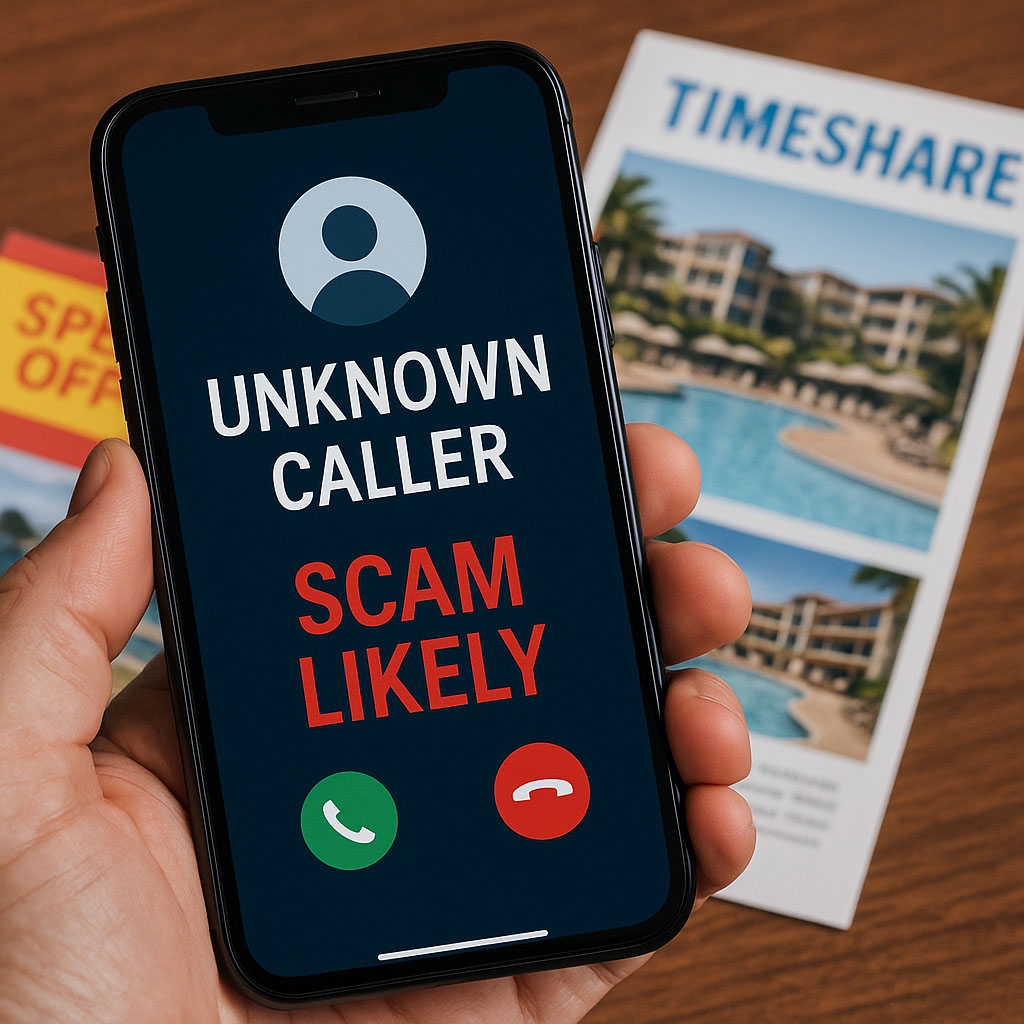
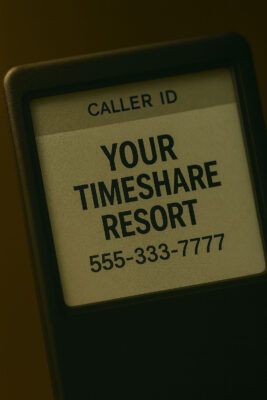 If you own a timeshare, you already know your phone can ring at almost any hour with “special offers,” “resale opportunities,” or “exit programs” that promise the world. But what if that call, even one showing the name of your resort or a familiar area code isn’t really from who it claims to be?
Caller ID, once considered a trusted feature, has become one of the easiest tools for scammers to manipulate. It’s called spoofing, and it allows fraudsters to display a legitimate business name or number while hiding their true identity. For timeshare owners, this means calls may appear to come from your developer, exchange company, or even a law firm — when in reality, the voice on the other end could be part of a coordinated scam.
The Federal Communications Commission (FCC) has taken notice of the explosion in spoofed and overseas calls, many of which target older consumers and property owners. The agency has now voted to move forward with a Further Notice of Proposed Rulemaking (FNPRM) that could reshape how caller ID and robocall protections work across the United States.
The FCC’s Push for Greater Transparency
The FCC’s proposal aims to expose the true origin of phone calls. Under the new rules, callers would need to provide a verifiable name and legitimate point of origin, not just a phone number. This would make it far harder for overseas telemarketers and scammers to disguise themselves as U.S.-based businesses. Another change under consideration would require calls that originate outside the country to be clearly labeled as such. This is especially important for timeshare owners, since many fraudulent resale or cancellation operations are run from call centers in other countries that pretend to have U.S. offices. By tightening these identification requirements, the FCC hopes to cut through the confusion that allows these scams to thrive.
The proposal also takes aim at older, outdated telemarketing rules that were written decades ago. By modernizing these standards, the FCC is attempting to create a system that reflects how real consumers and real scammers operate today.
What It Means for Timeshare Owners
For timeshare owners, these changes could bring real relief. Seeing a verified name or labeled call origin would help you distinguish between legitimate contact from your developer or exchange company and deceptive pitches from impostors. That added transparency makes it easier to know when to pick up and when to let it go to voicemail.
The FCC’s plan also focuses on how consent and opt-outs are managed — a crucial update for those tired of “follow-up” calls after asking to be removed from marketing lists. The goal is to give you more control over who can contact you, how often, and under what circumstances.
But while these reforms hold promise, they won’t stop the current flood of calls overnight. For now, the safest move remains the same: be skeptical of every unsolicited offer related to timeshare, even those that sound personalized or urgent. Scammers often use emotional pressure or limited-time “incentives” to push you into sharing personal or financial information.
If you receive a call claiming to be from your resort, hang up and call the official number listed on your timeshare ownership documents or the developer’s website before taking any action.
Why Change Won’t Happen Overnight
 The FCC’s proposal is still in the rulemaking stage, and the public comment period is ongoing. Even if adopted, the changes will take time to implement, as smaller phone carriers update their systems and authentication tools. That delay gives scammers more time to keep dialing, and they will.
Until these protections are in full effect, continue using the call screening tools available from your carrier or smartphone provider. Many phones now display warnings such as “Spam Risk” or “Suspected Fraud.” Trust those alerts. And remember: legitimate businesses will never pressure you for immediate payment, demand wire transfers, or ask for access to your timeshare documents over the phone.
When to Hire an Attorney
If you have been misled by a company claiming to sell, transfer, or exit your timeshare, or if you continue to receive robocalls after asking for them to stop, you may have legal options. The Telephone Consumer Protection Act (TCPA) protects consumers from unwanted and deceptive calls, including prerecorded messages and spam texts.
An attorney experienced in consumer protection and timeshare law can help you determine whether your rights have been violated. In some cases, you may be entitled to compensation for each unlawful call or deceptive solicitation. A qualified attorney can also assist you in filing complaints with the FCC or the Federal Trade Commission (FTC), both of which investigate and penalize companies that break these rules.
Final Thoughts
The FCC’s renewed focus on caller transparency is a welcome step for timeshare owners who have grown weary of misleading phone calls and relentless offers. But even as these protections advance, vigilance remains your best defense.
If you are unsure who is calling, let it go to voicemail. Do not rely on caller ID alone, and never make financial decisions based on a phone conversation you did not initiate. When in doubt, contact your resort, exchange company, or a consumer protection attorney directly through official channels.
In today’s world of spoofed numbers and deceptive pitches, the most powerful tool you have is skepticism. Knowing who is really calling you, or recognizing when you do not, can make the difference between protecting your investment and falling into a costly trap.
Legal Disclosure
This article is intended for general informational purposes only and should not be considered legal advice. Every situation involving unwanted calls, telemarketing practices, or potential TCPA violations is unique. Timeshare owners who believe their rights have been violated should seek personalized guidance from a qualified attorney experienced in consumer protection and timeshare law before pursuing any legal action.
Led by timeshare attorneys J. Andrew Meyer and Michael D. Finn, who bring more than 75 years of combined legal experience, Finn Law Group is a national consumer protection firm dedicated exclusively to Timeshare Law. If you or someone you love has been impacted by a timeshare scam or senior-targeted fraud, reach out to us at 855-FINN-LAW for experienced legal guidance.
To stay informed on consumer protection issues and ongoing timeshare-related developments, follow us on X (formerly Twitter) for updates and insights.