When Your Timeshare Association Files Bankruptcy
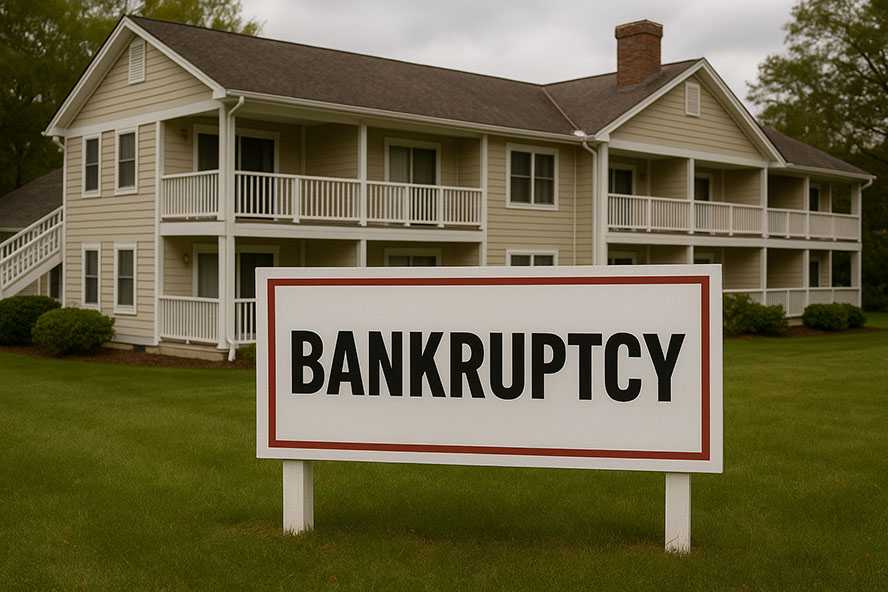
 When your timeshare association files for bankruptcy, it’s rarely good news and for many owners, it’s a wake-up call that something behind the scenes has gone seriously wrong, whether through poor management, unpaid obligations, or a deeper imbalance between revenue and expenses.
As an owner, you count on your association to manage the property responsibly by maintaining the resort, and safeguarding the long-term value of the timeshare. So when that same organization ends up in bankruptcy court, it naturally raises hard questions. What happened to the money? What does this mean for your ownership? And can your resort even recover?
A recent filing by the Orlando International Resort Club Condominium Association, Inc. (OIRC) in Orlando, Florida, illustrates how unsettling this situation can be for owners. The association — tied to a Wyndham-managed resort filed for Chapter 11 bankruptcy in October 2025, listing between $1 million and $10 million in assets, and surprisingly small liabilities of $0 to $50,000. On paper, that may sound manageable. But to owners, it’s anything but reassuring.
What the Orlando Filing Suggests
Unlike a developer bankruptcy where the company that sold the timeshares collapses this situation involves the association itself, the same group responsible for collecting maintenance fees and managing the resort, meaning the organization funded by owners is now restructuring under court supervision.
If something similar occurred at your resort it could signal serious internal financial problems caused by unpaid vendor contracts, disputes over assessments, or an ongoing imbalance between what is collected and what is spent.
“Business as Usual” May Be an Illusion
While Chapter 11 bankruptcy is technically a reorganization and not a shutdown, owners shouldn’t assume everything will continue as normal. Timeshare resorts often keep up appearances during bankruptcy proceedings, but behind the scenes, cost-cutting measures may already be in motion.
Staffing levels can change. Services can decline. And decisions about what gets fixed, cleaned, or delayed may shift from your board and management company to the court-appointed trustee or judge overseeing the case. Your resort may remain open, but that doesn’t mean it’s operating as before. Bankruptcy protection buys time, not stability.
Maintenance Fees Don’t Go Away Even When Confidence Does
 Here’s the frustrating truth: when your association files for bankruptcy, your financial obligations as an owner don’t stop. You’ll still be billed for maintenance fees and any special assessments needed to keep operations running. In fact, owners sometimes see additional charges or “emergency assessments” introduced under the banner of reorganization. That can make already strained budgets feel impossible. If your resort is in this position, it’s critical to track every notice, payment, and statement. Ask where your money is going. If the answers sound vague or delayed, that’s usually a sign to start asking tougher questions and possibly seek legal advice.
Property Value and Resale Prospects Take a Hit
There’s no easy way to say it: once a timeshare association enters bankruptcy, resale value often plummets. Buyers tend to avoid properties when your timeshare owner association files bankruptcy. Timeshare owners looking to exit quickly may find few willing takers.
At the same time, service quality tends to suffer. Deferred maintenance, reduced staff, or scaled-back amenities can make even well-loved resorts feel neglected. Unfortunately, timeshare owners who’ve paid faithfully for years often bear the brunt of that decline.
Oversight Changes but Transparency Often Declines
 During bankruptcy, your resort association’s board still exists, but its power is limited. Major decisions such as budgets, contracts, and large expenditures now pass through the bankruptcy court. While that might sound like added accountability, in reality it often creates more distance between owners and decision-makers.
Notices can become less clear. Communication slows. Meetings may continue, but the real decisions are happening elsewhere. Timeshare owners deserve transparency, yet bankruptcy often puts that transparency even further out of reach.
If You’re Thinking About Timeshare Exit, Proceed Carefully
Bankruptcy doesn’t make it impossible to sell, transfer, or surrender your timeshare but it does make it harder. With uncertainty surrounding the resort’s stability, buyer confidence drops. Even deed-back or exit programs may stall until the court approves broader financial moves.
If you’re considering a timeshare exit, do not act impulsively. Seek qualified legal advice first. Timeshare contracts contain complex obligations that can follow owners well beyond a bankruptcy proceeding. Acting without guidance can lead to unintended liability or loss of rights.
What Concerned Timeshare Owners Can Do
If your resort or timeshare association appears to be in financial trouble, there are steps you can take to protect yourself:
- Stay alert – Don’t assume “everything’s fine” just because management says so.
- Read every notice – Watch for fee increases, court updates, or changes in ownership rights.
- Review your governing documents – Look for insolvency or foreclosure clauses.
- Keep detailed records – Save every bill, notice, and email.
- Seek professional guidance – Timeshare law is specialized. A qualified attorney can explain your rights and help you act strategically, not reactively.
Final Thoughts
When your timeshare association files for bankruptcy, it’s more than a financial technicality, it’s a red flag. It means the organization managing your resort has reached a point where it can no longer sustain itself without court protection. While reorganization may eventually stabilize the resort, owners should not assume recovery is guaranteed. Bankruptcy is a symptom of deeper structural problems.
At Finn Law Group, we’ve seen firsthand how these situations unfold. Our team of timeshare attorneys represent owners across the country who find themselves caught in the fallout of association mismanagement, debt restructuring, and developer disputes. If your resort is facing bankruptcy or showing signs of it our firm can help you understand your rights, your risks, and your options moving forward.
This article is provided for informational purposes only and does not constitute legal advice. Each timeshare ownership situation is unique. Owners should seek individualized guidance from a licensed attorney familiar with timeshare law before taking any action related to transfer, exit or cancellations.
Led by timeshare attorneys J. Andrew Meyer and Michael D. Finn, who bring more than 75 years of combined legal experience, Finn Law Group is a national consumer protection firm dedicated exclusively to Timeshare Law. Reach out to us at 855-FINN-LAW for experienced legal guidance.
To stay informed on consumer protection issues and ongoing timeshare-related developments, follow us on X (formerly Twitter) for updates and insights.