What Happens If a Timeshare Resort Goes Bankrupt?
Many timeshare owners assume that if a resort fails financially, their obligations will simply disappear. Unfortunately, that is rarely how the law works.
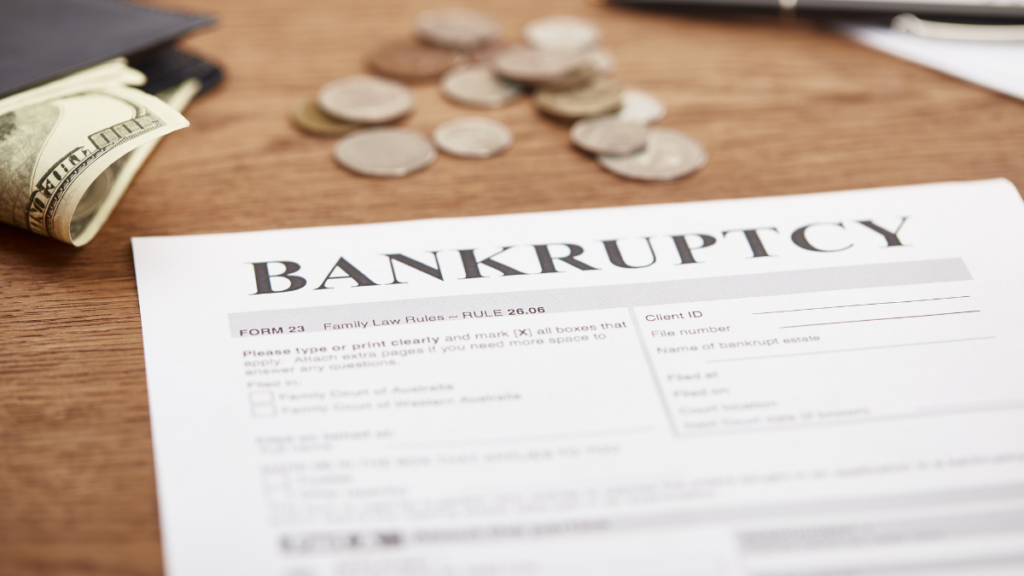
When a timeshare resort or its governing association enters bankruptcy, the process can be complicated. Ownership interests usually continue to exist, and maintenance fee obligations often survive the bankruptcy proceeding. Understanding how these situations unfold can help timeshare owners approach them with caution and realistic expectations.
A Real Example: The Atlantic City Skyline Tower
A recent example by WOBM News helps illustrate how these situations develop.
The Skyline Tower Resort Vacation Condominium Association in Atlantic City filed for Chapter 11 bankruptcy protection in 2025 after facing major financial pressures and millions of dollars in projected repairs. The 32-story timeshare building contained hundreds of residential units and thousands of fractional ownership interests held by timeshare owners.
The association sought bankruptcy protection so it could pursue a court-supervised sale of the entire property and dissolve the timeshare plan. In total, the resort faced roughly $34 million in projected capital needs while also dealing with millions of dollars in delinquent maintenance fees owed by owners.
The situation highlights a common issue in the timeshare industry. When aging resorts face rising repair costs and declining owner participation, the financial burden can become overwhelming.
Understanding Bankruptcy in the Timeshare Context
Bankruptcy is a legal process that allows a financially troubled entity to reorganize its debts or liquidate assets under court supervision.
In the timeshare world, the entity that files bankruptcy is often not the individual owners, but rather the:
- Developer
- Resort management company
- Homeowners’ association or vacation ownership association
Each of these entities can play a different role in operating the resort. As a result, bankruptcy may affect the resort’s operations without automatically eliminating the underlying ownership structure.
Chapter 11 Reorganization
Many resorts file for Chapter 11 bankruptcy, which allows the organization to continue operating while restructuring its financial obligations.
During Chapter 11 proceedings, the bankruptcy court may approve actions such as:
- Selling the resort property
- Restructuring debts owed to lenders
- Renegotiating vendor or management contracts
- Reorganizing the ownership structure
In the Skyline Tower situation, the owner’s association pursued Chapter 11 so the property could be sold through the bankruptcy process. This type of court-supervised sale is often conducted under Section 363 of the Bankruptcy Code, which allows assets to be sold while the bankruptcy case is ongoing.
Chapter 7 Liquidation
In some cases, the entity involved may file for Chapter 7 bankruptcy, which results in liquidation. Assets are sold, and the proceeds are distributed to creditors.
Even in liquidation cases, the timeshare ownership interests themselves do not necessarily disappear immediately. The underlying property and ownership structure must still be addressed through the bankruptcy process.
Why Maintenance Fees Often Survive Bankruptcy
One of the most surprising aspects of timeshare bankruptcy is that timeshare maintenance fee obligations often continue.
This happens because maintenance fees are tied to the ownership interest itself. They are designed to fund the ongoing operation and preservation of the resort.
Typical expenses funded by maintenance fees include:
- Building maintenance and repairs
- Insurance coverage
- Property taxes
- Utilities and staffing
- Housekeeping services
- Long-term renovation reserves
Even if a developer fails or a resort closes operations, the physical property still exists. The building must still be maintained, insured, and secured.
In distressed properties, unpaid fees from some owners can increase pressure on the remaining owners, forcing associations to pursue collections or impose special assessments. The Skyline Tower bankruptcy illustrates this problem.
Ownership Interests Usually Remain in Place
Timeshare ownership typically exists in one of two forms:
- Deeded property interests
- Contractual vacation membership rights
In either structure, the owner’s obligations are governed by the purchase contract and the resort’s governing documents.
These documents usually include:
- The declaration or master deed
- The bylaws of the owner’s association
- The purchase agreement or membership contract
- Resort rules and operating policies
Unless those documents are formally changed through legal proceedings or restructuring, the obligations contained in them generally remain in place. This means that even during bankruptcy, owners may still be responsible for their contractual obligations.
Possible Outcomes in a Timeshare Bankruptcy
Every bankruptcy case is different, but several outcomes are common.
Sale of the Property
A bankruptcy court may approve the sale of the resort to a new developer or investor. The new owner may convert the property to another use such as:
- Condominiums
- Apartments
- Hotels
- Mixed-use developments
Conversion of Ownership
In some situations, timeshare owners may be offered alternatives such as:
- Points within another resort system
- Compensation from the sale proceeds
- Transfer into a different vacation ownership program
For example, owners in good standing at Skyline Tower were expected to have options tied to the eventual sale of the property or conversion within the Wyndham network.
Dissolution of the Timeshare Plan
In more complex cases, the bankruptcy process may be used to dissolve the entire timeshare structure. However, this requires court approval and often involves significant legal proceedings.
Why Timeshare Owners Should Proceed Carefully
Financial distress at a resort can create uncertainty for timeshare owners. While bankruptcy may eventually lead to restructuring or sale of the property, it does not automatically erase financial obligations.
Owners should be cautious about assumptions and carefully review communications from the resort or association. Stopping payment of maintenance fees without understanding the legal consequences can expose owners to:
- Collection actions
- Interest and penalties
- Liens connected to the ownership interest
Because each resort is governed by its own documents and legal structure, the outcome of a bankruptcy case can vary widely.
When Legal Guidance May Be Helpful
If a timeshare resort enters bankruptcy or announces plans to close, owners may benefit from understanding their rights and obligations under the governing documents.
An experienced attorney can help evaluate the situation, review the resort’s legal structure, and explain possible options. Timeshare bankruptcies rarely produce quick or simple answers. As situations like the Skyline Tower case show, financial distress at a resort can affect thousands of owners and involve complex legal proceedings. For owners facing uncertainty, careful review and informed decision making are often the most important first steps.
_____________________________________________________________________
Disclosure: This article is for general informational purposes only and does not constitute legal advice. You should consult a qualified timeshare attorney for advice specific to your situation.
Led by timeshare attorneys J. Andrew Meyer and Michael D. Finn with over 75 years of combined legal experience. The Finn Law Group is a national consumer protection firm that specializes in Timeshare Law. If you feel you need the services of a timeshare attorney, contact our law firm today at 855-FINN-LAW. Want to learn more about timeshare related issues? Follow us on X, formally Twitter.