What Companies Know About You Today
 In today’s digital age, our lives are intricately connected to the technology we use. From the smartphones in our pockets to the smart TVs in our living rooms, we are constantly generating data—data that companies are eagerly collecting, analyzing, and using to understand us better than we may understand ourselves.
While this data-driven world can bring convenience and personalized experiences, it also raises significant concerns about privacy and the potential misuse of our personal information. This article dives into what companies know about you today.
The Power of Data in Consumer Behavior
 Companies have long been interested in understanding consumer behavior, but the advent of sophisticated data collection technologies has taken this to a new level. Today, every click, search, and purchase we make online is tracked and stored, creating detailed profiles of our habits, preferences, and even our emotional states. This data is then used to tailor advertisements, recommend products, and predict future behavior.
One of the most powerful tools in this process is the use of algorithms that can analyze vast amounts of data in real-time. These algorithms can identify patterns and correlations that might not be immediately obvious to human observers. For example, they can predict when someone is likely to make a purchase based on their browsing history or determine which type of advertisement is most likely to resonate with a particular individual.
The Good: Personalized Experiences and Convenience
On the positive side, this deep understanding of consumer behavior allows companies to provide highly personalized experiences. For instance, streaming services like Netflix and Spotify use data to recommend shows, movies, and music that align with our tastes. Online retailers can suggest products that we are likely to be interested in, making shopping more convenient and enjoyable.
Moreover, data-driven insights can help companies improve their products and services. By analyzing customer feedback and usage patterns, businesses can identify areas for improvement and innovate to meet consumer needs more effectively.
The Bad: Privacy Concerns and Manipulation
 However, the same data that drives personalization can also be used in ways that compromise our privacy. The sheer amount of information that companies collect can be unsettling, particularly when it includes sensitive details such as our location, health data, or financial information. This data is often stored in massive databases that are vulnerable to breaches, putting our personal information at risk of being exposed to hackers or sold to third parties without our consent.
Additionally, there is growing concern about the manipulative potential of data-driven advertising. Companies can use psychological profiling to target individuals with ads that play on their fears, desires, or insecurities. This can lead to impulsive purchases, or in more extreme cases, influence behavior in ways that may not be in the consumer’s best interest.
The Ugly: The Dark Side of Data Merging and Profiling
 When data from different sources is merged to create comprehensive consumer profiles, the potential for abuse increases exponentially. For example, combining data from social media, online shopping habits, and television viewing patterns can give companies a disturbingly accurate picture of our lives. This level of insight allows businesses to target individuals with an unprecedented level of precision, but it also opens the door to invasive and potentially harmful practices.
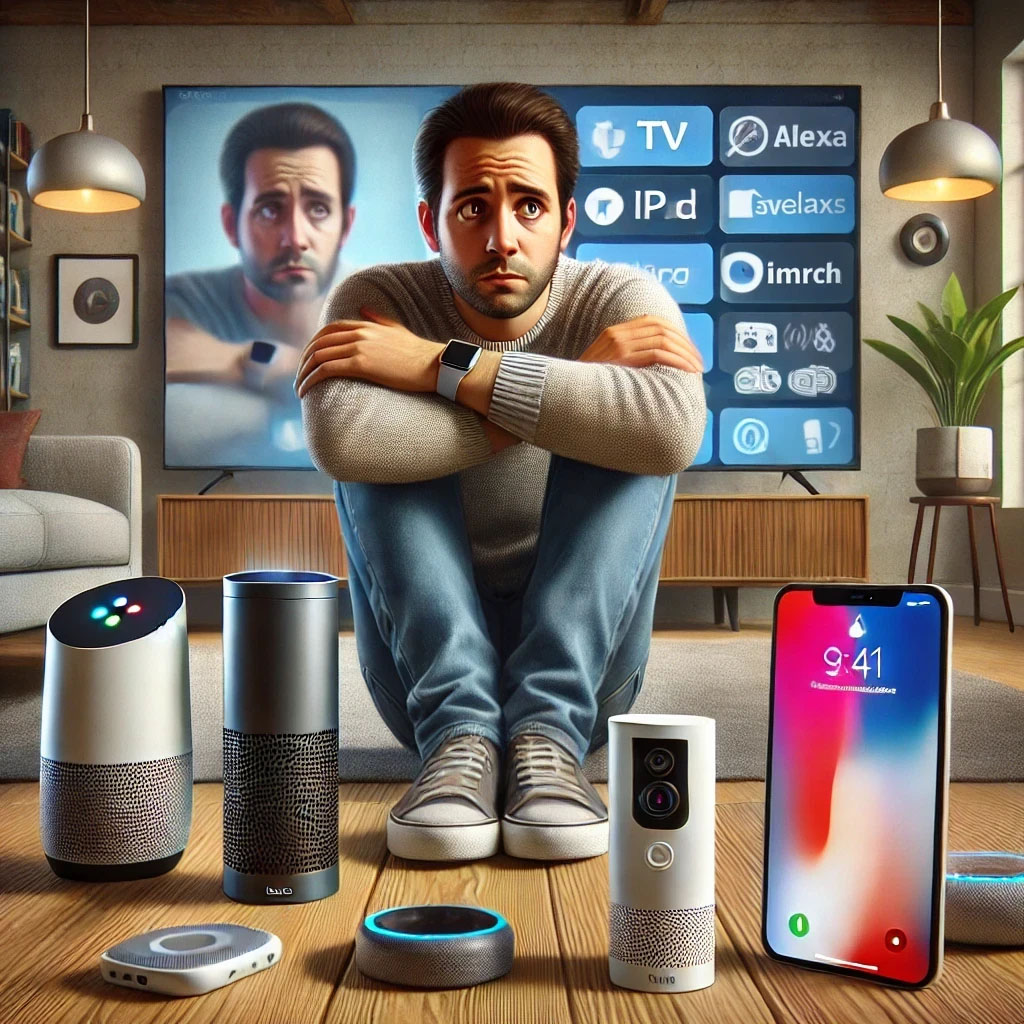
A recent report by Ars Technica highlighted the growing concern over the TV industry’s obsession with ad tracking. Smart TVs and streaming devices are now collecting vast amounts of data on viewers, including what they watch, how long they watch it, and even how they respond to certain content. This data is then sold to advertisers, who use it to deliver highly targeted ads directly into our living rooms. The result is a living room that increasingly resembles a storefront, where every show we watch is an opportunity for companies to sell us something .
Consumer Protection Concerns
Consumer protection advocates are increasingly worried about the implications of this data-driven world. When companies have access to such detailed information about us, the power dynamics shift in their favor, leaving consumers vulnerable to exploitation. There is a growing call for stricter regulations on data collection and usage, as well as greater transparency from companies about how they use our data.
In response to these concerns, some governments and organizations are pushing for stronger data privacy laws. The European Union’s General Data Protection Regulation (GDPR) is one example of an effort to give consumers more control over their personal data. In the United States, there is ongoing debate about the need for similar legislation to protect consumers from the risks associated with data-driven marketing and profiling.
Legal Actions and Future Safeguards
As awareness of these issues grows, so too does the possibility of class action litigation aimed at holding companies accountable for data breaches, misuse of personal information, or unethical profiling practices. These lawsuits can serve as powerful tools for protecting consumers, offering a means of compensation for those harmed by corporate negligence or misconduct. Moreover, they can drive meaningful change within industries, forcing companies to revise their data collection and usage policies.
Class action suits often lead to settlements that include not just financial compensation for victims, but also mandates for corrective actions. These might include requiring companies to improve their cybersecurity measures, limit the scope of data they collect, or enhance their transparency regarding how consumer data is used. In some cases, these legal battles prompt broader regulatory reforms, pushing for stronger safeguards to prevent future abuses.
Ultimately, the goal of such litigation is twofold: to provide justice and compensation to those who have been wronged, and to ensure that the same issues do not arise again. By holding companies accountable through the legal system, consumer protection advocates aim to establish a safer, more transparent environment where personal data is handled with the care and respect it deserves. As these efforts continue, they will play a crucial role in shaping the future of data privacy and consumer rights in the digital age.
Looking Forward: Ensuring Balance and Accountability
As we navigate the complexities of a data-driven world, it’s crucial to balance the benefits of personalized experiences with the need to protect consumer privacy. Companies have a responsibility to manage data with care and integrity, but when they fail, class action litigation becomes a necessary tool to hold them accountable.
By enforcing robust regulation and leveraging legal actions, we can ensure that consumer rights are protected and that companies are compelled to prioritize ethical data practices. This approach not only provides justice for those harmed but also drives meaningful change, helping to build a digital future where personalization and privacy coexist without compromise.
Disclosure: This article is for information purposes only and is not intended as legal advice.
____________________________
The Finn Law Group, headed by attorneys J. Andrew Meyer and Michael D. Finn, brings together over 75 years of collective legal experience, specializing in class action litigation. As a dedicated consumer protection firm, we represent clients throughout the United States. For more information about our services, please visit our Website and follow us on Twitter (X).