
Understanding Points-Based Timeshares
 Shared vacation ownership—often called a timeshare—comes in many forms, but one of the fastest-growing models sold today is the Right-to-Use (RTU) points-based system. On the surface, it sounds flexible: you don’t buy a physical property; instead, you purchase the right to stay at resort properties for a set number of years, booking through a points-based system.
This structure is positioned as a modern alternative to traditional fixed-week timeshares, promising choice and convenience. In reality, it also comes with a complex set of rules, recurring costs, and long-term limitations that can catch buyers off guard. If you’re considering vacation ownership through an RTU program, it’s worth knowing exactly what you’re getting into.
What is Right-to-Use Vacation Ownership?
With RTU vacation ownership, you’re not buying real estate—you’re purchasing a license or lease that grants you access to one or more resorts for a defined term, often 20 to 99 years.
Each year, you’re given a set number of points to spend within the developer’s network. More points generally mean more options for room size, season, and location—but how far those points actually take you can depend heavily on availability, demand, and the program’s own booking rules.
How Points-Based Timeshares Really Work
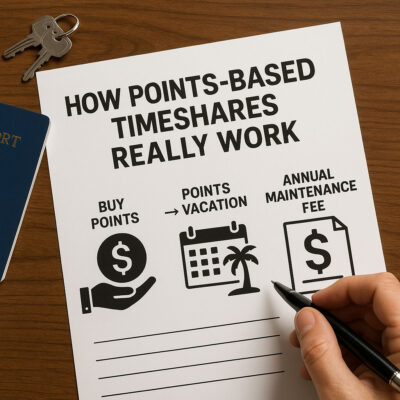 On paper, points-based RTU systems seem straightforward. In practice, there are details that can make them less than perfectly simple.
- Purchase Points – With a Big Upfront Cost
Your initial buy-in secures a set number of points per year. It’s marketed as “pre-paying for vacations,” but the upfront cost can be significant—especially if you finance it at interest rates much higher than traditional loans. - Pay Annual Fees – Whether You Travel or Not
Maintenance and membership fees are billed every year to keep the resorts running. These fees tend to rise over time, and you’ll owe them whether you use your points or let them expire. - Book with Flexibility – If You Can Find It
The ability to use points for various destinations, dates, and unit sizes is the big selling point—but the most desirable options can disappear quickly. “Flexibility” often means planning far ahead, being flexible on dates, or settling for less popular locations.
Some timeshare developer programs allow you to bank points, borrow from future years, or exchange them for travel outside the network. These extras can be helpful—though they’re often subject to restrictions, fees, and blackout dates that sales presentations may not emphasize.
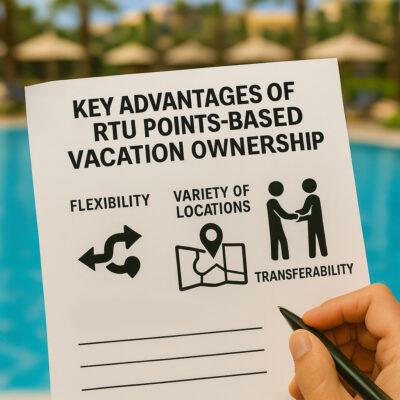 “Key Advantages” of RTU Points-Based Vacation Ownership
Flexibility Across Locations – In Theory
Timeshare marketing materials promise you can vacation in different top destinations and at different times each year. In reality, popular weeks and resorts may require booking well in advance—sometimes years—and even then, there’s no guarantee you’ll get what you want.
Access to Premium Resorts – When You Can Get Them
Yes, many RTU programs include properties in prime spots, but top-tier resorts can require more points than the average allotment. That might mean saving points for multiple years or paying extra to upgrade your booking.
No Property Ownership Headaches – But the Bills Keep Coming
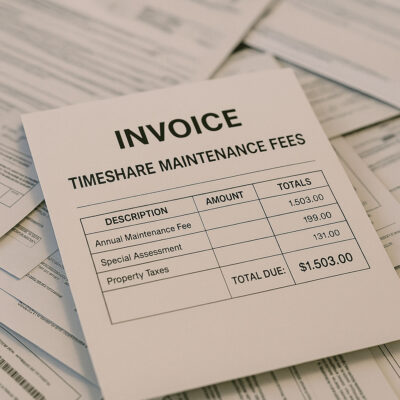 Without a deed, you avoid property taxes and title paperwork. However, ongoing fees—timeshare maintenance, membership, and sometimes “special assessments”—remain, and they’re not capped. You’re spared the real estate headaches, but not the financial commitment.
What to Consider Before Buying
Before signing an RTU contract, weigh these realities:
- Fee Increases – Timeshare maintenance fees are almost certain to rise over time.
- Booking Competition – High-demand dates can be booked solid well before you have a chance to reserve them.
- Resale Restrictions – RTU contracts often come with tighter resale limitations than deeded timeshares.
How RTU Differs from Deeded Timeshares
With deeded ownership, you hold a fractional interest in the timeshare property itself—recorded in public records—and can sell, rent, or pass it down.
With RTU, you own no real estate. You hold shared property rights for a limited term, and when that term ends, your rights expire. The property reverts entirely to the developer or resort owner.
Legal Protections for RTU Timeshare Buyers
- Rescission Period – All states that allow timeshares provide a short cancellation window (typically 3–10 days, varying by state). Use it if you have second thoughts.
- Full Disclosure Requirements – Sellers must disclose fees, booking rules, expiration dates, and restrictions. Always read your Public Offering Statement carefully.
Pay close attention to point usage rules, expiration policies, and the fine print around banking and borrowing points—these are often where the biggest surprises hide.
Is Right-to-Use Vacation Ownership Right for You?
If you travel often, can plan well in advance, and value the amenities of resort living, RTU points-based vacation ownership can work for you. But it’s not a one-size-fits-all solution.
Think hard about your long-term travel patterns, your tolerance for rising fees, and how flexible you can really be. The timeshare sales pitch may focus on dream vacations, but the reality is about contracts, costs, and calendars—and whether the math makes sense for your lifestyle.
Disclosure: This article is intended for informational purposes only and should not be considered legal advice. Images included are used for illustrative and artistic purposes only and do not depict actual individuals, events, or specific locations.
____________________________________
Led by timeshare attorneys J. Andrew Meyer and Michael D. Finn with over 75 years of combined legal experience. The Finn Law Group is a national consumer protection firm that specializes in Timeshare Law. If you feel you need the services of a timeshare attorney, contact our law firm today at 855-FINN-LAW. Want to learn more on timeshare related issues? Follow us on X formally Twitter.