
Las Vegas scams target both tourists and timeshare owners with evolving tactics. If you are planning a trip or you already own a timeshare in the area, you need to know how these schemes operate so you can protect your money and your property. This page breaks down the most common scams in Las Vegas, explains how they work, and shows you what steps to take if you have been targeted.
Common Las Vegas Scams Targeting Visitors and Owners
Scammers in Las Vegas exploit the city’s culture of excitement and convenience. Uncommon scams in Las Vegas range from street-level tricks to sophisticated contract traps. Understanding how these scams work helps you avoid them.
The Timeshare Trap: Free Tickets and High-Pressure Sales
One of the most persistent scams involves an offer of free show tickets. Scammers use these tickets to lure visitors into a sales presentation. Once you sit through the pitch, you face high-pressure tactics designed to make you buy a timeshare. The sales team often works in groups, using different roles to wear you down. They may show you fake resale values or promise rental income that never materializes.
Timeshares are poor financial decisions for most buyers. They offer no income potential and depreciate significantly in value, making them difficult to sell. The contract you sign can lock you into lifetime fees that rise every year. Even if you never use the property, you must pay. This makes the timeshare a liability, not an asset. For background on how these tours operate, review our coverage of Timeshare Tours Vary According to Former OPC. For additional warnings from industry insiders, read Travel Expert Has Timeshare Warning for Tourists in Vegas.
ATM Fees and Hidden Costs at Casinos
Casino ATMs charge transaction fees that can be significantly higher than standard bank fees. These machines exploit convenience to pocket hefty charges. Casino ATMs are often the only machines available in gambling areas, leaving visitors with few alternatives. The fees are hidden in the transaction screen, and you might not notice the extra charge until you check your bank statement. Using a casino ATM can also expose your card to skimming devices.
You can avoid these exorbitant costs by using sportsbook accounts, using online banks that refund ATM fees, or carrying enough cash to avoid withdrawals altogether. Security experts recommend using ATMs located in banks or shopping centers instead of those inside casinos.
Fake Cannabis Stores and Street Scams
Las Vegas has seen the rise of fake weed dispensaries. These stores sell hemp products under the guise of genuine cannabis, exploiting a loophole in the Nevada Farm Bill. They operate without regulation and can endanger consumers with untested products. These stores often look like legitimate dispensaries but lack the required state licenses. The products sold may contain untested additives or incorrect THC levels. Consumers have no way to verify the source or safety of the items.
Street scams also target tourists. People may offer free handouts like CDs or jewelry, then demand aggressive payment. Street scammers often work in pairs. One distracts you while the other demands payment. They may claim you stepped on something or that you owe a tip for a service you did not request. Police advise keeping your hands in your pockets and walking away. Do not make eye contact or engage in conversation. Others dressed as entertainers may take photos for tips and then demand unreasonable amounts.
The Pawn Shop Reality Show Facade
The Gold & Silver Pawn Shop, made famous by the reality show “Pawn Stars,” is a facade for fans. Visitors flock there hoping to see the cast or appear on the show. In reality, filming occurs on a secret set, and the cast no longer works in the public-facing store. The store’s location is not the same set used for filming. The cast members you see on TV do not work the retail floor. Visitors who expect to meet the cast are often disappointed. The shop still operates as a retail store, but the reality show experience is a myth.
Las Vegas Timeshare Scams: Deeper Risks for Owners
If you already own a timeshare, scammers may target you again. Resale scams are particularly dangerous for timeshare owners. Scammers contact owners who are struggling with maintenance fees. They promise to sell the property quickly but ask for an upfront fee for advertising or processing. Once you pay the fee, the scammer disappears. The property remains unsold. The Five Stages of a Timeshare Resale Scam explains how these schemes unfold.
Postcard scams use mailers to trick owners into thinking they have won a prize or can cancel their contract. These mailers often include links to fake websites designed to steal your personal information. Timeshare Postcard Scam Makes a Comeback details how these mailers work and what to look for. Timeshare contracts are binding. Once the rescission window closes, getting out requires legal knowledge.
What to Do If You Have Been Targeted by a Scam
If a scammer contacts you, stop communication immediately. Do not pay any money. Scammers use urgency and aggression to pressure you. Hang up, block the number, and report the attempt. Never send money or personal information to unsolicited contacts.
Document everything. Save emails, texts, and receipts. Note the names and phone numbers of anyone involved. If you paid by credit card, contact your bank immediately to dispute the charge. For timeshare issues, gather your contract, closing documents, and all correspondence with the developer. A licensed attorney can help you organize this evidence and determine the best course of action. Timeshare Attorney FAQs answers common questions about the cancellation process.
Timeshare Cancellation and Legal Options
If you have been targeted by a timeshare scam or want to cancel your contract, your options depend on your timeline and the facts of your case. Nevada law provides a limited window to cancel a timeshare purchase. This window is usually measured in days from signing or delivery of disclosure documents. You must deliver written notice, typically by certified mail, to the address in your contract.
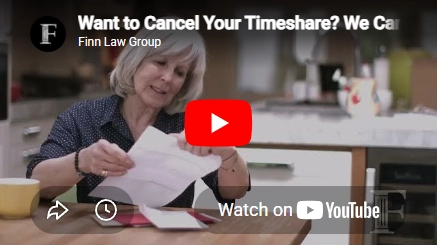
If you have missed the rescission window, cancellation becomes more complex. You may need to prove fraud, a disclosure violation, or other legal defects. A licensed attorney can review your contract and the closing documents to identify a real legal basis for rescission or challenge. Finn Law Group operates as a consumer protection firm focusing on Timeshare Law. We help owners navigate these issues. Consumer Protection Law outlines how our firm protects clients.
Frequently Asked Questions
What is the most common timeshare scam in Las Vegas?
The most common timeshare scam involves offering free show tickets in exchange for attending a high-pressure sales presentation. These pitches often lead to poor financial decisions and depreciating assets.
How do I cancel a Las Vegas timeshare?
Cancellation depends on your timeline. If you are within the statutory rescission window, you can cancel by delivering written notice via certified mail. If the window has passed, you may need to rely on contract defects or negotiate an exit. A licensed attorney can review your specific Las Vegas timeshare.
Can I get my money back from a timeshare scam?
Recovery depends on the type of scam and the timing. If you are within the rescission period, you can usually get a full refund. For older contracts, recovery may require proving fraud or a legal violation.
Are fake cannabis stores legal in Las Vegas?
Fake weed dispensaries exploit loopholes in the Nevada Farm Bill. They sell hemp products as cannabis without regulation. While the products may be hemp, the lack of oversight and deceptive practices pose risks to consumers.
What should I do if a scammer demands payment?
Do not pay. Scammers use urgency and aggression. Hang up, block the number, and report the attempt. Never send money or personal information to unsolicited contacts.
If you have been targeted by a timeshare scam or need help canceling your contract, [Contact Us] for a consultation.