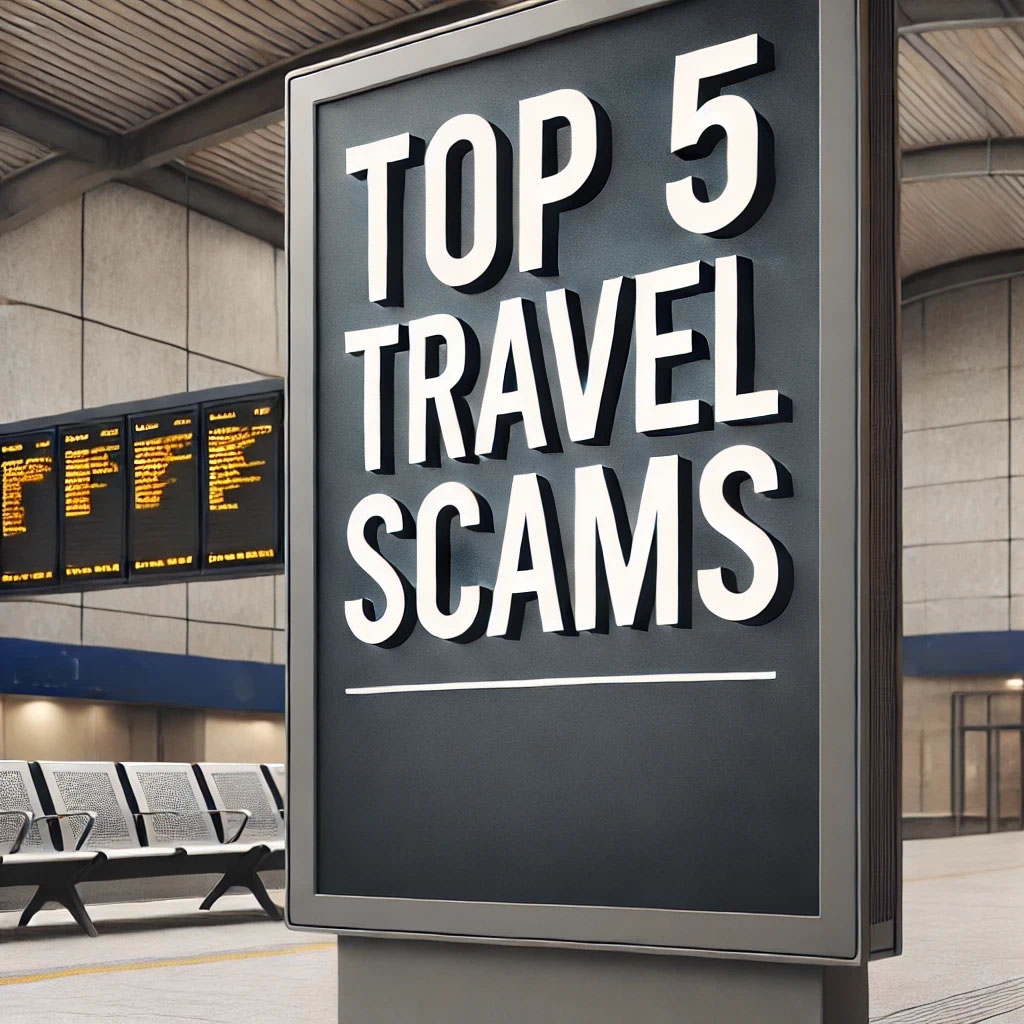
Top 5 Travel Scams to Watch Out For
 Traveling opens up a world of new experiences, cultures, and connections. However, with the increasing popularity of digital platforms and the ease of global communication, scammers are finding innovative ways to exploit unsuspecting travelers.
According to a recent New York Post article, here are the top 5 travel scams to watch out for. This article delves a bit deeper into these scams and provides essential tips to protect yourself during your travel adventures.
Why These Scams Are Happening Now
 Travel scams are on the rise due to several factors linked to technology and changing travel habits. The widespread use of online platforms for booking flights, hotels, and activities makes it easier for scammers to create fake listings and impersonate legitimate businesses, reaching more people with little effort. Additionally, the increase in remote work and digital nomadism means more people are traveling frequently, providing scammers with more opportunities to find unsuspecting victims. The rapid rebound in travel demand after the COVID-19 pandemic has also created gaps in regulation and customer support, allowing fraudulent schemes to flourish.
Social media and dating apps have made it simpler for scammers to conduct romance and investment scams, enabling them to build trust and deceive victims from afar. Economic uncertainties and the lure of attractive deals make travelers more likely to take risks, often overlooking warning signs in their quest for affordable and unique experiences. These factors combined create an environment where travel scams can thrive, making it essential for travelers to stay vigilant and informed.
1. Manipulative Romance Scams
What It Is: Scammers pose as romantic interests on dating apps or social media platforms, building trust and emotional connections with travelers. Once trust is established, they fabricate emergencies or financial needs, convincing victims to send money.
How to Protect Yourself:
- Stay Skeptical: Be cautious of individuals who profess strong feelings quickly or seem too good to be true.
- Verify Identities: Use video calls to confirm the person’s identity and consistency in their story.
- Avoid Sending Money: Never send money or share financial information with someone you’ve only met online.
2. Digital Gold Diggers: Exploiting Financial Trust
What It Is: These scammers target travelers by offering investment opportunities, exclusive deals, or access to luxury services. They lure victims into investing money, promising high returns or exclusive benefits that never materialize.
How to Protect Yourself:
- Research Opportunities: Verify the legitimacy of any investment or deal through trusted sources.
- Consult Professionals: Seek advice from financial advisors before making significant investments.
- Be Wary of Pressure Tactics: Legitimate opportunities won’t pressure you into making immediate decisions.
3. Accommodation Scams: Fake Listings and Overpayments
What It Is: Scammers create fake listings on rental platforms, offering attractive accommodation at below-market rates. Once the victim pays the deposit or full amount, the accommodation either doesn’t exist or isn’t as advertised.
How to Protect Yourself:
- Use Reputable Platforms: Book through well-known and trusted websites that offer secure payment options.
- Read Reviews: Check previous reviews and ratings of the property and the host.
- Verify Before Paying: Communicate directly with the host and request additional photos or verification of the property.
4. Transportation Frauds: Overpriced or Non-existent Services
What It Is: Fraudsters offer transportation services such as airport transfers, car rentals, or guided tours at attractive prices. After receiving payment, the service is either overpriced, canceled, or of subpar quality.
How to Protect Yourself:
- Book Through Official Channels: Use official transportation services or reputable companies.
- Confirm Reservations: Double-check your bookings and keep records of all transactions.
- Avoid Cash Transactions: Use secure payment methods that offer protection against fraud.
5. Tourist Trap Schemes: Hidden Fees and Unnecessary Add-ons
What It Is: Scammers target tourists by offering tours or activities that come with hidden fees, unnecessary add-ons, or are outright scams. Victims often find themselves overcharged or left without the promised experience.
How to Protect Yourself:
- Research Before Booking: Look up reviews and ratings of tours and activities on trusted platforms.
- Understand Pricing: Ensure you know the total cost upfront and be cautious of deals that seem too good to be true.
- Ask Questions: Clarify what is included in the price and be wary of any unexpected additional charges.
 Final Tips for Staying Safe While Traveling
- Stay Informed: Regularly check travel advisories and stay updated on common scams in your destination.
- Trust Your Instincts: If something feels off or too good to be true, it probably is.
- Secure Your Information: Protect your personal and financial information by using secure connections and avoiding public Wi-Fi for sensitive transactions.
- Report Suspicious Activity: If you encounter a scam, report it to local authorities and the platform where it occurred to help prevent others from falling victim.
Travel should be an enriching and enjoyable experience, allowing you to explore new cultures, create lasting memories, and form meaningful connections. To ensure your journeys remain positive and free from scams, it’s essential to stay informed by regularly checking travel advisories and keeping up-to-date on common scams in your destination. Always trust your instincts—if something feels off or too good to be true, it probably is.
Disclosure: This article is for information purposes only and is not intended as legal advice.
________________________________________________
Led by attorneys J. Andrew Meyer and Michael D. Finn with over 75 years of combined legal experience. The Finn Law Group is a national consumer protection firm that specializes in Timeshare Law. If you have questions about timeshare ownership or need assistance with timeshare cancellation, please contact us for a free consultation in office or by phone. Call 727-214-0700 or email us at info@finnlawgroup.com for more information. Also follow us on Twitter X.