The Problem with Timeshare Credit Cards
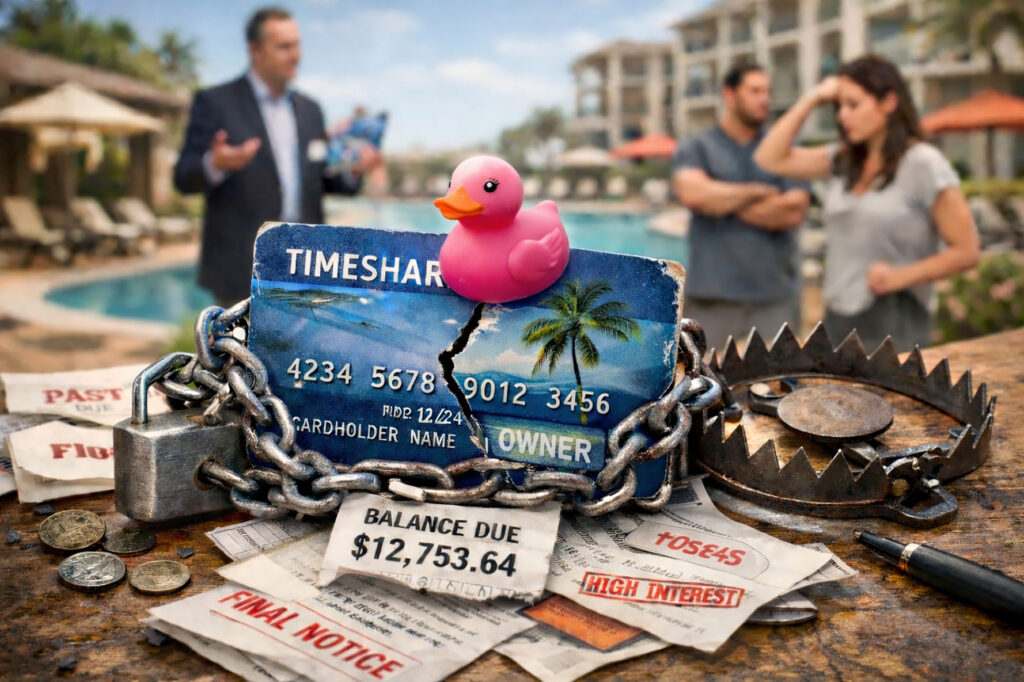
Timeshare ownership can sound appealing in theory. You enjoy regular vacations in a resort you know and like. But the financing requirements behind timeshares can quickly become confusing and costly. One of the most serious issues for consumers involves using credit cards and loans to cover the down payment of a timeshare purchase and what happens when things go wrong.
Why Down Payments Matter in Timeshare Financing
When you agree to buy a timeshare, you are typically required to put down a significant down payment before you even begin monthly payments on the purchase loan. Many contracts require about 10 percent of the purchase price up front. For a $25,000 timeshare, that is $2,500 just to get started.
For many consumers, even that amount is hard to afford. People who go on free or deeply discounted resort vacations and listen to sales presentations often do not have cash available for such a payment. They are told that using a credit card or taking out a loan will make the purchase possible, even if they do not have enough savings. But charging thousands of dollars to a credit card or signing a loan without fully understanding the terms can set the stage for financial trouble.
A Real-Life Story Illustrates the Risks
A recent WSOC-TV report tells the story of Kimberly Mitchell, who went to a timeshare presentation in Myrtle Beach in 2023. Mitchell said she told the salespeople, “I cannot do it. I don’t have the money. I don’t have the down payment.”
Still, she was offered a loan through Barclays to cover the required deposit. She then signed the timeshare contract, but nearly immediately regretted her decision. Mitchell explained that not even 12 hours later she called the lender to cancel and went back to the timeshare company with a handwritten cancellation letter that both she and the salesperson signed.
Despite this, a month later Barclays told her the first payment was due. She said she had not expected a bill at all. After months of back-and-forth trying to resolve the error, she did not pay and was sued. A deputy showed up at her door to serve her papers. Mitchell described it as “scary”. It was intimidating. And it was embarrassing.”
While the lawsuit against her was ultimately dropped, her experience illustrates how using timeshare credit card financing to make a down payment can create obligations the consumer did not intend and struggle to undo.
How Timeshare Credit Cards Compound the Problem
Timeshare developers and affiliated lenders often make it easy to put purchases on credit cards or offer loans with upfront approval. But these options pose serious risks:
- High interest debt: Traditional credit cards often have much higher interest rates than home loans or personal loans. Carrying a large balance on a credit card while also paying a timeshare loan increases the cost of ownership significantly.
- Legal exposure: Even if you try to cancel a purchase, lenders may pursue payment if they believe a contract is still in force. As Mitchell’s case shows, consumers can find themselves served with a lawsuit, even when they thought the deal was canceled.
- Credit impact: Missed payments or debts from credit cards and timeshare loans can damage your credit score. Over time, this can make it harder to qualify for other loans like auto or home loans.
What the Law Says About Timeshare Cancellations
Many states give consumers a limited window to cancel a timeshare agreement in writing. In both North Carolina and South Carolina, for example, buyers typically have five days to back out of the contract if they notify the company properly in writing.
However, this rescission period is often very short, and if you miss it by even a day you could remain legally obligated to the contract and related financing. That means you have to make payments or risk default, collections, and legal actions.
Final Thoughts on Timeshare Credit Cards
Timeshare credit cards and financing options can seem like a quick solution for buyers who do not have ready cash for the down payment, but these tools often mask the real cost and risk of ownership. As the WSOC-TV story shows, consumers can end up saddled with debt and legal headaches even when they believe they have canceled a purchase.
If you are considering a timeshare purchase, understand exactly how much money you must put down, how financing will work, and what your rights are if you change your mind. Think carefully before using credit as a lifeline. And if you are already facing financial or legal trouble from a timeshare purchase or credit card debt, speak with an attorney experienced in consumer and timeshare contract law to protect your rights and explore your options.
___________________________________________________________________
Disclosure: This article is for general informational purposes only and does not constitute legal advice. You should consult a qualified timeshare attorney for advice specific to your situation.
Led by timeshare attorneys J. Andrew Meyer and Michael D. Finn with over 75 years of combined legal experience. The Finn Law Group is a national consumer protection firm that specializes in Timeshare Law. If you feel you need the services of a timeshare attorney, contact our law firm today at 855-FINN-LAW. Want to learn more about timeshare related issues? Follow us on X, formally Twitter.