
The Origins of All Travel Scams
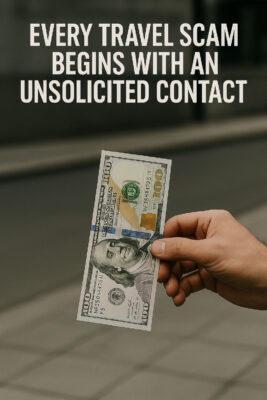 Understanding How Every Travel Scam Begins with an Unsolicited Contact
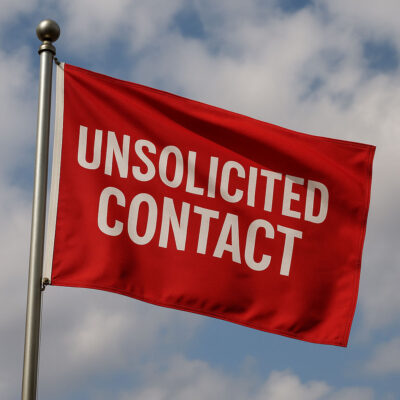
In the world of consumer protection law, one axiom rings especially true: Every travel scam begins with a contact you never asked for. Whether it’s a cheerful phone call about a “free cruise,” a flashy email offering a “dream vacation,” or a text message congratulating you on winning a “luxury resort stay,” the common denominator is always the same — you didn’t initiate it.
That’s the red flag that connects all travel scams, no matter how sophisticated or enticing they appear on the surface. It all starts with solicitation — an unrequested, often unexpected, attempt to get your attention and trust. And once that door is cracked open, scammers rush in with promises, pressures, and eventually, financial loss.
It All Starts Cold
The core strategy behind most travel scams is deceptively simple: make the first move. According to a recent investigative feature by KLFY News 10’s Layne Miller in their Eye on Scams series, nearly all travel scams begin with a cold outreach — and the scammers hope you’ll overlook how odd that is in your excitement over a potential “deal” or “prize.”
“Whether it’s through a phone call, email, social media message or text, a scammer contacts you out of the blue. They may say you’ve won a free vacation or a heavily discounted trip — but you must act fast,” the article reports, Eye on Scams: Travel Scams, published June 2024).
This is classic bait: the offer of something attractive (free airfare, luxury hotel rooms, VIP tours) paired with a sense of urgency to override your natural skepticism. You’re told you must “respond within 24 hours,” “confirm your details,” or even “pay a small processing fee” to claim your travel prize.
Unmasking the Scam Patterns of Unsolicited Contact
 Let’s break down how these scams tend to unfold:
1. Initial Hook
A stranger initiates contact — via call, email, text, or social media — claiming you’ve won something or been selected for an exclusive deal.
2. Fake Authority
The message will often cite a known travel brand or agency (sometimes a real one, sometimes fictional), giving the scam an air of legitimacy.
3. Urgency and Limited Time Offers
Scammers count on panic and impulsiveness. The offer is “only available today” or “must be booked right now” to work.
4. Hidden Fees or “Processing” Payments
That “free” vacation isn’t really free. Victims are asked to pay taxes, booking fees, or insurance — none of which actually go toward a legitimate reservation.
5. No Paper Trail
There are no official confirmations, verifiable contact details, or real itineraries. When the victim tries to follow up, the scammer disappears.
The Legal Implications: Why Prevention Is Key
From a legal standpoint, prosecuting travel scams can be notoriously difficult. Many of these operations are offshore, fly-by-night, or structured in a way that skirts direct fraud statutes. That’s why education is the first line of defense — consumers must be trained to recognize unsolicited contact as a foundational red flag.
In the eyes of the law, the unsolicited nature of the initial communication may also serve as circumstantial evidence of intent to defraud. But consumers who act quickly, especially with money transfers or giving up personal information, may find legal remedies are limited once the scam is complete.
A Simple Rule: If You Didn’t Ask, Don’t Engage
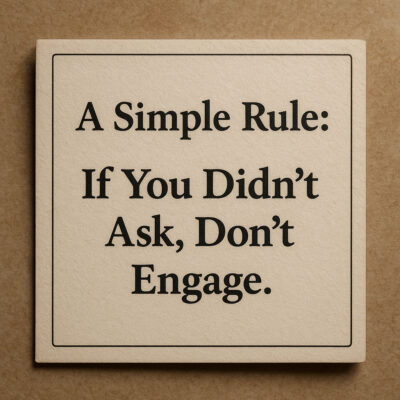 The simple rule in protecting yourself from travel scams: If you didn’t ask, don’t engage. That means no returning calls, no clicking links, and absolutely no handing over personal or financial information — no matter how enticing the offer seems.
Even if the deal sounds legitimate or too good to pass up, slow down and verify. According to News 10’s Eye on Scams series, one of the smartest things you can do is ask: “How can I call you back?” This puts the burden of legitimacy on the caller. And more often than not, there’s no real number to call — a clear red flag that you’re being scammed.
Just as importantly, ask who will be charging your credit card. Scammers often operate through third-party processors or shell companies with vague names. If you don’t recognize the billing party, or they can’t give you a straight answer, walk away.
It’s also critical to remember: legitimate travel companies don’t cold-call sweepstakes winners. Real contests require you to enter voluntarily, and winners are always asked to verify identity and provide paperwork. If you didn’t sign up for a travel giveaway, you didn’t win.
Final Thoughts
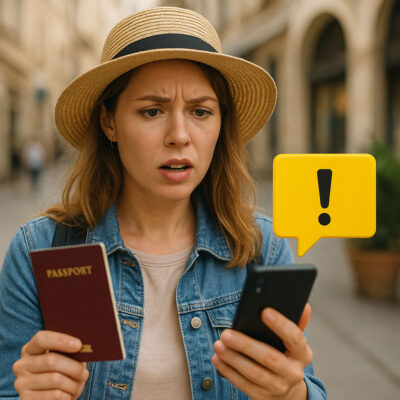 Travel scams prey on emotion — excitement, urgency, and trust. But you can outsmart them by recognizing the earliest warning sign: an unsolicited contact. No matter how official it sounds or how incredible the offer seems, always pause and investigate.
Because in the end, it’s not just about avoiding a fake vacation — it’s about protecting your identity, your finances, and your peace of mind.
As travel rebounds post-pandemic and consumers seek adventure again, scammers are back in full force — targeting inboxes, phones, and social feeds. But if we trace every travel scam back to its roots, the pattern becomes clear. The moment that unsolicited message pops up? That’s the moment to stop.
By understanding the origins of travel scams — the first knock at your digital door — you can avoid the cascade of deception that follows. And if you’ve already fallen victim or suspect you’re being targeted, don’t hesitate to consult a consumer protection attorney.
Disclosure: This article is intended for informational purposes only and should not be considered legal advice. Images included are used for illustrative and artistic purposes only and do not depict actual individuals, events, or specific locations.
____________________________________
Led by timeshare attorneys J. Andrew Meyer and Michael D. Finn with over 75 years of combined legal experience. The Finn Law Group is a national consumer protection firm that specializes in Timeshare Law. If you feel you need the services of a timeshare attorney, contact our law firm today at 855-FINN-LAW. Want to learn more on timeshare related issues? Follow us on X.