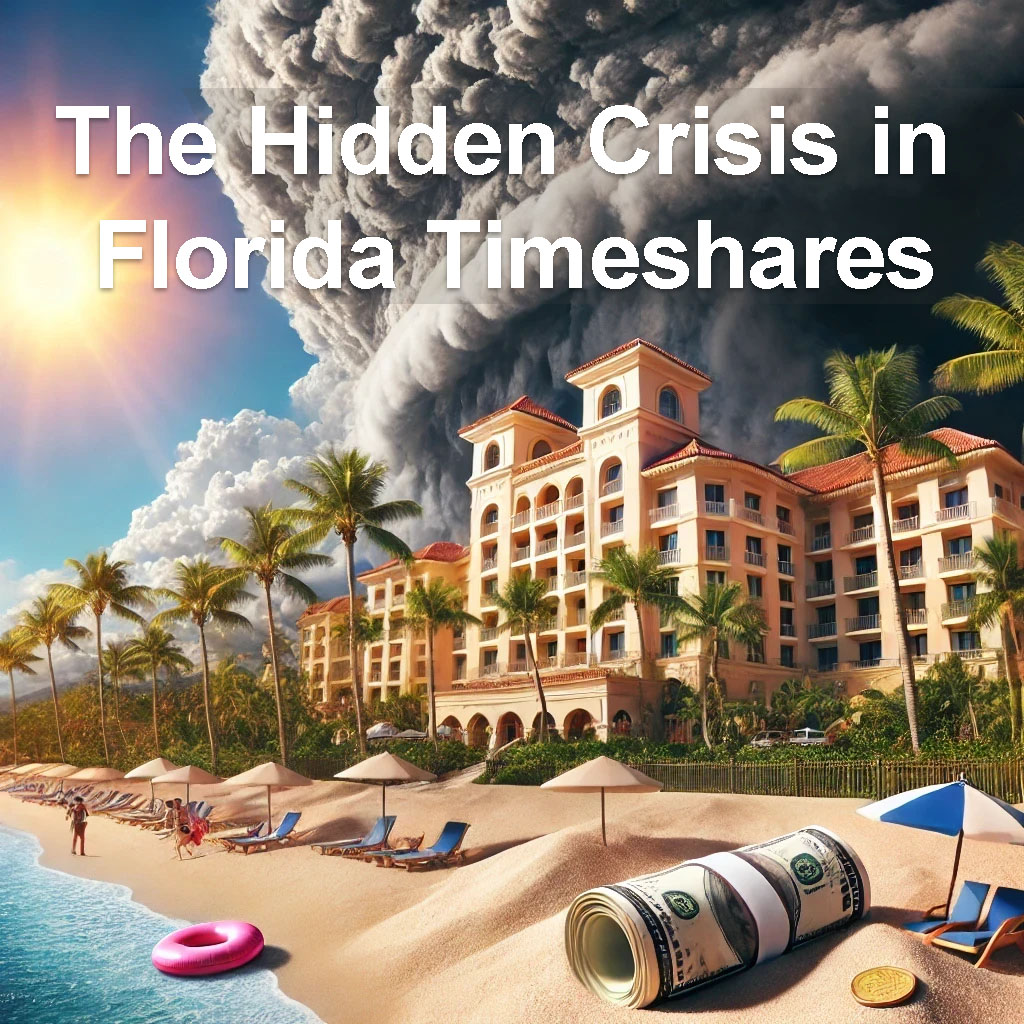
The Hidden Crisis in Florida Timeshares
The Surfside Condo Collapse: A Wake-Up Call
Following the tragic Surfside condo collapse in June 2021, the state of Florida took decisive action to prevent such a disaster from happening again. Governor Ron DeSantis signed a new law mandating that condominiums three stories or taller to undergo structural assessments and fully funded reserves. This law aimed to rectify the chronic underfunding of reserves that had been legally permissible in the past, resulting in substantial financial shortfalls during critical times of need. While this shift in policy has primarily focused on condominiums, it has also revealed a pressing issue for timeshare owners across the state. Many Florida timeshare properties, often managed by Homeowners Associations (HOAs), have similarly struggled with underfunded reserves, leaving owners to face unexpected financial burdens.
A New Reality for Timeshare Owners
The new Florida legislation mandates a more responsible approach to reserve funding, a move that, while necessary, has introduced significant challenges for timeshare owners. For years, many timeshare properties operated under the assumption that waiving reserve contributions would not have immediate consequences. This lenient policy allowed for lower annual fees, which made timeshare ownership appear more affordable and attractive. However, this approach has led to substantial underfunding, leaving many timeshare associations with insufficient reserves to cover essential repairs and maintenance.
As a result, Florida timeshare owners are now facing the financial repercussions of these past practices. Sudden increases in maintenance fees and special assessments have become a reality for many, as HOAs scramble to raise the funds needed for critical repairs and upkeep that were deferred for years. These timeshare assessments can be particularly burdensome, with some owners receiving unexpected bills amounting to thousands of dollars.
Financial Strain on Timeshare Owners
 The necessary repairs often include major structural work, roof replacements, and upgrades to outdated building systems such as plumbing, electrical, and HVAC. These are significant investments critical for the safety and functionality of the properties. For many timeshare owners, especially those on fixed incomes or with limited financial flexibility, these sudden financial demands can lead to severe hardship.
Moreover, the lack of sufficient reserves has affected the marketability of timeshare properties. Potential buyers may be wary of purchasing into a property with known financial instability and looming large-scale repairs. This situation has led to a further decline in resale values, further impacting owners who might have hoped to sell their timeshare as a means of alleviating financial strain.
The Consequences of Underfunded Reserves
 For years, many Homeowners Associations (HOAs) took advantage of a legal provision allowing them to waive reserve funding requirements annually. This practice provided short-term financial relief but led to long-term financial instability. As a result, many condo and timeshare properties now face significant maintenance and repair costs without the necessary funds to cover them.
Condo and timeshare owners are now grappling with unexpected special assessments and increased HOA fees to make up for years of underfunding. These sudden financial burdens can be particularly challenging for fixed-income residents and those who purchased timeshares expecting low, predictable costs. The need for substantial repairs, such as structural reinforcements, roof replacements, and essential building system updates, has brought the issue of reserve fund inadequacy to the forefront.
The End of Reserve Waivers: A New Era for HOAs
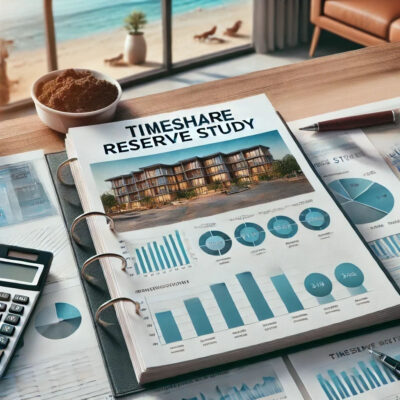 The new legislation signifies the conclusion of the era of reserve waivers, compelling timeshare HOA’s to adopt more responsible financial practices. This change, while essential for the safety and stability of the properties, has led to a turbulent transition period. The sudden need to fully fund reserves has placed significant financial pressure on HOAs, which must now balance immediate repair needs with long-term financial planning. This shift has also caused confusion and concern among timeshare owners, who are now facing increased fees and assessments. The objective, however, is clear: to create a sustainable financial framework that prevents the neglect of major maintenance and repairs.
The Role of Timeshare HOAs Moving Forward
Timeshare HOAs must now ensure full compliance with the new reserve funding requirements, which is no small task. This involves conducting thorough and regular reserve studies to precisely gauge the financial needs of their resort properties. These studies must be detailed, taking into account the age, condition, and anticipated future repairs of all structural components. Once the financial needs are accurately assessed, HOAs need to develop and implement realistic funding plans that spread the costs over time, mitigating the impact on owners. Additionally, fostering transparency and maintaining open communication with owners during this period is vital. By clearly explaining the reasons behind the increased fees and assessments, and how these funds will be used, HOAs can build trust and support among owners.
Transparency in Record Keeping
 Other recent Florida timeshare laws have also mandated greater transparency from HOAs in their record-keeping practices. This enhanced accountability is a significant step toward ensuring that reserve funds are properly maintained and allocated for necessary repairs. HOAs are now required to keep meticulous records of all financial transactions, reserve studies, and funding plans, and make these records readily accessible to timeshare owners. This level of transparency can help in preventing mismanagement and builds confidence among owners that their money is being used wisely. It also allows owners to stay informed about the financial health of their property and understand the long-term maintenance plans.
The Importance of Timeshare Owner Education
Given the potential significant financial impact on timeshare owners, it is important to educate them about the new Florida legislation and what it means for their ownership. Many timeshare owners may not be aware of these changes or how they will affect their finances. It is vital that HOAs communicate openly with owners and provide resources to help them understand the current state of their property’s reserves and any potential financial impacts.
Final Thoughts: A Path to Stability and Safety
The recent legislative changes in Florida highlight the importance of fully funded reserves for condo and timeshare properties. While the transition has and may continue to be difficult for many owners in the near future, these measures are essential to prevent future tragedies and ensure the long-term stability and safety of these communities. Moving forward, HOAs must prioritize financial responsibility and transparency to rebuild trust and create a sustainable future for condo and timeshare owners.
By addressing the root causes of reserve fund shortfalls and implementing rigorous maintenance and repair schedules, communities can avoid the devastating consequences of underfunded reserves and ensure a safer vacation environment for all Florida timeshare owners and guests.
Disclosure: This article is for information purposes only and is not intended as legal advice. Always seek the assistance of a financial or legal professional in any individual circumstances.
___________________________________
Led by timeshare attorneys J. Andrew Meyer and Michael D. Finn with over 75 years of combined legal experience, the Finn Law Group is a consumer protection firm that specializes in timeshare law. If you have a legal question or issues related to your timeshare, contact us for a free consultation in office or by phone at 727-214-0700. You can also learn more about Florida timeshares on our Twitter X page.