St. Petersburg Leads Florida in Scam Calls
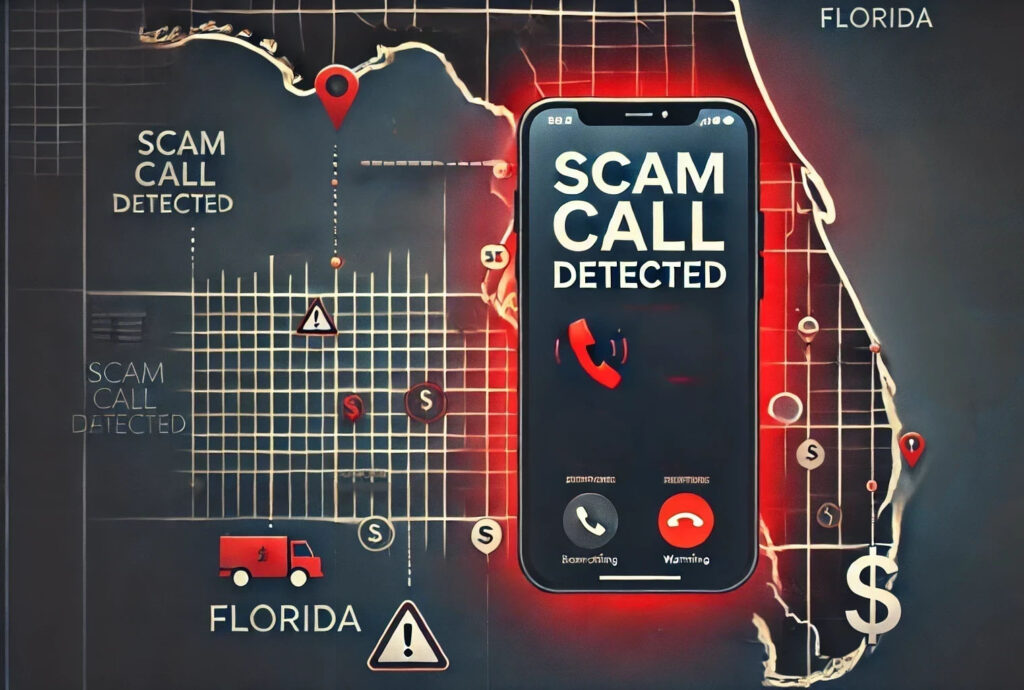
A new report reveals St. Petersburg’s startling rise to the top of the list of U.S. cities most inundated by scam calls. While recent data from WFLA’s Bloom Tampa Bay highlighted that St. Petersburg leads Florida in scam calls in 2024, industry analysts say this alarming milestone also places the Sunshine City among the highest nationwide.
The Alarming Numbers of Scam Calls
 The WFLA report notes that Floridians—already frequent targets for phone scams—are fielding a record number of fraudulent calls. Given that St. Pete experienced the highest volume of these calls in the state, experts suggest the city has effectively become an epicenter of scam call activity in the country.
Key findings include:
- A surge in scam calls in 2024, with more complaints filed than in any previous year.
- Thousands of St. Petersburg residents reporting phone scams involving phony government agencies, insurance companies, or utilities and other organizations.
“The data is clear: St. Petersburg has taken the unfortunate lead in both Florida and likely the nation for scam calls,” noted one consumer advocate.
Why Scammers Target St. Petersburg?
Rapid Population Growth
St. Pete’s ongoing population boom—attracting both retirees and younger professionals—creates a broad target for scammers. New residents, especially those unfamiliar with local news and consumer protection tips, may be more susceptible.
Seasonal Residents and Tourists
Florida’s status as a vacation hotspot means a steady influx of visitors, many of whom may not recognize the local 727 and 813 area codes or know about the latest scams in St. Petersburg. Fraudsters exploit transient populations, aiming to pressure confused recipients into sharing personal data.
Advanced Technology in Scam Operations
According to reports cited in the WFLA piece, scammers are now using sophisticated robocall systems and caller ID spoofing to appear legitimate, fooling even tech-savvy residents.
Common Scam Tactics
Scammers use a variety of approaches to trick St. Pete residents into revealing personal information or sending money:
- “Government Agency” Calls: Fraudsters impersonate the IRS, Social Security Administration, or local law enforcement, threatening arrest or fines unless victims pay immediately.
- Phony Bank Alerts: Text messages or phone calls claiming a bank account is compromised, prompting recipients to “verify” their credentials.
- Utility Bill Threats: Scammers pose as electric, water, or internet providers, pressuring targets to make an urgent payment to avoid disconnection.
Senior attorney Mike Finn pointed directly at patterns. “These tactics scammer use often rely on fear and urgency, prompting people to respond before they have time to verify the caller’s identity. They are betting on pure reaction”, said Finn.
Financial and Emotional Toll
 Despite some individuals immediately hanging up on shady calls, too many—especially seniors—remain unaware of the newest scam tactics. Falling prey to these schemes can inflict devastating financial losses, compounded by lingering emotional distress. Robocall scams present a serious financial hazard, with victims losing a median of $1,500.
Older adults fare even worse, as those over 60 report median losses of $2,000 per incident. And the situation is growing more dire by the day. Across Florida, the fight continues against rising scam rates. In 2024 alone, robocalls cost Americans nearly $700 million—a staggering figure that doesn’t even include the surge in text-based scams.
Protecting Yourself From Telephone Scams
 Consumer advocates, local government officials, and federal agencies recommend several key steps to help St. Petersburg residents (and Americans across the nation) combat the onslaught of scam calls:
- Use Call-Blocking Apps
Many modern smartphones include built-in spam filters. Third-party apps also help screen suspicious numbers before they can reach you. - Never Share Personal Information
Legitimate organizations will rarely ask for sensitive details—like Social Security numbers, bank passwords, or credit card info—over the phone. - Verify Before Paying
If a caller demands immediate payment, hang up and contact the company or agency directly using the phone number from its official website or statement. - Stay Informed
Check official sources such as the Federal Trade Commission (FTC) and local consumer protection offices for the latest scam alerts. - Report Scam Calls
Notify the FTC, local law enforcement, or Florida’s Attorney General’s Office if you suspect a scam. More reports help authorities track patterns and shut down fraudulent call centers.
So, You Got Scammed?
 If you’ve been caught in a scam, you’re far from alone—the statistics are certainly stacked against consumers in Florida. But there is hope. State and federal law enforcement have recently scored major wins in cracking down on rogue international groups, often even without cooperation from noncompliant telephone providers. The bottom line? Report the scam immediately. Every report strengthens active investigations and shields others from falling victim. In fact, the more tips authorities receive, the easier it becomes to spot trends and shut down fraudulent call centers for good.
Looking Ahead
St. Petersburg’s unfortunate status as one of the nation’s leading hotspots for scam calls highlights the urgent need for both consumer awareness and stronger enforcement. We encourage you to share these insights with local friends, family, and coworkers—because sometimes, just a little knowledge can save someone from a big headache. Our takeaways are purposefully straightforward and easy to remember, so everyone can quickly recognize and avoid suspicious calls. By spreading the word, you can help protect the people you care about—and together, we can take a meaningful step toward ending these pervasive scams.
Disclosure: This article is for information purposes only and is not intended as legal advice.
________________
Led by attorneys J. Andrew Meyer and Michael D. Finn with over 75 years of combined legal experience. The Finn Law Group is a national consumer protection firm based in St. Petersburg, Florida. Follow us on Twitter X for more on Robocalls and Telephone Scams.