South Carolina Spotlights Timeshare Scams
A Growing Threat to Consumers
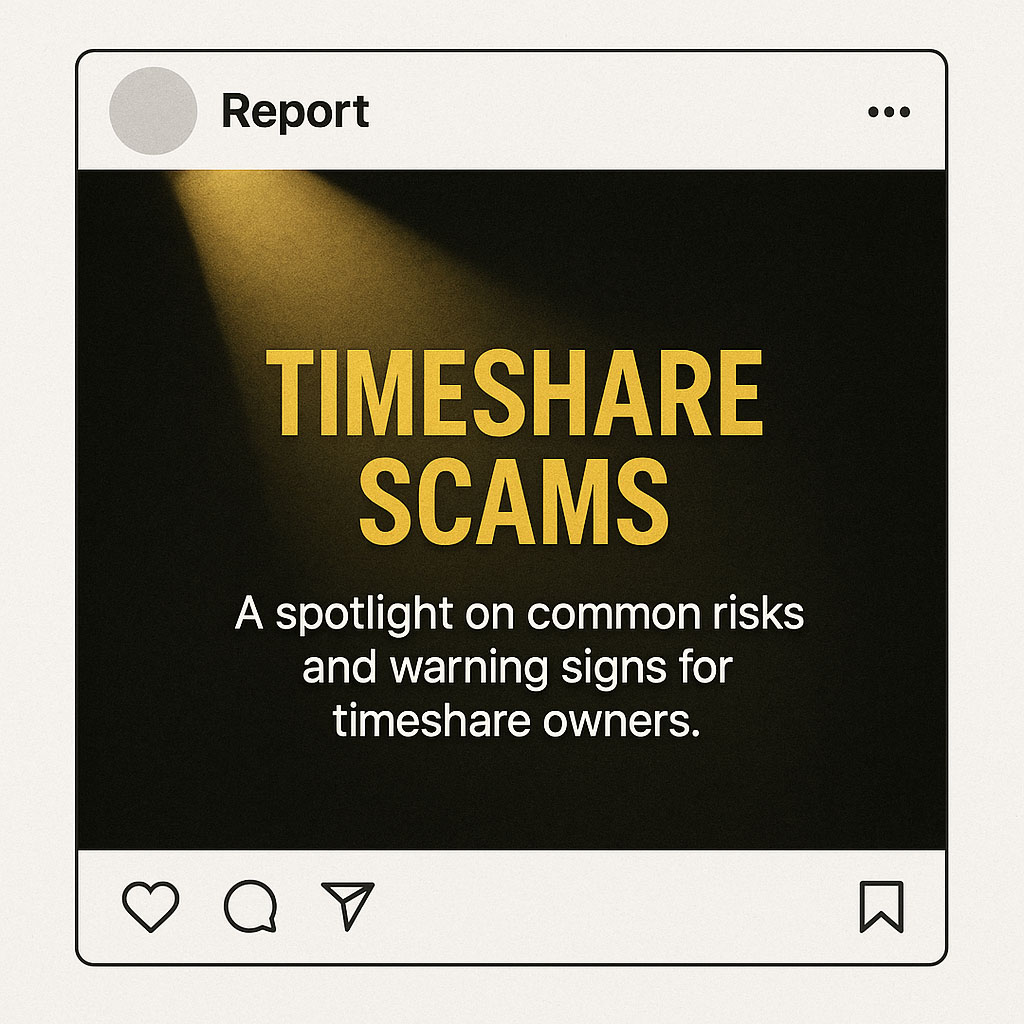
 Timeshare scams remain a persistent and serious consumer protection concern nationwide. While legitimate timeshare programs exist, many consumers fall prey to scams employing aggressive sales tactics, misleading promises, and fraudulent resale schemes. Recognizing the severity of the issue, the South Carolina Department of Consumer Affairs (SCDCA) recently released a comprehensive “Timeshare Scams Spotlight Report,” aimed at educating the public about the risks and offering guidance on the complexities of timeshare agreements and related fraud.
As South Carolina spotlights timeshare scams, this article explores key insights from the SCDCA’s report and provides some other practical recommendations for consumers who are either considering purchasing a timeshare or seeking to exit an existing timeshare contract safely.
Understanding the Problem: Why Timeshares Can Lead to Trouble
Timeshare contracts are often complicated, lasting many years, and legally difficult to get out of. Because these agreements can be so confusing, they become easy targets for dishonest companies looking to take advantage of timeshare owners. Scams related to timeshares usually happen in two common ways:
Aggressive and Misleading Sales Tactics
Many consumers first encounter timeshare offers through high-pressure sales presentations. Often incentivized with enticing rewards—such as complimentary vacations, hotel stays, or event tickets—consumers are subjected to lengthy, intense sales pitches designed to secure an immediate commitment. During these presentations, sales representatives frequently downplay or entirely omit critical details about additional fees, annual maintenance costs, usage restrictions, and consumers’ cancellation rights, creating confusion and regret after the contract is signed.
Timeshare Exit and Resale Scams
For consumers already trapped in burdensome timeshare agreements, exit and resale scams present an additional risk. Fraudulent companies often promise consumers they can quickly and effortlessly resell or cancel their contracts. In reality, these companies typically demand significant upfront payments for their services, after which they rarely, if ever, deliver on their promises. Victims commonly find themselves with no resolution, fewer financial resources, and even deeper frustration.
What South Carolina’s Consumer Affairs Department Shares

The SCDCA’s “Timeshare Scams Spotlight” provides valuable insights and clear guidelines to help consumers identify scams and avoid victimization. Here are some other recommendations that are beneficial not only for South Carolina residents but for anyone dealing with timeshare matters nationwide.
Common Warning Signs
- Urgent Pressure to Sign Immediately: Any tactic that insists you must act “today only” aims to discourage careful consideration or consultation with family, legal advisors, or consumer advocates.
- Demand for Upfront Fees: Legitimate timeshare resale services earn their income only after successfully selling your timeshare. Beware of any company demanding payment upfront.
- Promises of Easy Contract Cancellation: Timeshare agreements are legally binding. Any company that guarantees they can cancel your contract outside your state’s legal rescission period without negotiating with the developer should be viewed skeptically.
- Refusal to Provide Written Documentation: Timeshare contracts typically include clauses negating oral representations. Ensure every promise or agreement is documented explicitly in writing.
 Tips to Stay Safe
- Engage Licensed Professionals: When seeking resale or contract termination assistance, only consult licensed attorneys or real estate brokers experienced with timeshare issues.
- Research Thoroughly: Verify the legitimacy of companies through the Better Business Bureau, consumer protection agencies, and online reviews. Confirm licensing and professional credentials.
- Avoid Upfront Payments: Genuine services receive payment after completing their work. Be cautious of companies demanding immediate fees before providing results.
- Understand Your Rights: Familiarize yourself with your state’s rescission period, typically a short window following contract signing during which you can legally cancel without penalty. In South Carolina, this period is five days, but it varies by state.
Taking Action: Where to Turn for Assistance
If you suspect you’ve encountered a timeshare scam or need to validate a company’s claims, promptly contact the appropriate consumer protection agencies. In South Carolina, the Department of Consumer Affairs provides essential support and guidance. Additionally, broader federal support is available from the Federal Trade Commission (FTC) and your own State Attorney General’s office.
South Carolina Department of Consumer Affairs
- Website: www.consumer.sc.gov
- Consumer Hotline: 1-800-922-1594
Final Thoughts: Empowered Consumers Are Protected Consumers
Timeshare ownership decisions should always be informed and deliberate, not hastily made under pressure or manipulation. Do your research. Awareness and education are your strongest tools for avoiding exploitation. By understanding the common schemes outlined by the SCDCA, seeking reputable professional assistance, and remaining vigilant, consumers can significantly reduce their risk of falling victim to timeshare scams.
For further information and detailed guidance, consult the full SCDCA Timeshare Scams Spotlight Report.
Disclosure: This article is intended for informational purposes only and should not be considered legal advice. Images included are used for illustrative and artistic purposes only and do not depict actual individuals, events, or specific locations.
____________________________________
Led by timeshare attorneys J. Andrew Meyer and Michael D. Finn with over 75 years of combined legal experience. The Finn Law Group is a national consumer protection firm that specializes in Timeshare Law. If you feel you need the services of a timeshare attorney, contact our law firm today for a free consultation at 855-FINN-LAW. If you are interested in learning more about timeshare related issues? Follow us on X.