Secure Your Holidays Against Scams
 The holiday season brings joy, generosity, and, unfortunately, an increase in fraudulent activities. As you search for the perfect gifts and take advantage of attractive deals, scammers are ready to exploit your goodwill and busy schedules.
According to AARP, “The holiday season is prime time for fraudsters looking to take advantage of shoppers’ goodwill and busy schedules.” By understanding common scams and learning how to safeguard yourself, you can ensure a safe and joyful holiday season for you and your loved ones.
Common Holiday Shopping Scams to Be Aware Of
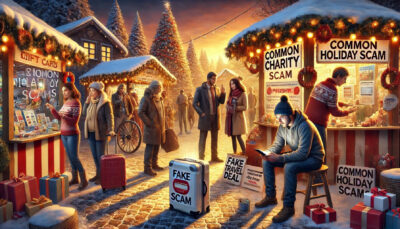 During the holidays, certain scams become more widespread. Being aware of these can help you recognize and avoid falling victim to them:
Phishing Emails and Fake Websites
Scammers often send holiday emails that mimic legitimate retailers, tempting recipients with fake discounts or exclusive deals. These emails usually contain links to fraudulent websites designed to steal personal and financial information.
Counterfeit Products
High-demand items like electronics, designer clothing, and toys are common targets for counterfeiters. Buying from unverified sellers increases the risk of receiving substandard or fake products.
Charity Scams
In the spirit of giving, scammers may pose as legitimate charities seeking donations for holiday causes. These fraudulent organizations exploit people’s generosity, diverting funds away from genuine charitable efforts.
Social Media Scams
Holiday-themed giveaways and contests on social media platforms can be traps set by scammers aiming to collect personal data or encourage unwitting users to participate in fraudulent schemes.
How to Protect Yourself from Scams
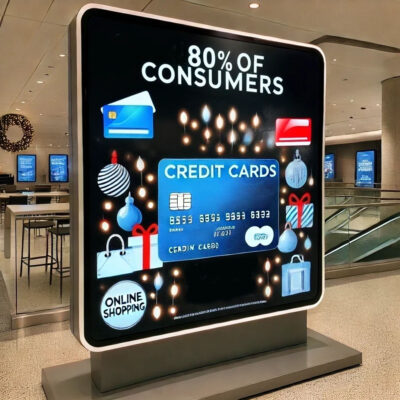 During the holiday season, vigilance is more important than ever. According to AARP, a staggering 80% of U.S. consumers have experienced holiday-related fraud. This alarming statistic underscores the importance of staying informed and cautious to significantly reduce the risk of falling prey to scammers. Implementing the following strategies can help ensure your holiday shopping remains safe and enjoyable:
Verify the Source
Before making any purchase, always confirm that you are dealing with reputable and established retailers. Look for secure website indicators such as “https://” in the URL and a padlock symbol, which signify that the site encrypts your data. Additionally, research the seller by reading customer reviews and ratings on independent platforms. Avoid unfamiliar or suspicious websites, and consider purchasing directly from the official retailer’s site or trusted marketplaces like Amazon or eBay. When shopping in physical stores, ensure that the establishment is legitimate by checking for proper business licenses and contacting customer service if you have any doubts.
Be Skeptical of Too-Good-to-Be-True Deals
Scammers often lure consumers with offers that seem exceptionally generous or have extremely limited time frames. If a deal appears unusually advantageous, approach it with skepticism. Take the time to investigate the legitimacy of the offer by verifying the seller’s credibility and reading the fine print. Be wary of hidden fees, unclear return policies, or pressure tactics that urge immediate action. For example, a deeply discounted high-end gadget from an unknown seller might be a counterfeit product. When in doubt, consult with friends or family members before making a decision.
Secure Your Personal Information
Protecting your personal and financial information is paramount during the holiday shopping rush. Never disclose sensitive details such as Social Security numbers, credit card information, or passwords through unsolicited emails, messages, or websites. Utilize secure payment methods like credit cards or trusted payment services that offer fraud protection. Additionally, enable two-factor authentication on your accounts and regularly monitor your financial statements for any unauthorized activity. Investing in identity theft protection services can provide an added layer of security, ensuring that your information remains safeguarded against potential breaches.
Educate Yourself and Others
Knowledge is one of the most effective defenses against fraud. Take the initiative to educate yourself about common holiday scams and how they operate. Share this information with family members, friends, and especially those who may be more vulnerable, such as the elderly or technologically inexperienced. Staying updated on the latest scam trends by following consumer protection agencies and subscribing to their alerts ensures that you remain informed and prepared to tackle new threats as they emerge.
Utilize Technology Wisely
Leverage technology to enhance your protection against scams. Install reputable antivirus and anti-malware software on your devices to prevent malicious attacks. Use strong, unique passwords for different accounts and consider using a password manager to keep track of them securely. Enable automatic updates for your software and operating systems to protect against the latest vulnerabilities. Additionally, be cautious when downloading attachments or clicking on links from unknown sources, as these can be common vectors for phishing attempts and malware infections.
Monitor Your Financial Statements
Regularly reviewing your bank and credit card statements can help you quickly identify and respond to unauthorized transactions. Set up alerts with your financial institutions to notify you of any suspicious activities in real-time. If you notice any discrepancies, contact your bank or credit card company immediately to dispute the charges and secure your accounts. Early detection is key to minimizing the impact of fraudulent activities and preventing further unauthorized access to your financial information.
By implementing these comprehensive strategies, you can significantly reduce the risk of falling victim to holiday scams. Staying informed, cautious, and proactive ensures that your holiday season remains joyous and free from the stress of fraud-related issues.
What to Do If You Fall Victim to a Holiday Scam
Despite taking precautions, you might still encounter fraudulent activities. Here’s what to do if you become a victim:
Report the Scam
Notify relevant authorities such as the Federal Trade Commission (FTC) and your local consumer protection office. Reporting helps authorities track and combat fraudulent activities.
Contact Your Financial Institution
If you’ve provided financial information, contact your bank or credit card company immediately to secure your accounts and prevent further unauthorized transactions.
Seek Support
Dealing with the aftermath of a scam during the holidays can be stressful. Reach out to support organizations or consult with legal professionals if necessary. AARP provides valuable insights and updates on the latest scams to watch out for. For more detailed information, visit AARP’s 2023 Holiday Shopping Scams.
Additionally, consider reaching out to organizations like the Better Business Bureau (BBB) for further guidance and support.
Wishing you a safe and happy holiday season from Finn Law Group!
______________________________
Disclosure: This article is for information purposes only and is not intended as legal advice.
With over 75 years of combined legal experience, timeshare attorneys J. Andrew Meyer and Michael D. Finn lead the Finn Law Group, a national consumer protection firm specializing in Timeshare Law. If you have questions about your rights as a timeshare owner, contact us for a free, confidential consultation at 855-FINN-LAW or email us at info@finnlawgroup.com. Follow us on Twitter/X for updates and insights.