
 A new study by PYMNTS Intelligence shows a worrying trend: scams using tricks and lies now account for 27% of bank fraud losses in the U.S. as of 2024. That’s more than double the 12% reported in 2023.
These scams work because they convince people to send money themselves under false pretenses. This could be a fake bank alert, a call from someone pretending to be tech support, or an investment offer that’s too good to be true. These aren’t just mistakes—they’re carefully planned manipulations. As a law firm handling various consumer protection cases regularly, we see the same painful situations repeatedly. People get tricked because scammers create urgency or fear. Unfortunately, consumer education hasn’t kept up with these clever methods.
This increase in scams should alarm both consumers and banks. Scammers aren’t attacking computer systems as much anymore—they’re attacking people’s trust and emotions. We need clear and simple information broken down about these scams so people can protect themselves. Real-time alerts, easy-to-understand fraud policies, and better consumer education are essential. Let’s discuss this.
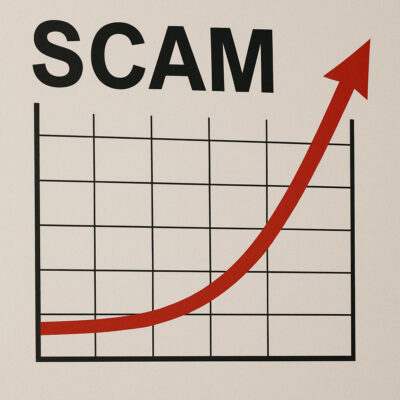 In 2024, traditional fraud like stolen card numbers and unauthorized digital access dropped by 57%. This happened because banks improved security with better tools like real-time alerts and advanced verification. But scammers adapted. Instead of attacking technology, they now manipulate people directly. They use emotions and trust to trick people into willingly transferring money. These scams bypass security because the transactions seem legitimate.
Victims aren’t careless—they’re simply unaware of how sophisticated scams have become. Without better education, many don’t realize the danger until it’s too late.
According to the Federal Trade Commission, Americans lost $12.5 billion to fraud in 2024, up 25% from 2023. That’s around 77 million people—nearly 3 in 10 U.S. consumers—who have been victims of scams in the last five years. Most consumers lost at least $500, with many losing thousands.
In 2024, 38% of fraud reports involved actual financial losses, compared to 27% in 2023. Investment scams caused the most damage at $5.7 billion, followed by imposter scams at $2.95 billion. Most losses happened through bank transfers and cryptocurrency, making recovery difficult.
 Scammers don’t break into banks; they trick you into handing over money yourself. Clear, consistent education is one of our best defenses. People need to know how scams work and how to respond quickly.
The problem is growing, but with better tools, policies, and education, we can reduce fraud—one informed person at a time.
Step | What to Do | Why It Matters |
|---|---|---|
1 | Pause and verify calls or messages. | Scammers use urgency to pressure you. |
2 | Use payment methods with fraud protection. | Some transfers are hard to reverse. |
3 | Sign up for transaction alerts. | Immediate alerts help catch fraud early. |
4 | Stay informed about new scam methods. | Awareness helps you stay prepared. |
 Scams now drive 27% of bank fraud because fraudsters exploit trust, emotions, and urgency—not just technology. As attorneys who regularly handle consumer protection cases, including travel-related issues, we witness the stress and financial harm these scams cause firsthand. Thankfully, much of this damage can be avoided with timely education. Fraudsters will continue changing their methods, but we can adapt too. By working closely with banks, regulators, and informed consumers, we can better protect our finances and our peace of mind.
Disclosure: This article is intended for informational purposes only and should not be considered legal advice. Images included are used for illustrative and artistic purposes only and do not depict actual individuals, events, or specific locations.
____________________________________
Led by timeshare attorneys J. Andrew Meyer and Michael D. Finn with over 75 years of combined legal experience. The Finn Law Group is a national consumer protection firm that specializes in Timeshare Law. If you feel you need the services of a timeshare attorney, contact our law firm today at 855-FINN-LAW. Want to learn more on timeshare related issues? Follow us on X formally Twitter.