IRS Offers Scam Relief for Some Consumers
A Glimmer of Hope After Financial Loss
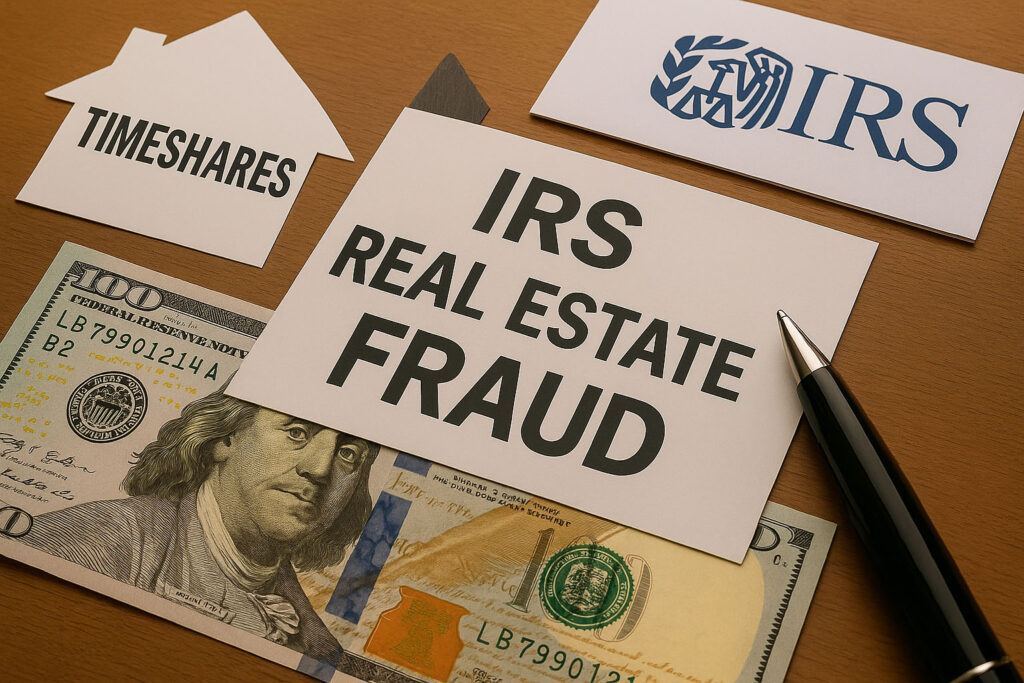
 For victims of scams, the financial and emotional toll can be overwhelming. After losing money to fraudsters, many consumers are left feeling powerless with little recourse. But thanks to an updated understanding of the U.S. tax code—and some recent attention from financial and legal professionals—there’s a lesser-known lifeline: a potential tax deduction for scam-related losses.
A recent article by The New York Times highlights how some scam victims may qualify for a tax deduction under specific circumstances. While this doesn’t make victims whole, it can provide some relief—especially for those who have exhausted all other options.
Understanding the Basics: What the IRS Allows
The Internal Revenue Service (IRS) classifies most scam losses as personal theft losses. Under changes made by the 2017 Tax Cuts and Jobs Act, deductions for personal theft losses are no longer broadly allowed—except when the loss is tied to a federally declared disaster. However, there’s a significant exception that might apply to certain victims: if the scam involves a criminal act and the victim is pursuing recovery through the legal system, the loss may be deductible as a casualty or theft loss.
This tax opportunity hinges on proving several things:
- A real, measurable financial loss intended for profit
- That the loss was due to criminal fraud or impersonation
- And that the taxpayer made reasonable attempts to recover the money, such as reporting the fraud to law enforcement or initiating legal proceedings
If these conditions are met, victims can typically report the loss using IRS Form 4684, “Casualties and Thefts.”
Who’s Eligible: It’s All in the Details
Not every scam loss will qualify. This avenue is best suited for cases involving:
- Ponzi schemes or investment scams
- Real estate and Timeshare fraud
- Identity theft with demonstrable financial impact
- Romance scams with substantial monetary transfers
For example, the IRS has specific rules for Ponzi-type investment schemes under Revenue Procedure 2009-20, which allows victims to claim deductions based on the amount lost and whether recovery is likely. Victims can deduct losses in the year they discover the fraud, not necessarily when the crime occurred.
Victims involved in fraudulent timeshare resale schemes, particularly those occurring outside of the United States, might find it easier to meet documentation requirements, given that timeshares often qualify as real estate. In contrast, those affected by other scams, such as social engineering or tech-support fraud, could face greater challenges unless they have obtained a police report or can demonstrate active legal pursuit.
Real-Life Examples: Relief Through the Tax Code
 The New York Times story points out that some victims have managed to claim substantial deductions—helping them lower their taxable income and recover thousands of dollars in tax savings. Maryland state legislator Joseph Vogel stated to the NYT,
“The scams are getting better and better,” – “These people need some relief.”
Vogel has filed a bill that would provide relief on Maryland state tax. Other states might follow, as these financials scams increase.
Tax professionals are also urging victims to consult CPAs or enrolled agents with experience in casualty loss claims. These experts can help with the maze of forms, documentation requirements, and IRS scrutiny that often accompanies such deductions.
Steps to Take If You’ve Been Scammed
 If you or someone you know has lost money in a scam and is wondering about tax relief, here’s a step-by-step guide:
- Report the Crime
File a police report, call the bank and notify the FTC at ReportFraud.ftc.gov. This establishes a paper trail. - Document the Loss
Save bank records, emails, texts, or receipts that show when and how the money was transferred. - Consult a Tax Professional
Ask if the situation qualifies under IRS rules for casualty or theft loss. Bring all supporting documentation. - File IRS Form 4684
This form is used to calculate the qualified loss and must be submitted with your tax return. If the loss exceeds certain thresholds, more detailed reporting may be necessary. - Stay Persistent
The deduction may not make up for what was lost, but it can soften the blow.
Final Thoughts: A Small Win for Victims
While nothing can fully erase the pain or financial hardship of being scammed, this potential tax relief can offer a small measure of justice. Awareness of these deductions is still low, but the tide may be turning. Advocates hope that better guidance from the IRS and stronger outreach can help more Americans find their way to a refund—when they need it most.
As always, scam prevention is the best defense—but when prevention fails, knowing your rights under the tax code along with a qualified tax professional could be the start of recovery.
Disclosure: This article is for information purposes only and is not intended as legal advice. Always consult with a tax professional on individual tax matters.
___________________________
Led by attorneys J. Andrew Meyer and Michael D. Finn with over 75 years of combined legal experience. The Finn Law Group is a national consumer protection firm that specializes in Timeshare Law and other areas of consumer protection. If you have questions about a legal issues related to timeshare scams or require legal assistance, contact our office at 855-FINN-LAW. Follow us on X for more on consumer related issues.