How Scammers Target You With Deception
 As peak seasons for travel, moving, and leisure unfold, so too do the schemes of fraudsters who know exactly when and where to strike. Whether you’re booking a dream vacation, relocating across state lines, or frantically hunting down a last-minute deal, you may unknowingly land in a scammer’s sights.
According to a recent 12News report quoting the Better Business Bureau (BBB), a disturbing new wave of travel scams is gaining ground—and they’re not your average bait-and-switch. These cons are strategic, well-timed, and highly personalized to consumer behavior. As a consumer protection law firm, we want to shed light on how scammer target you with deception and the evolving tactics used to help you stay one step ahead.
Why Timing and Location Are the Scammer’s Playground
Scammers are opportunists. They don’t strike randomly—they strike strategically during periods of peak demand and high consumer vulnerability. That includes:
- Summer and holiday travel seasons
- Spring break and school vacations
- Life milestones like college moves or job relocations
These are times when people are more likely to make quick decisions, let their guard down, and be too busy to triple-check the fine print.
The Illusion of a Perfect Vacation Rental
According to the BBB, vacation rental scams are particularly rampant. Fraudsters create listings in high-demand destinations—beach towns, national parks, ski resorts, and family vacation hotspots—complete with stolen photos and descriptions pulled from legitimate rental sites.
“These scammers have learned how to be at the top of these searches, so that when you mention something like American, they may have that in their verbiage, and it’s the first thing that shows up,” BBB’s Joe Ducey said. “And so they’re talking to a scammer, and they don’t know it until it’s too late.”
That moment of discovery—when a traveler arrives only to find no such property exists—is heartbreaking, costly, and completely avoidable with the right precautions.
The same methods are used to pull off moving scams, job relocation schemes, and fake concert or event ticket sales. The common denominator? High demand. Limited availability. Emotional investment.
The Scammer’s Toolkit: Distraction, Confusion, and Diversion
 Scammers are not just digital tricksters—they’re skilled manipulators of human psychology. The most effective scams rely on three proven strategies:
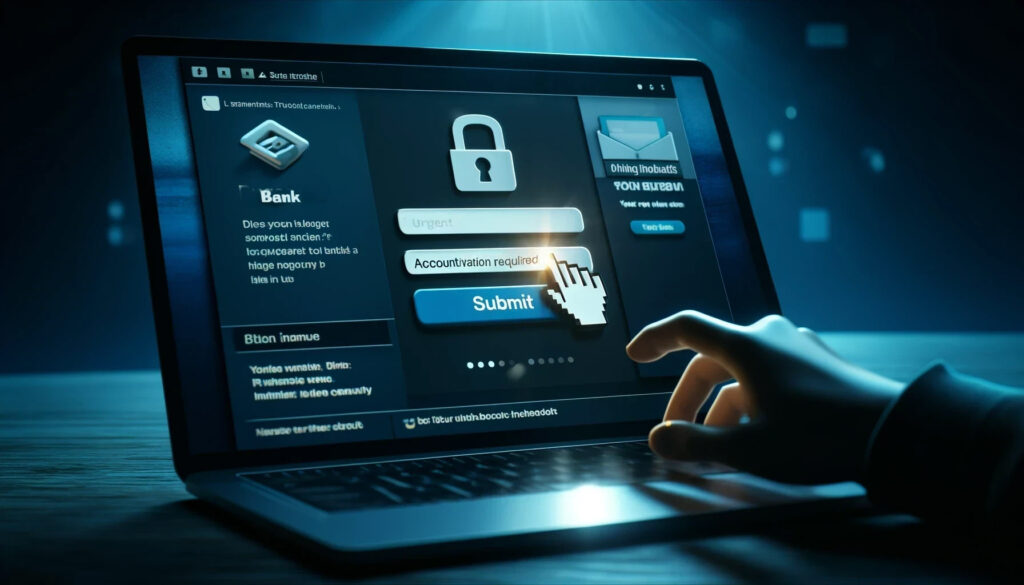
1. Distraction: The “Act Now” Trap
Scammers know that urgency clouds judgment. They bombard victims with messages like:
- “This is a flash sale—only 30 minutes left!”
- “We need to verify your payment again—click here now.”
- “We’re about to offer this to someone else unless you confirm.”
These time-sensitive messages are designed to keep you moving too quickly to think clearly—or to notice the lack of customer support, strange URLs, or poor grammar in the emails.
2. Confusion: Muddling the Details
Confusion is a scammer’s best friend. Once they have you hooked, they may:
- Send contradictory payment instructions
- Introduce multiple “representatives” you must speak to
- Change communication platforms midstream
- Create chaotic digital trails with email, phone, WhatsApp, and social media all in play
Their goal is to keep you chasing clarity while making mistakes—like paying twice or surrendering personal info.
3. Diversion: Steering You Away From Safety
When you start asking questions, scammers pivot fast:
- They push you to untraceable payment methods like gift cards, Zelle, or Venmo
- They refuse to talk on the phone or over secure platforms
- They send you to fake customer service lines where accomplices pose as agents
It’s all meant to divert you from safety protocols, like verifying a listing through the official site or using secure payment portals with fraud protection.
Make no mistake: these are not random acts. They are well-practiced scripts.
Who Gets Targeted—and How
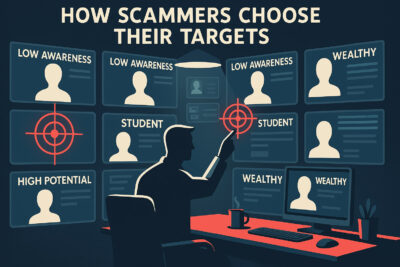 Scammers target people who are already in motion—often juggling too much or rushing to get something done:
- Young adults booking budget travel for spring or summer breaks
- Senior citizens seeking seasonal rentals or cruises
- Families looking for affordable vacation homes or moving companies
- Job seekers enticed by relocation perks from fake employers
Many scams are becoming more hyper-localized, copying details from real listings in your area or using keywords tied to recent events or attractions. If you’ve ever posted online about a move or vacation, you could be a target.
How to Stay Safe with These Tips
Here are several practical steps to avoid becoming a victim of a scammer:
✅ Use Reputable Booking Platforms
Avoid listings from social media groups, Craigslist, or unknown third-party sites. Stick to well-known brands with verified reviews and secure payment systems.
✅ Reverse-Search Images and Listings
If something seems too perfect, Google the property address and check for duplicates or mismatches across platforms. Recycled photos and listings are a dead giveaway.
✅ Never Pay With Untraceable Methods
Gift cards, wire transfers, and instant payment apps like Venmo or Zelle offer zero buyer protection. Use credit cards whenever possible for fraud protection.
✅ Look for Pressure Tactics
A legitimate agent or rental manager will not pressure you into immediate payment or ask you to switch communication platforms midstream.
✅ Listen to Your Instincts
If your gut says it’s fishy—it probably is. Stop, verify, and ask questions.
What To Do If You’ve Been Scammed
If you suspect fraud or realize you’ve been tricked, don’t stay silent. Take immediate action by reporting the incident to:
- The BBB Scam Tracker
- The Federal Trade Commission
- Your local law enforcement agency
- Your State Attorney General’s office
And if you’ve experienced financial loss, identity theft, or contract issues as a result of a scam, contact our law firm. We can help you understand your rights, pursue possible remedies, and take action to protect others from falling victim.
Final Thoughts
Scammers don’t just want your money—they want your attention, your trust, and your momentary lapse in judgment. They use deception layered with urgency, misdirection, and digital sleight of hand.
The more you know, the harder you are to fool.
So the next time something seems too good to be true, don’t just pause—scrutinize it. Verify it. And when in doubt, don’t hesitate to ask for help.
Disclosure: This article is intended for informational purposes only and should not be considered legal advice. Images included are used for illustrative and artistic purposes only and do not depict actual individuals, events, or specific locations.
_______________________________
Led by attorneys J. Andrew Meyer and Michael D. Finn with over 75 years of combined legal experience. The Finn Law Group is a national consumer protection firm. If you feel you need the services of an attorney, please contact our office for a free consultation in office or by phone. Call us today at 855-FINN-LAW. Be sure to follow us on Twitter X for more on consumer protection related issues.