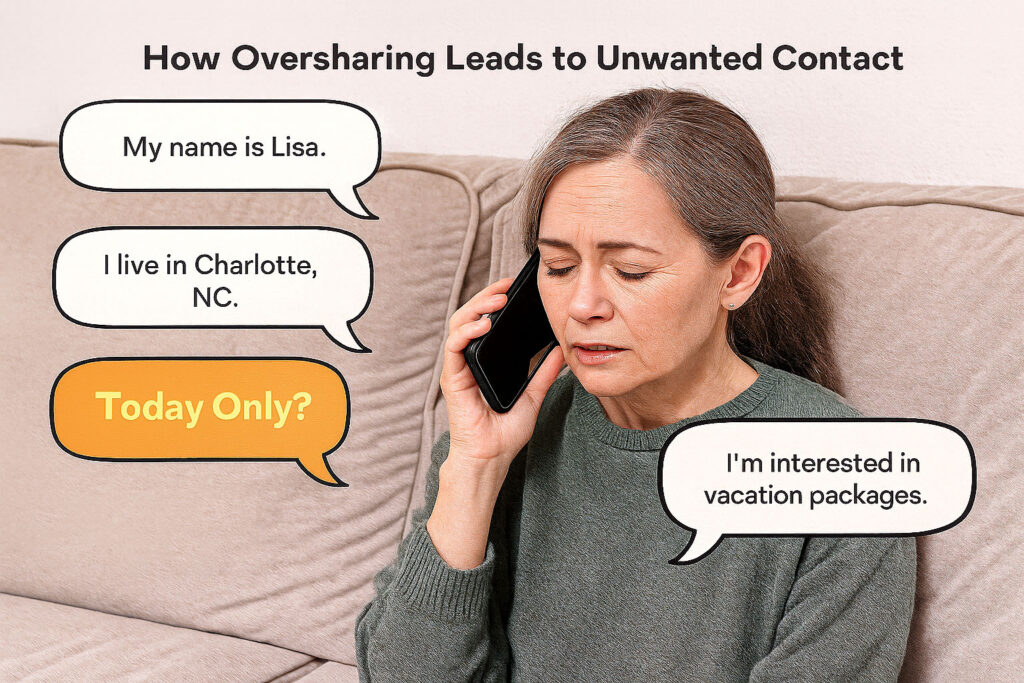
How Oversharing Leads to Unwanted Contact
 A Simple Click Can Lead to Endless Calls
We’ve all done it — filled out a form online for a coupon, a sweepstakes entry, or a quick price comparison. It feels harmless in the moment. But what happens next isn’t always so harmless. That little bit of personal information can end up in the hands of telemarketers, triggering a flood of calls you never wanted.
These calls are more than just a daily annoyance. Many cross the line into “unwanted contact” — and under the Telephone Consumer Protection Act (TCPA), that can be a legal violation.
What Is “Unwanted Contact”?
“Unwanted contact” refers to communications — often sales calls — that you never agreed to receive. This can look like:
- Live calls from salespeople pushing products or services you never asked about
- Robocalls with prerecorded or automated messages
- Calls that appear to be “follow-ups” to inquiries you never made
If you’ve never done business with the caller — and especially if your number is on the Do Not Call Registry — many of these calls aren’t just irritating, they’re illegal.
How Oversharing Helps Telemarketers
 Here’s how everyday online activity can set the stage for these unwanted calls:
- You fill out forms. Sweepstakes entries, coupon offers, or quote requests often ask for your phone number.
- The fine print allows sharing. Buried in the terms may be language giving permission to sell or share your data.
- Your information gets sold. Telemarketers purchase lists that include your phone number and personal details.
- The calls begin. You’re suddenly fielding calls you never signed up for.
The FTC highlighted one case where a company, Citizens Disability, gathered consumer information from websites offering coupons or sweepstakes. They then used that data to make millions of illegal calls, even falsely claiming to be responding to Social Security disability benefit inquiries.
Why It’s a Legal Problem
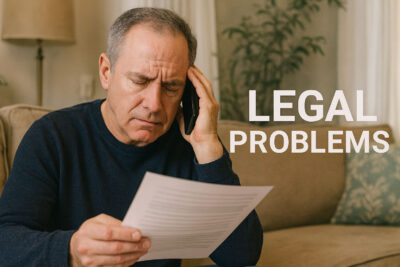 Unwanted telemarketing calls aren’t just disruptive — they often violate consumer protection laws.
- Do Not Call violations: If your number is registered, companies with no prior relationship cannot legally call you.
- Robocalls without consent: Automated calls made without your permission are generally unlawful.
- Deceptive practices: Misleading consumers by pretending to follow up on inquiries you never made crosses legal boundaries.
These are not minor inconveniences — they are actionable violations under the TCPA. Victims may be entitled to statutory damages, which means companies can be held financially accountable for disregarding consumer rights.
At Finn Law Group, we’ve seen firsthand how these unwanted calls create more than frustration — they cause stress, confusion, and sometimes financial harm. That’s why it’s so important to recognize your rights and take steps to enforce them.
Ways to Protect Yourself Against Unwanted Contact
You’re not powerless. Here are steps that can make a difference:
- Be selective about where you share information. Research sites before submitting your details.
- Register with the Do Not Call Registry. This makes many unsolicited calls automatically unlawful.
- Report violations. File complaints at DoNotCall.gov or directly with the FTC.
- Limit oversharing. The less personal information floating around, the harder it is for telemarketers to reach you.
Final Thoughts
 If you’ve felt overwhelmed by telemarketing calls, you’re not alone. It can feel like your privacy has slipped out of your control — and that’s frustrating. But remember, your time and peace of mind matter, and the law is on your side.
By staying cautious about where you share your details, knowing your rights under the TCPA, and reporting violators, you’re not only protecting yourself — you’re helping build accountability across the industry. Every report, every action taken helps curb abusive practices.
The FTC’s article on Unwanted Contact is a valuable resource to understand how these calls happen and what you can do about them. And if you’ve been subjected to persistent or unlawful calls, know that these are more than irritations — they’re violations of your rights. Taking action isn’t just possible, it’s powerful.
Disclosure: This article is for informational purposes only and should not be taken as legal advice. Any images used are for illustrative purposes only and do not depict actual individuals, events, or locations.
At Finn Law Group, we know how disruptive unwanted telemarketing calls can be. Beyond the annoyance, many of these calls violate the Telephone Consumer Protection Act (TCPA) — a law meant to safeguard your privacy.
Aggressive sales tactics, deceptive claims, and illegal robocalls can leave consumers — especially seniors — feeling pressured, misled, or powerless.
Our mission is simple: stand up for victims, hold telemarketers accountable, and restore peace of mind when constant calls make life unmanageable.
Led by timeshare attorneys J. Andrew Meyer and Michael D. Finn, who bring more than 75 years of combined legal experience, Finn Law Group is a national consumer protection firm dedicated exclusively to Timeshare Law. If you or someone you love has been impacted by a timeshare scam or senior-targeted fraud, reach out to us at 855-FINN-LAW for experienced legal guidance.
To stay informed on consumer protection issues and ongoing timeshare-related developments, follow us on X (formerly Twitter) for updates and insights.