How Long Do Collectors Have to Validate Debt?
When a debt collector contacts you, it can be unsettling — especially if you don’t recognize the debt or question its accuracy. For many consumers, that first phone call or letter sparks confusion, frustration, or even fear. Fortunately, both federal and Florida laws give you the right to demand proof before you pay. Knowing how and when to exercise that right can protect you from paying debts you don’t owe and help you hold collectors accountable.
Your Right to Debt Validation
The process of debt validation exists to protect consumers from unfair or mistaken collection efforts. Under the Federal Fair Debt Collection Practices Act (FDCPA (§ 1692g(a)) debt collector must send you a validation notice within five days of first contacting you.
That notice must include:
The amount of the debt,
The name of the original creditor, and
A statement explaining your right to dispute the debt within 30 days.
This 30-day window is your opportunity to act. If you send a written dispute or request for validation during this period, the collector must stop all collection activity until they can verify the debt in writing. Verification typically includes proof of debt. Documents showing you’re legally responsible for the debt and amounts, such as a copy of a signed agreement, billing records, or a judgment. A collector cannot simply restate the amount owed or rely on vague summaries. (per CFPB guidance and cases like Clark v. Capital Credit & Collection Servs., 460 F.3d 1162 (9th Cir. 2006)
The Federal Rule: The 30-Day Period
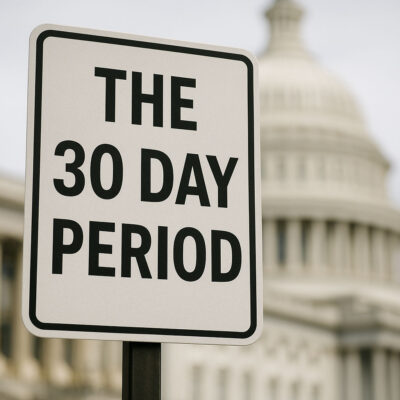 Federal law is clear: consumers have 30 days from the date they receive the validation notice to request verification. During that time, the collector must pause all calls, letters, and reporting activity until it can provide proof.
If a collector continues to pursue payment without verification, that’s a potential violation of the FDCPA — one that can carry penalties and give you the right to seek damages in court.
Consumers can report violations to the Federal Trade Commission (FTC) or the Consumer Financial Protection Bureau (CFPB), but enforcement is also available through private legal action.
Florida’s Law: Additional State-Level Protections
 In Florida, consumers are protected not only by federal law but also by the Florida Consumer Collection Practices Act (FCCPA). While the FDCPA applies to third-party collectors, the FCCPA goes a step further — it also applies to original creditors, such as banks, lenders, and medical providers attempting to collect their own debts.
Under the FCCPA:
Collectors cannot harass, threaten, or mislead you.
They must provide truthful and accurate information about the debt.
They are prohibited from communicating at unreasonable hours or with third parties about your debt.
Although Florida law doesn’t specify a unique timeline for debt validation beyond the federal standard, it emphasizes honesty and fair conduct. Any attempt to collect a debt without first providing proper validation could violate both state and federal statutes.
Consumers can file complaints through the Florida Department of Agriculture and Consumer Services (FDACS), which enforces the FCCPA, or take direct legal action for damages.
What to Do When You’re Contacted
If a collection agency contacts you, follow these steps to protect yourself:
Request written communication. Avoid verbal agreements or promises over the phone. Ask for the required written validation notice.
Review the notice carefully. Verify the name of the creditor, the amount owed, and the date of the alleged debt.
Send a written request for validation within 30 days. Use certified mail with return receipt to document your request.
Wait for written proof before making payment. Do not send money until the collector provides adequate verification.
Once you request validation, all collection efforts must pause until the collector responds. If they continue calling or reporting the debt to credit bureaus without proper verification, they may be breaking the law.
When Collectors Don’t Follow the Law
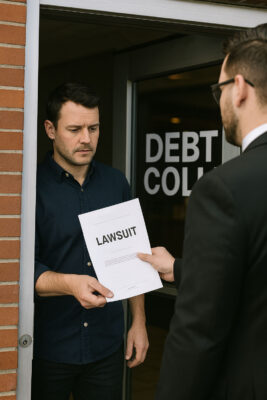 Collectors who ignore validation requests, misrepresent information, or attempt to intimidate you are not just being unethical — they may be acting illegally. Both the FDCPA and FCCPA give consumers the right to pursue claims against abusive or noncompliant collectors.
A successful claim may entitle you to recover damages, attorney’s fees, and court costs. More importantly, holding collectors accountable helps protect not only your financial standing but also your peace of mind.
The Final Step: Seek Legal Counsel
If you’re facing aggressive collection tactics, disputed debts, or unanswered validation requests, the final and most important step is to speak with an experienced consumer protection attorney.
A qualified consumer attorney can:
Review your documentation,
Determine if the collector has violated federal or state law, and
Help you take legal action to protect your rights.
Dealing with debt collectors can feel overwhelming, but you don’t have to face it alone. An attorney can ensure the process stays fair — and that your rights under both the FDCPA and FCCPA are fully enforced.
Disclosure: This article is not intended as legal advice. Always seek counsel on individual circumstances related to debt collection and validation.
At Finn Law Group, we focus on helping consumers navigate the complicated world of debt and financial obligations. Debt relief laws, creditor practices, and federal regulations often overlap in ways that leave people confused or vulnerable. Our role is to protect your rights, explain what your options really mean, and bring clarity to a system that too often feels stacked against those already struggling with debt.
Led by attorneys J. Andrew Meyer and Michael D. Finn with over 75 years of combined legal experience. The Finn Law Group is a national consumer protection firm that specializes in Timeshare Law. If you feel you need the services of a timeshare attorney, contact our law firm today at 855-FINN-LAW. Want to learn more on timeshare related issues? Follow us on X formally Twitter.