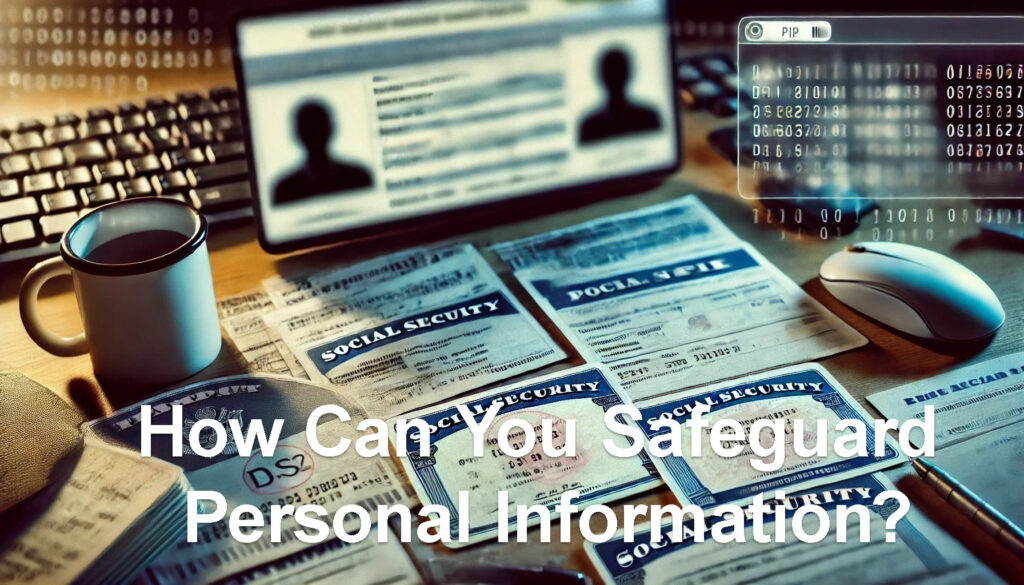
How Can You Safeguard Personal Information?
In a world where data breaches are becoming increasingly common, safeguarding our personal information is more critical than ever. The recent exposure of data theft affecting 2.9 billion individual records highlights the severity of this issue. Full names, addresses, and Social Security Numbers (SSNs) were among the sensitive details leaked, posing significant risks to those affected. Understanding and addressing these risks is essential to protect ourselves and our loved ones.
As cybercriminals become more sophisticated, the threat to our personal identifiable information grows. These data breaches can lead to identity theft, financial loss, and emotional distress. Imagine the anxiety of knowing that your private information is in the hands of strangers with malicious intent. This reality underscores the importance of taking proactive measures to safeguard our data.
A bit of education in this area can make a significant difference. This article will outline practical steps to help you safeguard your personal information, offering peace of mind in our ever-evolving digital landscape. From ensuring your connected systems are up to date to exercising caution with email attachments, these strategies are crafted to help empower you to handle the complexities of data security with confidence.
Keeping Your Connected Systems Updated
 One of the simplest yet most effective steps in protecting your personal information is to keep your computer’s applications and operating systems up to date. Cybercriminals often target outdated software to exploit vulnerabilities, making your device an easy target for attacks. By regularly checking for updates and installing patches, you ensure that your systems are fortified against the latest threats. This practice not only enhances your security but also improves the overall performance and stability of your devices. Setting your devices to update automatically can be a convenient way to stay protected without the need for constant manual checks.
Being Cautious with Links and Websites
 Phishing attacks have recently become increasingly sophisticated, easily deceiving even the most careful individuals. These attacks often come in the form of emails that appear to be from trusted sources, luring you into clicking on malicious links.
Always exercise caution with links in emails, even if they seem to come from someone you know.
Tip: Instead of clicking directly on a link, take a moment to verify the website address independently by typing it into your browser or using a search engine to find the legitimate site. This small yet important step can prevent you from falling prey to cleverly disguised malicious sites that mimic legitimate ones. Additionally, be aware of subtle differences in URLs, such as misspellings or different domain extensions (e.g., .com instead of .net), which are common tricks used by cybercriminals.
Handling Email Attachments Carefully
Email attachments can be a hidden danger, often carrying malicious software that can compromise your devices. Cybercriminals frequently use attachments to distribute malware, which can steal your data, damage your files, or even take control of your device. Exercise caution, especially with compressed files or ZIP files, even if they appear to be from trusted sources. It’s always better to confirm the legitimacy of the attachment before opening it. Contact the sender directly using a known, trusted email address or phone number to verify the contents. Remember, it’s better to be overly cautious than to fall victim to a cyber attack.
Safeguarding Personal Information
 When submitting personal information online, always ensure the website is secure. Look for HTTPS in the URL and a padlock symbol in the browser’s address bar, which indicate that your data is encrypted. These symbols mean that the website uses Secure Sockets Layer (SSL) or Transport Layer Security (TLS) protocols to protect the information you transmit. Without these protections, your sensitive data, such as passwords and credit card numbers, can be intercepted by malicious parties. Additionally, be mindful of the amount of personal information you share online. Only provide what is necessary and avoid sharing sensitive details on public or unsecured websites. These simple checks and practices can significantly reduce the risk of your personal information being compromised.
Verifying Email Senders
Phishing emails can be highly deceptive, making it important to verify the sender’s identity before taking any action. If you receive a suspicious email, even if it appears to be from a known contact, do not click on any links or download attachments immediately. Instead, try to contact the sender directly using information from a previous legitimate email or another verified source. This verification step can help you avoid falling victim to scams designed to steal your personal data or install malware on your device. Always be cautious and take the time to confirm the authenticity of unexpected emails, especially those requesting sensitive information or urgent actions.
Staying Informed
Staying informed about the latest threats is essential for protecting your personal information. Groups like the Anti-Phishing Working Group offer valuable updates on phishing attacks and other security threats. These resources provide insights into new tactics used by cybercriminals and help you recognize potential dangers. Additionally, signing up for notifications from the United States Cybersecurity & Infrastructure Security Agency (CISA) can keep you informed about new alerts, analysis reports, and tips. Staying educated on current threats allows you to take proactive measures to safeguard your data and reduces the likelihood of becoming a victim of cybercrime.
Using Preventative Software
Installing and maintaining robust preventative software is a critical component of your cybersecurity strategy. Antivirus software, firewalls, and email filters serve as the first line of defense against malicious activities. Regularly updating these programs ensures they can effectively combat the latest threats. Antivirus software scans your device for known malware and removes it, while firewalls monitor incoming and outgoing network traffic to block suspicious activities. Email filters help prevent phishing attempts by identifying and quarantining potentially harmful messages. By using these tools and keeping them up to date, you add an essential layer of protection to your digital life.
Understanding the Bigger Picture
 The recent data breach affecting 2.9 billion people underscores the critical problem of data being layered with scraped elements to create comprehensive profiles. Cybercriminals compile personal information from various sources, building detailed profiles that can be used for identity theft, fraud, and other malicious purposes. The Personally Identifiable Information (PII) of individuals holds high value to criminals, as evidenced by the prices they command on the Dark Web. Numerous sources indicate that stolen identity credentials can be sold for prices ranging from $40 to $200. Additionally, access to entire company data breaches can be purchased for $900 to $4,500.
Social Security numbers are among the most damaging types of PII to have stolen. They can be used for a variety of fraudulent purposes and are notoriously difficult for individuals to change. The Social Security Administration highlights the severe consequences of losing a Social Security number, which can lead to extensive financial fraud and identity theft.
Final Thoughts
In a world where personal data holds immense value for criminals, remaining alert is important if your information is compromised. To protect yourself effectively, take proactive measures: keep your connected systems updated, exercise caution with links and attachments, verify email senders, safeguard your information, stay informed, and utilize preventive software. By implementing these strategies, you can significantly enhance your data security. These actions, recommended by CISA, are designed to help you connect to the digital world safely and with greater peace of mind.
Disclosure: This article is for information purposes only and is not intended as legal advice.
_____________________
Led by attorneys J. Andrew Meyer and Michael D. Finn, who bring over 75 years of combined experience, The Finn Law Group is a consumer protection firm specializing in Timeshare Law, as well as other areas related to consumer rights, fraud, and scams. Follow us on Twitter X for more on social media.