
FTC Simplifies Subscription Cancellations for Consumers
 In an effort to protect consumers from deceptive subscription practices, the Federal Trade Commission (FTC) is creating new regulations that will make it easier for people to cancel recurring services.
FTC Chair Lina Khan discussed the initiative in a recent interview with NBC News reporter Rob Wile, highlighting the need for greater transparency and fairness in subscription models.
The Challenges Consumers Face with Canceling Subscriptions
Consumers have long expressed frustration over the difficulties associated with canceling subscriptions. Common obstacles include:
- Complex Cancellation Processes: Many companies require customers to navigate through multiple web pages or menus to find the cancellation option. Some even necessitate phone calls during limited business hours, leading to long wait times or what is referred to as “doom loop.”
- Hidden Cancellation Links: The option to cancel is often buried in obscure parts of a website or app, making it challenging for users to find.
- Unexpected Fees and Penalties: Upon attempting to cancel, consumers may discover they are subject to unexpected fees or penalties designed to deter them from ending the service.
- Automatic Renewals Without Clear Consent: Some services automatically renew subscriptions without providing clear notifications or obtaining explicit consent, leading to surprise charges on credit cards or bank accounts.
- Aggressive Retention Tactics: Companies may employ high-pressure sales tactics during the cancellation process, such as offering multiple promotions or requiring explanations before allowing cancellation.
These hurdles not only cause inconvenience but can also lead to financial strain, especially when consumers are unaware of recurring charges or unable to stop them promptly.
Consumer Protection Issues Prompting Regulatory Changes
 The difficulties consumers face have raised significant consumer protection concerns, prompting federal regulators to consider new rulemaking. The FTC recognizes that such practices can:
- Erode Trust in the Marketplace: When consumers feel trapped by subscriptions, their trust in businesses and the broader marketplace diminishes.
- Distort Competition: Companies using deceptive practices gain an unfair advantage over competitors who operate transparently and ethically.
- Cause Financial Harm: Unwanted charges can accumulate, leading to financial stress and impacting consumers’ ability to manage their finances effectively.
FTC Chair Lina Khan emphasized the importance of addressing these issues, stating that the rule is designed so that if consumers signed up online, they must also be able to cancel on the same website in the same number of steps. She highlighted that the proposed rules aim to ensure that canceling a service is as straightforward as signing up for one.
The “Click to Cancel” Provision and Proposed Regulations
 The FTC’s final rule, often referred to as the “click to cancel” provision, will require businesses to simplify the cancellation process for subscriptions and memberships. Key aspects of the proposed regulations include:
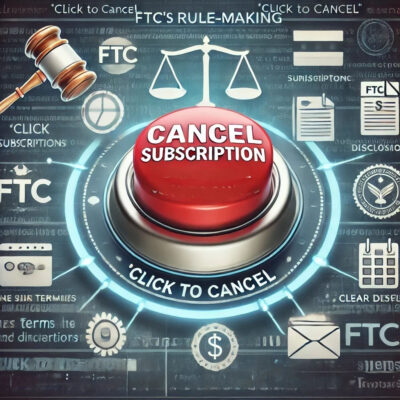
- Simplified Cancellation Methods: Businesses must provide an easy-to-find, simple mechanism for cancellation, such as a prominent “Cancel Subscription” button on their websites or apps.
- Parity in Sign-Up and Cancellation Processes: If a consumer can sign up for a service online, they should be able to cancel it online without additional steps like making a phone call.
- Clear Communication of Terms: Companies would need to provide clear and conspicuous information about the terms of the subscription, including renewal dates and how to cancel.
- Prohibition of Misleading Retention Tactics: The rules would prevent businesses from using deceptive or burdensome tactics to retain customers who wish to cancel.
Impact on Consumers and Businesses
The regulations are expected to have a significant impact on both consumers and businesses:
- Empowering Consumers: Simplifying the cancellation process will give consumers greater control over their subscriptions and finances, reducing unwanted charges and financial stress.
- Promoting Ethical Business Practices: Companies will be encouraged to improve service quality and customer satisfaction to retain subscribers, rather than relying on obstructive cancellation processes.
- Uniform Standards Across Industries: The rules will apply to various sectors, from streaming services to gym memberships, creating consistent expectations for cancellation processes.
Businesses are paying close attention to these developments. While some may need to adjust their practices, the emphasis on transparency and fairness could lead to increased consumer trust and long-term loyalty. “At the end of the day, if a business is dependent on tricking or trapping people into subscriptions, that’s not a good business model, and that’s not one that we should stand for,” Chair Khan said.
Public Response and Next Steps
 Consumer advocacy groups have largely welcomed the initiative, viewing it as an important step toward protecting consumers from exploitative practices.
Rob Wile of NBC News noted that the move comes amid growing frustration among consumers who find it excessively difficult to cancel subscriptions. The full interview with Lina Khan provides deeper insights into the FTC’s plans and the implications for both consumers and businesses.
Moving Forward
As the regulatory landscape evolves, the FTC’s commitment to protecting consumer rights remains a focal point of its agenda. The FTC regulations signify a move toward greater fairness and transparency in subscription services, aiming to empower consumers and promote ethical business practices.
Disclosure: This article is for information purposes only and is not intended as legal advice.
_________________________
Led by attorneys J. Andrew Meyer and Michael D. Finn with over 75 years of combined legal experience. The Finn Law Group is a national consumer protection firm that specializes in Timeshare Law and other consumer protection areas. If you have been victimized by a company, contact us to learn about your rights as a consumer. Call 855-FINN-LAW | Follow us on Twitter X.