Fraud Soars in Online Travel Sector
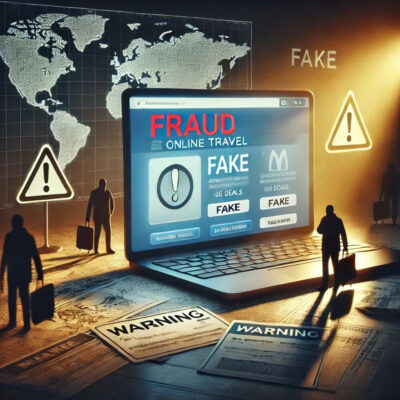 The online travel industry is seeing a sharp rise in fraud, leaving both travelers and businesses vulnerable. A recent study by Sift’s Fraud Industry Benchmarking Resource revealed that fraud incidents in this sector have doubled between late 2023 and mid-2024. This surge in criminal activity is raising red flags for consumers who rely heavily on digital platforms to book their trips.
As more travelers turn to online vacation platforms for their lodging and travel needs, scammers are finding new ways to exploit these systems. Fraudsters are becoming increasingly sophisticated, targeting individuals and companies alike, making it essential for consumers to be cautious when booking online. Whether it’s fake travel sites, phishing schemes, or payment scams, this uptick in fraudulent activity highlights the growing risks in the travel industry.
Doubling of Payment Fraud: What the Numbers Reveal
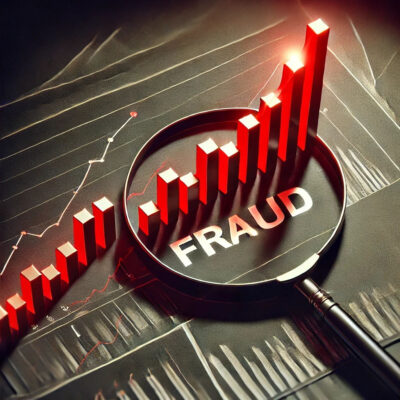 Sift’s findings underscore the rapid escalation of fraud, with online travel and lodging businesses becoming increasingly vulnerable. As e-commerce platforms and mobile apps simplify the process of booking travel and accommodations, cybercriminals are exploiting these advancements to commit payment fraud. The report highlights that the doubling of fraud in less than a year points to weaknesses in existing security measures and a growing need for more advanced fraud prevention strategies.
Amy Nofziger, director of victim support at the AARP Fraud Watch Network, shared valuable insight on the growing threat of travel scams during an interview with HuffPost.
“Travel scams have always been around, but with the surge of ‘revenge travel’ post-COVID, criminals are finding more ways to exploit people’s desire to travel,” Nofziger explained. “As we’re all glued to our phones 24/7, scammers have more access to us than ever before, using text messages, emails, and social media to target potential victims.”
Factors Contributing to the Spike in Fraud
Several factors have contributed to this surge in fraudulent activity. These include:
- Increased Digital Transactions: As more people turn to online booking for travel and lodging, the volume of transactions has grown, creating more opportunities for fraudsters to strike.
- Use of Stolen Payment Methods: Fraudsters often use stolen credit card information or exploit vulnerabilities in payment gateways to complete unauthorized transactions.
- Sophisticated Fraud Techniques: Cybercriminals are using more sophisticated methods, such as account takeovers and phishing scams, to trick consumers and businesses into compromising their personal information.
Impact on Consumer Safety
 The rise in payment fraud is especially concerning for consumers, who are often the most affected. Fraudulent transactions can lead to the immediate loss of money through unauthorized charges, which can be frustrating and difficult to resolve. Even more worrying is the threat of identity theft, where personal details are stolen and used in further scams, potentially causing long-term harm to a person’s credit. This can make it harder to get loans, rent housing, or even secure a job.
Beyond the financial burden, the emotional toll on consumers is significant. The stress, anxiety, and sense of vulnerability that come with being a fraud victim can be overwhelming. As fraudsters become more advanced in their tactics, consumer safety must be prioritized to protect individuals in today’s increasingly digital world.
Combatting Payment Fraud in the Travel Industry: Prioritizing Consumer Protection
 As payment fraud continues to rise, it’s clear that consumers need stronger protection, yet many companies in the travel and lodging industry have been slow to react. While advanced security measures like multi-factor authentication, AI-driven fraud detection tools, and regular system updates are available, many businesses have been hesitant to fully embrace these solutions, leaving consumers more vulnerable. This lag in adopting robust security protocols has created gaps that cybercriminals readily exploit, putting consumers at greater risk of having their personal and payment information compromised.
However, consumers can’t bear the burden of protection alone. While consumer education is critical—empowering individuals to recognize phishing schemes and avoid common traps—it’s equally important for businesses to step up their efforts. Companies must take proactive steps to enhance security and address vulnerabilities before fraud occurs, rather than reacting after the fact. The responsibility lies with the industry to protect their customers’ sensitive information, and as payment fraud evolves, this urgency becomes more pressing. Until businesses prioritize consumer protection at the forefront of their operations, the risks will continue to grow.
Final Thoughts: Protecting Consumer Rights
Consumers have essential rights when it comes to payment fraud, including the ability to dispute unauthorized charges under laws like the Fair Credit Billing Act (FCBA) and the Electronic Fund Transfer Act (EFTA). Acting quickly to report fraud can often lead to reimbursement for financial losses. Additionally, when businesses fail to protect consumer data, there may be grounds for legal action to recover damages. Ultimately, understanding and exercising these rights is key to safeguarding personal information and financial security in an increasingly digital world.
Disclosure: This article is for information purposes only and is not intended as legal advice.
_________________________________________________________
Led by timeshare attorneys J. Andrew Meyer and Michael D. Finn with over 75 years of combined legal experience. The Finn Law Group is a national consumer protection firm specializing in timeshare law. If you have a question about your legal rights, call us for a free consultation at 855-FINN-LAW or email us for an appointment at contact@finnlawgroup.com | Follow us on Twitter X.