
If you stop paying your Florida timeshare, the developer can initiate foreclosure. This process strips you of your use rights and can leave you liable for the money you still owe. This page explains how Florida timeshare foreclosure law works, the difference between judicial and nonjudicial foreclosure, and what you can do to protect yourself.
What Happens When You Stop Paying a Florida Timeshare?
When you stop making payments on a Florida timeshare, the developer may report the delinquency to the credit bureaus and may assess late fees, interest, collection costs, or other charges permitted under your agreement. The developer may also begin collection efforts and, depending on the circumstances, pursue foreclosure.

Foreclosure is the developer’s legal tool to take back the property when an owner defaults. It is not a voluntary cancellation. You cannot use the rescission window to escape a foreclosure action. If you are facing foreclosure, you need a strategy that addresses the existing debt, not a simple cancellation request.
Can a Timeshare Be Foreclosed on in Florida?
Yes. When you stop making payments on your Florida timeshare, the developer has the right to take back the property. Florida timeshare foreclosure law gives the developer the option to terminate your interest. You do not have the same right to initiate foreclosure against the developer. The developer can pursue this through a court proceeding or at their own discretion.
The developer chooses the path based on what they want to achieve. If they only want the property back, they may use a nonjudicial process. If they want the money you still owe, they must go through the courts.
What Is the Difference Between Judicial and Nonjudicial Timeshare Foreclosure?
The way the developer takes back your timeshare depends on the method they choose.
In a judicial foreclosure, the developer files a lawsuit in court. You are named as a defendant and must be served with the complaint. This formal legal proceeding allows the developer to do more than just take back the property. If the developer wants to pursue you for the money you still owe, they must use the judicial route. The court will review the case, and if the developer wins, they can obtain a money judgment against you.
In a nonjudicial foreclosure, the developer acts at their discretion without starting a formal court case. This option is generally more consumer-friendly. The developer is limited to simply taking back the timeshare property. They cannot pursue you for monetary damages through this path. Once they take the property back, the debt is usually considered satisfied under this specific method.
Can the Developer Sue for Money Owed After Foreclosure?

If the developer chooses the judicial foreclosure path, they can absolutely sue you for the balance you still owe. This often happens when you financed your timeshare purchase from the developer. The developer can seek a money judgment against you in court for the unpaid loan balance, plus interest and court costs.
A nonjudicial foreclosure does not allow the developer to pursue you for the remaining debt. They can only take back the property interest. If you want to avoid a lawsuit and a money judgment, you must resolve the debt before the developer files a judicial foreclosure action.
What Happens to Your Timeshare After Foreclosure?
Once the foreclosure process is complete, your use rights are stripped away. The developer takes the property back. You are no longer responsible for future maintenance fees or annual assessments tied to the interval. However, if the developer pursued a judicial foreclosure and won a money judgment, you will still owe the original loan balance.
The developer can also take steps to collect that judgment. They may garnish your wages, levy your bank accounts, or place a lien on other property you own. This can last for years until the debt is paid or the statute of limitations expires.
How Can Foreclosure Affect Your Credit?
A timeshare foreclosure can damage your credit score significantly. The developer will report the delinquency and the foreclosure to the major credit bureaus. This stays on your credit report for years and makes it harder to get loans, credit cards, or even rent an apartment.
If the developer sues you and wins a money judgment, the judgment itself becomes a public record. It will appear on your credit report and can follow you for a long time. Lenders will see the judgment and view you as a high-risk borrower. This makes it much more expensive to borrow money in the future.
Steps to Resolve a Florida Timeshare Foreclosure
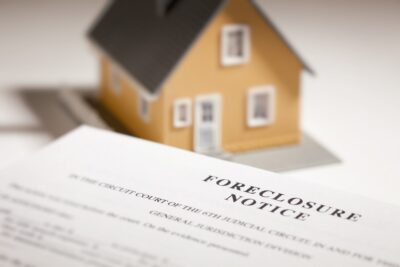
You have a few options to stop or resolve a Florida timeshare foreclosure before it reaches the point of no return.
First, you can pay off the loan balance and bring all maintenance fees current. Some developers will then grant a membership take-back, but only if every financial obligation is paid.
Second, you can explore a voluntary surrender or deed-back program. The developer may accept the property back at their discretion, but they are not required to do so.
Third, you can contact a licensed attorney. An attorney can review your contract and the closing documents to see if you have a legal basis to challenge the debt or negotiate a resolution. A timeshare attorney understands timeshare cancellation law in florida and can act as your bar-regulated representative.
If you need help navigating these options, you can review our Timeshare Attorney FAQs or learn more about Consumer Protection Law in our practice areas. For a broader look at how developers handle The Timeshare Foreclosure Fiasco, you can read our dedicated guide. If you are exploring Timeshare Cancellation options, keep in mind that foreclosure is a different legal process.
Timeshare Rescission vs. Foreclosure
It is important to distinguish foreclosure from voluntary cancellation. If you recently purchased your timeshare, you may still be within the timeshare rescission period. Florida law gives you a 10-day window to terminate your newly purchased timeshare interest by sending a written timeshare cancellation letter to the developer. This is your right under timeshare cancellation law.
Foreclosure is different. It happens when you stop paying after the rescission period has passed. You cannot use the rescission window to escape a foreclosure action. If you are facing foreclosure, you need a strategy that addresses the existing debt, not a cancellation request.
Frequently Asked Questions About Timeshare Foreclosure in Florida
Q: What happens when you stop paying a Florida timeshare? A: The developer can initiate foreclosure to take back the property. You will also face late fees, increased maintenance charges, and damage to your credit score.
Q: Can a timeshare be foreclosed on in Florida? A: Yes. Florida timeshare foreclosure law allows the developer to terminate your interest and take back the property through judicial or nonjudicial proceedings.
Q: What is the difference between judicial and nonjudicial timeshare foreclosure? A: Judicial foreclosure involves a court lawsuit and allows the developer to sue you for the money you owe. Nonjudicial foreclosure is a discretionary process where the developer only takes back the property without pursuing monetary damages.
Q: Can the developer sue for money owed? A: The developer can only sue you for the remaining loan balance if they pursue a judicial foreclosure. A nonjudicial foreclosure limits them to taking back the timeshare interest only.
Q: How can foreclosure affect your credit? A: A foreclosure is reported to credit bureaus and stays on your report for years. It lowers your credit score and can lead to wage garnishment or bank levies if the developer wins a money judgment.
Q: Can you avoid or resolve a timeshare foreclosure? A: You can pay off the balance, request a developer take-back, or consult a licensed attorney. An attorney can review your contract and explore legal defenses or negotiation strategies.
What to Do Next
If you are cancelling a timeshare contract in florida or facing foreclosure, you need a strategy that addresses the existing debt. You can also read about how Florida Passes Law to Reform Timeshare Management or how Florida Timeshare Owners Gain New Protections to stay informed. If you need to cancel timeshare in florida due to financial hardship, an attorney can review your timeshare purchase contract for legal defenses.
Finn Law Group specializes in consumer protection and timeshare law. We can help you understand your rights under Florida timeshare foreclosure law and explore your options. Contact Us to schedule a consultation.