Developers Are Cracking Down on Timeshare Rentals
 For years, one of the most compelling selling points in the timeshare and vacation membership sales presentation was the potential to offset rising maintenance fees by renting out unused time. Sales representatives, often guided by scripts and glossy visuals, would walk prospective buyers through scenarios showing how renting their timeshare weeks or points could help neutralize the burden of annual costs.
In fact, some even presented this strategy as a sound “investment opportunity,” using historical rental data and third-party platforms as informal endorsements.
But the landscape is changing—and fast.
From Promises to Prohibitions
During the high-pressure sales process, many buyers were led to believe that their vacation membership offered flexibility and income potential. In practice, this “pencil-pitch” promise has created confusion, especially as developers now take more aggressive stances to limit or eliminate third-party rentals.
The disconnect? The original contracts rarely, if ever, guaranteed rental rights. And while salespeople may have painted a picture of passive rental income, developers are now leaning on the legal fine print to justify their clampdowns.
Developers Push Back on Rentals
 In recent months, high-profile vacation ownership companies like Disney Vacation Club (DVC) have made headlines for their tougher policies on rentals. As reported by DisneyDining.com, DVC is actively identifying members who rent their points through third-party platforms—sometimes threatening to suspend or terminate member privileges. The new member terms and conditions that just went into effect, state:
You agree that any reservations made under your membership are solely for personal use and not for commercial purposes, as required by governing documents for each DVC Resort, including but not limited to the Declaration of Condominium and Membership Agreement. DVCM reserves the right to interpret personal use and determine if reservations are booked for personal or commercial purposes in its sole discretion.
Personal use may include enjoying the benefits of a DVC Membership with family or allowing use of any reserved Vacation Home to friends and family on occasion. Additionally, personal use means that the member does not regularly or frequently rent/sell reservations booked using their membership.
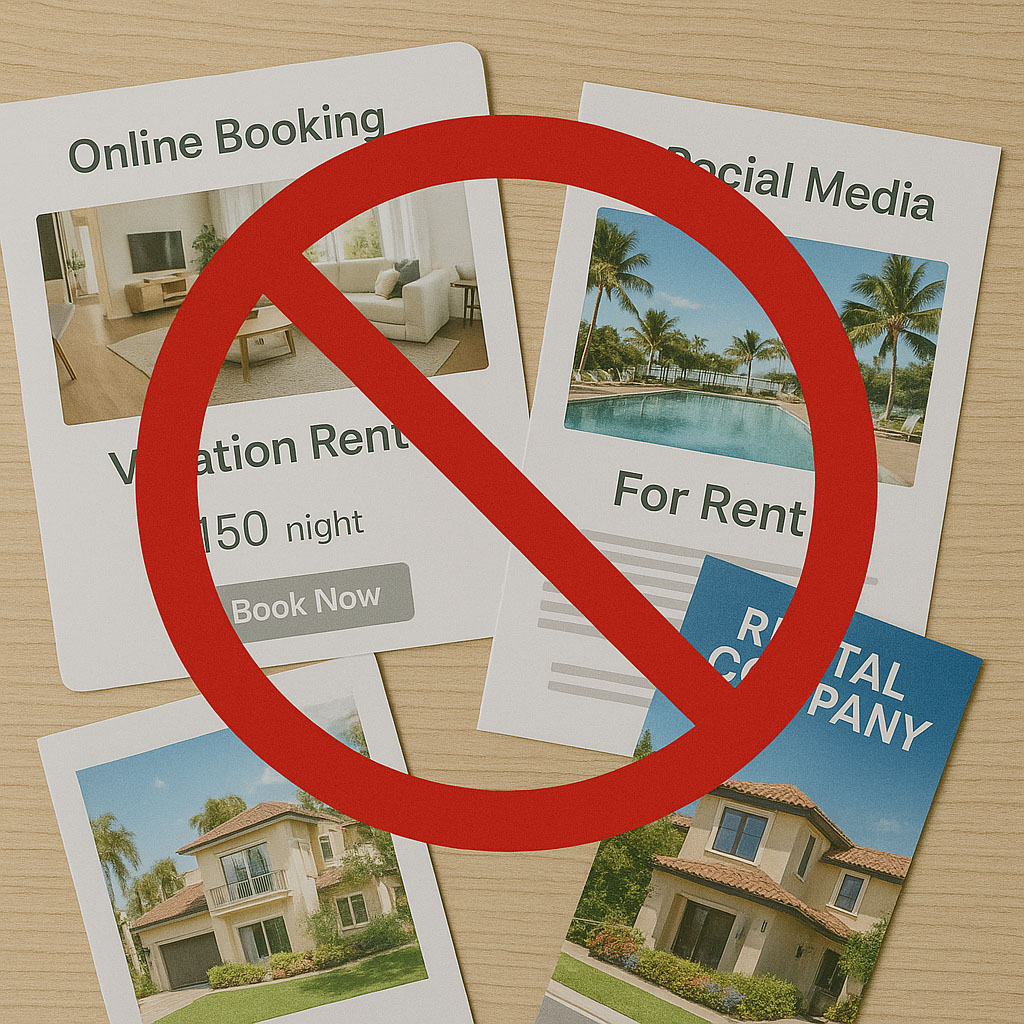
This trend isn’t limited to Disney. Other large developers have either revised their rules or taken steps to block rental activity through online booking engines, identity verification systems, and restrictive terms and conditions.
Why the Shift on Rentals?
 There are several motivations behind the crackdown:
- Brand Control: Developers argue that unauthorized rentals diminish the resort experience and dilute brand standards.
- Revenue Protection: Every third-party rental potentially represents a lost revenue opportunity for the developer. By renting out their own unused inventory, developers earn income through direct bookings and additional service fees. But when owners or outside brokers fill those same rooms independently, the developer loses both revenue and control of the guest experience.
- System Abuse: Developers assert that third-party rental agents exploit the structure of point-based systems by leveraging higher-tier memberships to access premium locations and room categories ahead of regular members. These preferred bookings—often during peak seasons—are then resold for profit, turning what was marketed as a personal vacation benefit into a commercial enterprise that disadvantages everyday owners.
Yet many owners argue that developers are trying to rewrite the rules—after promoting rentals as a key benefit during the original sales process. Owners were shown how to rent, given tools and guidance, and in some cases encouraged to see their ownership as a financially offsetting asset. The current reversal feels like a breach of trust to many who bought in based on those promises.
The Legal Gray Area
 Many timeshare owners don’t fully realize they’re entering into a complex and highly regulated legal relationship. Unlike traditional real estate, timeshare ownership is governed by layers of documents—such as declarations, membership agreements, and rules and regulations—that outline and often limit usage rights.
While sales representatives may make enticing oral promises during presentations, these statements are typically disclaimed in the fine print. Most contracts include clauses that explicitly prevent owners from relying on anything not included in the written agreement.
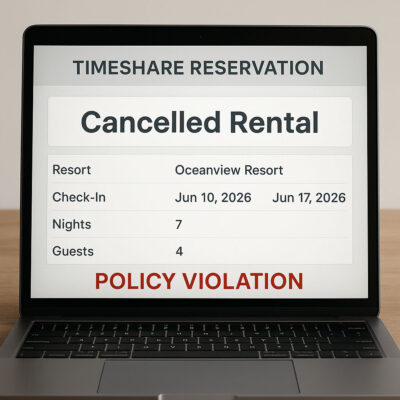
As developers enforce new restrictions on timeshare rentals, owners are discovering the consequences can be severe:
- Suspension of booking privileges
- Loss of “Home Resort” priority
- Forfeiture of timeshare points or even contract termination
This shift marks a stark contrast from what many timeshare owners were led to believe at the time of purchase. For families who counted on rental income to help offset rising maintenance fees, the crackdown can feel like a classic bait-and-switch—where a once-promoted benefit is now treated as a violation.
What Owners and Members Can Do?
If you’re a timeshare owner or member concerned about your rights, here are some recommended steps:
- Review Your Timeshare Contract: Don’t rely on what was said in the sales room. Know what your contract allows.
- Consult a Timeshare Attorney: Terms and conditions are designed to be legally binding. A timeshare attorney can help you understand your options.
- Be Cautious with Rentals: If you do rent, understand the risks and whether your developer explicitly prohibits it.
- Monitor Policy Changes: Developers often notify members via newsletters or online portals. These changes can have major consequences.
Final Thoughts on Timeshare Rentals
The timeshare industry is evolving, and owners are feeling the impact of tighter restrictions and shifting rules. What was once sold by many timeshares as a flexible, income-generating vacation plan is now being redefined by the very companies that marketed it. As a result, owners must remain informed, and prepared to stand up for their rights—especially when the promises of the past no longer match the policies of the present.
Disclosure: This article is intended for informational purposes only and should not be considered legal advice. Images included are used for illustrative and artistic purposes only and do not depict actual individuals, events, or specific locations.
____________________________________
Led by timeshare attorneys J. Andrew Meyer and Michael D. Finn with over 75 years of combined legal experience. The Finn Law Group is a national consumer protection firm that specializes in Timeshare Law. If you feel you need the services of a timeshare attorney, contact our law firm today at 855-FINN-LAW. Want to learn more on timeshare related issues? Follow us on X.