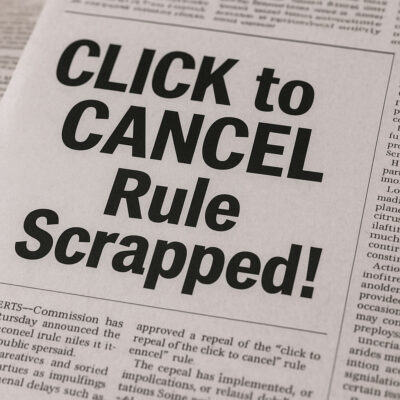
Click-to-Cancel Rule Scrapped
 What Was the Click-to-Cancel Rule, and Why It Mattered to Consumers
The Click-to-Cancel rule, introduced by the FTC, was meant to make your life easier. It required companies offering subscription services—like streaming platforms, monthly product boxes, and memberships—to provide simple, one-click cancellation methods. This was a significant step to protect you from confusing cancellation processes and unexpected charges. The rule emphasized clear disclosure of terms and conditions, so you could fully understand what you were signing up for and how to end it easily.
Why the Court Overturned This Important Protection
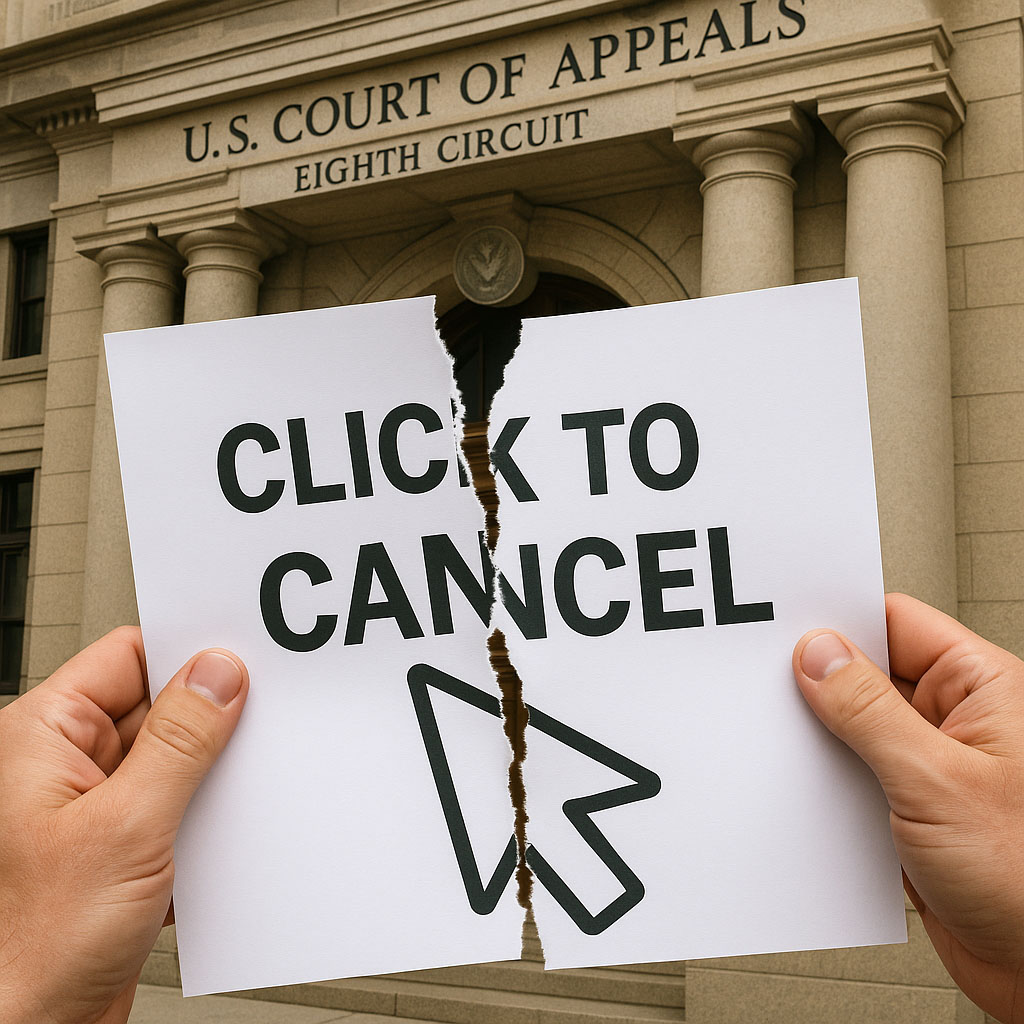
Unfortunately, just days before it was set to take effect, the Click-to-Cancel rule was overturned by the U.S. Court of Appeals for the Eighth Circuit. This ruling came as a result of procedural issues—primarily, the FTC didn’t perform an essential economic impact analysis required by law for significant regulations.
The court recognized the good intent behind the rule but emphasized that the process used to create it wasn’t sufficient under existing regulatory standards. This decision can understandably cause frustration, especially if you’ve previously struggled to cancel subscriptions or faced unauthorized charges.
What This Means for You as a Consumer
 Without the Click-to-Cancel rule, you’re back to dealing with potentially confusing cancellation policies. However, you aren’t entirely without protection. Existing laws, like the Restore Online Shoppers’ Confidence Act (ROSCA), the Telemarketing Sales Rule, and Section 5 of the FTC Act, still hold businesses accountable for deceptive or unfair subscription practices.
Additionally, several states—including California, New York, Massachusetts, and Vermont—have strong subscription laws that provide clear consumer protections. It’s important for you to know your rights under these laws to effectively defend yourself against unfair practices.
Could the Click-to-Cancel Rule Be Revived?
There’s still hope for the rule’s return. The FTC has options such as appealing the court’s decision or restarting the rulemaking process, this time carefully addressing the court’s concerns. Moreover, there’s political momentum building behind the Click-to-Cancel Consumer Protection Act, which aims to solidify these protections through federal legislation. Lawmakers and consumer advocacy groups recognize the difficulty consumers face, and they are actively working to bring these protections back into place.
What Steps Can You Take Now?
 In the meantime, remain cautious with existing and new subscriptions. Always carefully review terms and conditions before signing up, and document every subscription and cancellation attempt. If you encounter difficulties canceling a subscription, immediately report the issue to the FTC or your state attorney general. Sharing your experience through consumer advocacy platforms and social media can also amplify your voice and help drive necessary changes in policy and company practices.
As a Last Resort, Consult a Legal Professional
If you’ve exhausted efforts to resolve your subscription issues through direct company communication and administrative complaints, consider seeking advice from a legal professional. Attorneys specializing in consumer protection understand the complexities of relevant statutes and regulations. They can help you with escalated matters, advocating effectively on your behalf and ensuring your rights are fully protected.
Disclosure: This article is intended for informational purposes only and should not be considered legal advice. Images included are used for illustrative and artistic purposes only and do not depict actual individuals, events, or specific locations.
____________________________________
Led by attorneys J. Andrew Meyer and Michael D. Finn with over 75 years of combined legal experience. The Finn Law Group is a national consumer protection firm that specializes in Timeshare Law. If you feel you need the services of a timeshare attorney, contact our law firm today at 855-FINN-LAW. Want to learn more on timeshare related issues? Follow us on X formally Twitter.