CFPB Dismantles Consumer Watchdog Registry
An Agency Born from Crisis
The Consumer Financial Protection Bureau (CFPB) was born out of the 2008 financial crisis, created through the Dodd-Frank Wall Street Reform and Consumer Protection Act of 2010. The goal was simple but powerful: protect ordinary Americans from abusive financial practices.
Before the CFPB, consumer protection was scattered across several agencies, each with limited authority. When the housing market collapsed and millions lost their homes and savings, lawmakers decided consumers needed a single watchdog dedicated solely to their interests. The CFPB’s mission was to ensure that financial products, from mortgages and credit cards to payday loans were fair, transparent, and accountable.
The Purpose of the “Bad Actor” Registry
One of the Bureau’s initiatives under the Biden administration was the creation of a non-bank “bad actor” registry, aimed at tracking financial companies that repeatedly broke consumer protection laws. Non-bank institutions include payday lenders, mortgage servicers, and debt collectors. These industries are often accused of abusing and exploiting consumers.
The registry’s goal was to make violations public and transparent. This tool gave state regulators, journalists, and consumers the ability to see patterns of misconduct, helping prevent companies with bad records from hiding behind rebranding or mergers. For consumer advocates, the registry symbolized a critical step toward accountability.
Regulatory Rollback
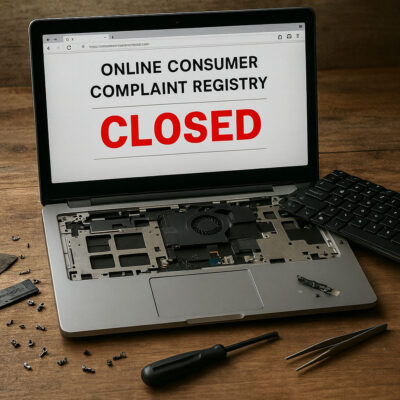 The CFPB announced online it had formally repealed the registry. The Bureau argued that the costs of maintaining it outweighed the benefits. Officials also claimed that a similar multi-state registry already existed, making the federal one redundant.
Just one day before the repeal, the CFPB also reversed guidance that had allowed states to block medical debt from consumer credit reports, further weakening consumer protections. These moves collectively represent a major shift away from the agency’s founding mission.
Industry Cheers, Consumers Left Wondering Why
 Industry groups and some state regulators quickly applauded the CFPB’s decision to scrap the registry, calling it a smart move to “cut red tape” and streamline oversight. They claimed the federal system was redundant and unnecessary.
But consumer advocates aren’t buying it. Organizations like Better Markets argue the rollback weakens protections at a time when non-bank lenders control roughly half of the U.S. lending market. Without a public record of bad actors, critics warn that repeat offenders could slip under the radar more easily, leaving consumers with fewer defenses and a lot more to lose.
What This Means for Consumers
The repeal of the “bad actor” registry means less visibility into who’s playing by the rules—and who isn’t. Consumers now have fewer ways to know whether the company handling their loan, credit card, or debt collection has a history of violations.
For everyday Americans, this could mean more risk, fewer protections, and less trust in the financial system. Transparency was one of the CFPB’s strongest tools. Without it, the balance tilts further toward industry convenience, not consumer protection.
The Bigger Picture: A Shrinking Watchdog
The CFPB was once seen as a powerful ally for consumers, capable of levying billions in fines and forcing reforms across the financial industry. But over the past several years, it has steadily lost authority through court challenges, leadership changes, and political pressure. The end of the bad actor registry is more than just a bureaucratic shift, it’s a symbol of a retreat from accountability. As power shifts back toward financial companies, consumers are left wondering: Who’s watching the bad actors?
When a Consumer Protection Attorney Is Needed
If you’re facing aggressive debt collection, suspicious loan terms, credit report errors, or a bait-and-switch on fees from bad actors, it may be time to call a consumer protection attorney. A qualified lawyer can:
- Review consumer contracts for illegal or unfair provisions
- Dispute credit reporting errors under the FCRA
- Stop harassment and pursue damages under the FDCPA
- Escalate complaints and, when warranted, file individual or class actions
With less federal oversight in view, private legal action can be the most direct way to halt abuse and recover losses.
Final Thoughts
Transparency tools like a public registry helped consumers spot patterns and avoid repeat offenders. Without them, vigilance matters more: document everything, verify lenders, check credit reports, and know when to get legal help. Consumer protection isn’t a one-time fix; it’s an ongoing effort to keep the marketplace fair and it works best when the public, the press, and the courts can all see what’s really happening.
Disclosure: This article is intended for informational purposes only and should not be considered legal advice. Images included are used for illustrative and artistic purposes only and do not depict actual individuals, events, or specific locations.
____________________________________
Led by timeshare attorneys J. Andrew Meyer and Michael D. Finn with over 75 years of combined legal experience. The Finn Law Group is a national consumer protection firm that specializes in Timeshare Law. If you feel you need the services of a timeshare attorney, contact our law firm today at 855-FINN-LAW. Want to learn more on timeshare related issues? Follow us on X formally Twitter.