Avoiding the Most Dangerous Travel Scams
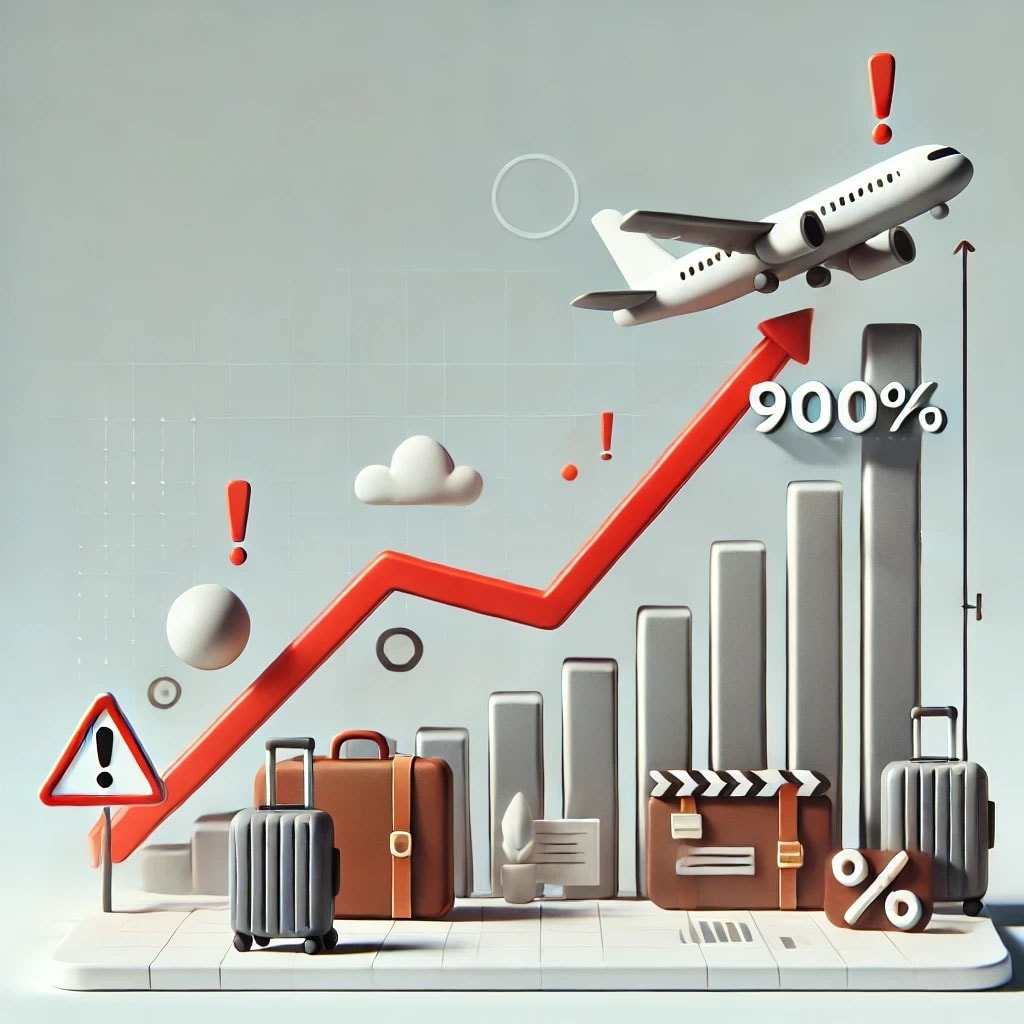
 The excitement of planning a trip can quickly turn into a nightmare if you were to fall victim to a travel scam. Recently, there has been a significant rise in these fraudulent activities, with Booking.com, one of the world’s largest online vacation rental platforms, reporting a staggering 500% to 900% increase in phishing attacks over the past year and a half. Booking.com, which facilitates over 1.5 million room nights booked every day, has observed this alarming trend as scammers exploit advancements in AI technology to create more convincing and sophisticated schemes. As a trusted platform with a vast global reach, Booking.com is issuing this consumer alert at a critical moment to help travelers stay informed and protected against these increasingly deceptive tactics. At Finn Law Group, we recognize the importance of amplifying and broadening these alerts to better serve as a consumer protection firm. This article dives jumps into the issue of avoiding the most dangerous travel scams.
The Rise of AI-Enabled Scams
 The travel industry has seen a dramatic increase in scams due to the misuse of advanced artificial intelligence (AI) tools by fraudsters. Generative AI, a technology that can create content such as text and images, is being exploited by scammers to craft highly believable phishing emails. These emails can be written in multiple languages with perfect grammar, making it increasingly difficult for travelers to distinguish between legitimate and fraudulent communications.
For consumers unfamiliar with these technological advancements, it’s important to understand that generative AI can analyze and learn from vast amounts of data, allowing scammers to create emails that closely mimic those from trusted companies.
These AI-generated emails often include authentic-looking logos, formats, and personalized information that make them appear genuine. This trend began shortly after the release of these sophisticated AI models, which have significantly improved the scammers’ ability to deceive unsuspecting travelers. As a result, even tech-savvy individuals can find it challenging to identify these scams, highlighting the need for increased awareness and caution when dealing with any unsolicited travel-related communications.
Impact on Travelers
 For many, planning a vacation is a joyful experience, filled with anticipation and excitement. It’s a time to look forward to new adventures, relaxation, and quality time with loved ones. However, the rise in travel scams has cast a shadow over this process, turning what should be a happy time into a potential minefield of deceit and loss.
Fake property listings on rental platforms like Booking.com have become more prevalent, often presenting deals that seem too good to be true. These scams prey on travelers’ desire for affordable accommodations, luring them with promises of dream stays at unbeatable prices. Unfortunately, these enticing offers are often traps set by sophisticated online scammers.
Imagine the disappointment and frustration of arriving at your destination only to find that the property you booked doesn’t exist, or that you’ve been duped out of your hard-earned money. This not only ruins the vacation but also leaves a lasting sense of betrayal and financial strain. Travelers, who are often looking for ways to make their trips more affordable, can easily fall victim to these scams, thinking they’ve found a hidden gem, only to be left without accommodation and out of pocket.
Understanding the Risks of Unsolicited Travel Offers
Most consumers are unaware of how AI can manipulate these travel scams, making it important to understand the associated risks. AI allows scammers to:
- Create Realistic Phishing Emails: AI-generated emails can look incredibly authentic, using logos, language, and formats identical to legitimate companies.
- Generate Fake Reviews and Listings: AI tools can produce fake reviews that appear genuine, tricking travelers into trusting non-existent properties or fraudulent services.
- Personalize Scams: By analyzing social media and online behavior, AI can tailor scams to individuals, making them more convincing and harder to detect.
Practical Steps to Protect Yourself
 To protect yourself from these sophisticated scams, consider the following steps:
- Use Two-Factor Authentication (2FA): Implementing 2FA on your online accounts adds an extra layer of security. While it might seem inconvenient, it is a highly effective way to prevent unauthorized access to your personal information.
- Verify Communications: Be wary of any emails or messages that request sensitive information or prompt you to click on links or download attachments. If an email appears suspicious, contact the service provider directly through official channels to verify its authenticity.
- Check Property Listings Carefully: Before booking a property, conduct thorough research. Look for reviews from other travelers and verify the property’s details on multiple platforms. If a deal seems unusually cheap compared to other properties in the area, it could be a red flag .
- Stay Informed: Keep yourself updated on the latest scam tactics by following consumer protection news and updates from reliable sources. This knowledge can help you recognize potential scams and avoid falling victim to them.
Support for Victims of Travel Scams
The emotional impact of falling victim to a travel scam should not be underestimated. The financial loss is significant, but the feelings of betrayal, violation, and even shame can be even more profound. It’s important to recognize that anyone can be targeted, regardless of how cautious or tech-savvy they may be. Scammers are becoming increasingly skilled at their deceitful practices, making it more challenging to identify and avoid their traps.
If you do fall victim to a scam, know that you are not alone, and it’s not your fault. The first step is to report the incident to IC3.gov and the rental platform where the scam occurred. This can help prevent others from experiencing the same fate and might also provide some avenues for recovering your losses.
Additionally, reach out to your bank or credit card company as soon as possible. Financial institutions often have protocols in place to handle fraudulent transactions and may be able to help you recover your funds or at least mitigate further damage. It’s also beneficial to change your passwords and monitor your accounts for any unusual activity.
Beyond the financial aspect, the emotional impact can be overwhelming. Feelings of trust being shattered and personal security being compromised are common. Talking to friends, family, or a professional counselor about your experience can provide emotional support and help you process the incident.
Final Thoughts
The rise in travel scams, particularly those enabled by AI, poses a significant threat to consumers. However, by staying vigilant and taking proactive measures, you can protect yourself from falling prey to these fraudulent schemes. Remember, your safety and peace of mind are paramount, and taking a few extra steps can make all the difference in ensuring a safe and enjoyable travel experience.
Disclosure: This article is for information purposes only and is not intended as legal advice.
______________________________________
Led by Attorneys J. Andrew Meyer and Michael D. Finn with over 75 years of combined legal experience. The Finn Law Group is a consumer protection firm that specializes in Timeshare Law as well as Travel Law. If you feel you may need the services of an experienced law firm, please contact our office for a free consultation. Call 855-FINN-LAW or email us at info@finnlawgroup.com. Interested in learning about online travel scams? Follow our social media page on X for more insights.