
Recognizing the Red Flags of a Scam
 In a sobering reminder of how easily even savvy individuals can be caught off guard, CNBC contributor Michelle Fox recounts how she fell victim to a convincing scam—despite knowing better. Her experience illustrates just how critical it is to focus on recognizing the red flags of a scam before it’s too late. Scammers don’t simply target the uninformed; they rely on emotional manipulation, urgency, and moments of distraction to bypass our usual caution.
Recognizing the red flags of a scam is important right now. Scams on consumers are up and not by just a little. Read on to see how Michelle’s story sheds light on the subtle tactics fraudsters use and serves as a wake-up call for anyone who thinks it couldn’t happen to them.
The Setup: A Marketplace Trap Disguised as Opportunity
Michelle was in the middle of a stressful move. With a firm deadline to vacate her apartment, she turned to Facebook Marketplace to quickly sell off some furniture. Among the items was a simple kitchen organizer, listed for a modest $50.
After days of minimal interest, a potential buyer reached out, eager and willing to pay the full asking price. It felt like a small win during a hectic time — but that’s where the deception began.
The buyer requested Michelle’s phone number to complete the transaction through Zelle, a common peer-to-peer payment app. That’s when the scam kicked into high gear.
The Switch: From Buyer to Bait-and-Switch
 Michelle never received the $50 payment. Instead, she got what looked like official messages from Zelle claiming she couldn’t accept the payment without upgrading her account to a “business account.” According to the text, the buyer had to send an extra $500 to trigger this upgrade — and if he did, Michelle would need to reimburse him.
This is a classic social engineering tactic: create a false sense of urgency mixed with trust. The scammer assured her that once she reimbursed him, the full $550 (her $50 payment plus the “business upgrade” funds) would be released.
To solidify the illusion, Michelle received another fake message from “Zelle,” congratulating her on the account upgrade and promising the $550 — but only after she first sent $500 of her own money.
The Pressure: Impersonation and Manipulation
The scam escalated further with a phone call — allegedly from a Zelle customer service representative — who reinforced the lie and pressured her to send the $500 immediately. Overwhelmed and anxious to close the sale before her move-out deadline, Michelle complied.
The result? She never received any money.
The Lesson: Modern Scams Are Sophisticated and Target the Vulnerable
 Michelle’s experience is a harsh reminder of how online platforms and peer-to-peer payment systems are being weaponized by scammers. What started as a simple $50 furniture sale turned into a $500 loss through emotional manipulation, fake messages, and impersonation of legitimate services.
Red Flags to Watch For:
- Overeager buyers who quickly offer full price with minimal negotiation.
- Requests to switch platforms or payment methods.
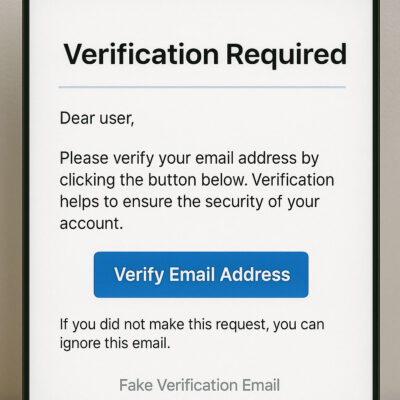
- Messages requiring account upgrades or extra steps that involve reimbursement with email verification.
- Third-party impersonations claiming to be from payment platforms like Zelle.
Tip: Legitimate payment services will never ask you to send money to receive money.
Protect Yourself: What You Can Do
- Always meet in person for marketplace sales, preferably in a public location.
- Never use unsecured payment methods unless you know and trust the other party.
- Trust your instincts—if something feels off, pause and reassess.
- Look for multiple red flags—a single one may not indicate fraud, but several together almost certainly do.
- Report scams to platforms and the FTC to help prevent future fraud.
Final Thoughts: Even the Smartest Can Be Scammed
 Michelle Fox’s personal story serves as a humbling reminder: scams aren’t about how smart you are—they’re about how fast someone can manipulate your emotions. Her honesty is a gift to the rest of us, showing just how quickly a well-constructed scam can unfold.
That’s why it’s important to not only learn and be mindful of these consumer issues ourselves but also to pass them on. Talk to your friends, family, and coworkers—especially those who may be more trusting or unfamiliar with how modern scams operate. Share articles, retell stories like Michelle’s, and encourage open conversations about red flags and digital safety. The more we normalize these discussions, the better equipped we all become to spot a scam before it costs us. Awareness is our first line of defense, and by spreading it, we help protect not just ourselves but the people we care about most.
Disclosure: This article is intended for informational purposes only and should not be considered legal advice. Images included are used for illustrative and artistic purposes only and do not depict actual individuals, events, or specific locations.
____________________________________
Led by timeshare attorneys J. Andrew Meyer and Michael D. Finn with over 75 years of combined legal experience. The Finn Law Group is a national consumer protection firm that specializes in Timeshare Law. If you feel you need the services of a timeshare attorney, contact our law firm today at 855-FINN-LAW. Want to learn more on timeshare related issues? Follow us on X.
Read another article on #ConsumerProtection