FTC Bans Hidden Junk Fees
 Understanding the New FTC Rule
Effective May 12, 2025, the Federal Trade Commission’s (FTC) new Rule on Unfair or Deceptive Fees marks a significant regulatory shift aimed at curbing the pervasive problem of “junk fees.” These are the hidden, mandatory charges that often appear late in a transaction—commonly known as “drip pricing”—and have long left consumers frustrated and confused.
Under the new rule, businesses selling live-event tickets (like concerts and sporting events) and short-term lodging (such as hotels and vacation rentals) must display the total price upfront, including all required fees. This means that the price consumers see first must be the actual price they pay—no surprises during checkout.
Why This Matters
For years, companies have relied on drip pricing to make their products appear cheaper in search results and comparison shopping tools. A $150 concert ticket may have seemed reasonable—until taxes, processing, and “facility” fees inflated the final cost to $210. Similarly, a $99 nightly hotel rate might jump to $145 with resort fees, as well as parking and cleaning fees added during booking.
The new rule is a direct attempt to restore clarity and trust at the point of sale.
 Key Provisions of the FTC’s Rule
Total Price Disclosure
Businesses must display the full price, including all mandatory fees, at the beginning of the transaction—on the first screen where the product or service is presented. This gives consumers a clear and honest basis for comparison shopping.
Example for compliance:
A concert venue updates its ticketing platform to automatically bundle all required charges into the headline price, ensuring what’s listed is what the customer pays.
Prohibition of Misleading Fees
The rule explicitly prohibits deceptive or ambiguous fee practices. Any misrepresentation about what the fee covers or whether it’s optional will be considered a violation.
Clear and Conspicuous Information
If any fee is not included in the total price upfront—such as optional add-ons or voluntary upgrades—it must be clearly and conspicuously disclosed before the consumer agrees to purchase.
Example for compliance:
A vacation rental site allows users to select optional upgrades like early check-in or pet cleaning services, but makes sure these charges are shown in a separate, highlighted section before checkout.
What the Federal Rule Doesn’t Cover—Yet
As it stands, the FTC’s rule only applies to live-event ticketing and short-term lodging. Industries like airlines, car rentals, dining, telecommunications, and financial services—where hidden fees are also rampant—remain outside the rule’s scope.
Why that matters
Consumers booking a flight might still see a low fare advertised, only to pay extra for seat selection, carry-on bags, and taxes. Or a car rental could advertise a daily rate of $40, then tack on airport concession fees and administrative charges at the counter.
Although the FTC has signaled interest in expanding the rule’s reach, doing so would likely require additional regulatory steps, industry studies, and potentially Congressional support.
A Win for Consumers and the Marketplace
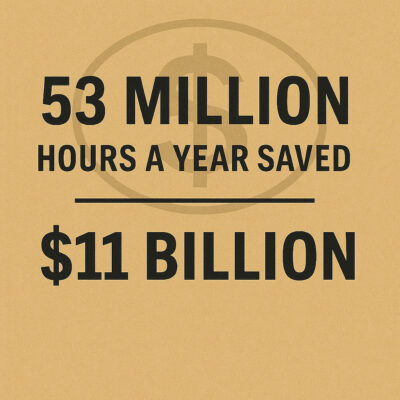 The FTC estimates this rule could save consumers up to 53 million hours a year—time previously spent hunting for true pricing details across websites and comparison tools. This time savings translates to over $11 billion over the next decade. But beyond time saved, this rule is about restoring trust in the marketplace.
Consumers who know they’re seeing the full cost are more likely to complete transactions—and more likely to return. Transparency creates long-term customer loyalty, which can be far more profitable than deceptive pricing strategies.
The Potential for Broader Application
Consumer protection advocates are already calling for the rule to expand into sectors notorious for junk fees. The logic is simple: if the goal is transparency and fairness, why stop at two industries?
Potential areas for future expansion include:
- Airline pricing (baggage, seat selection, taxes)
- Streaming services (hidden service or cancellation fees)
- Financial institutions (overdraft, maintenance, and transfer fees)
- Telecom providers (activation, equipment rental, and hidden surcharges)
A broadened rule could standardize total price advertising across the economy and help level the playing field for businesses that already operate transparently.
The Problem with Hidden Fees: A Legal Perspective
 Hidden fees aren’t just a consumer inconvenience—they’re a legal liability. They can lead to class action lawsuits, regulatory investigations, and steep reputational damage. In recent years, major ticketing platforms and hotel chains have faced lawsuits alleging unfair and deceptive practices due to non-disclosed fees.
From a legal standpoint, the FTC’s rule creates a clearer framework for enforcement. By defining what constitutes “unfair or deceptive” in the context of pricing, it gives both regulators and consumers a stronger basis to challenge practices that were once considered standard.
Final Thoughts: A Step Toward Pricing Clarity
The FTC’s new rule on unfair or deceptive fees is more than a regulatory update—it’s a shift toward accountability in consumer pricing. While its current scope is narrow, its intent is clear: eliminate pricing games, restore consumer trust, and level the playing field for businesses that operate in good faith.
Disclosure: This article is intended for informational purposes only and should not be considered legal advice. Images included are used for illustrative and artistic purposes only and do not depict actual individuals, events, or specific locations.
____________________________________
Led by timeshare attorneys J. Andrew Meyer and Michael D. Finn with over 75 years of combined legal experience. The Finn Law Group is a national consumer protection firm that specializes in Timeshare Law. If you feel you need the services of a timeshare attorney, contact our law firm today at 855-FINN-LAW. Want to learn more on timeshare related issues? Follow us on X.