5 Simple Steps to Stop Gift Card Fraud
Gift cards have long been a convenient solution for holiday giving and everyday gifting—small, portable, and easily personalized. Yet, as the shopping season shifts into high gear, a rising threat is lurking behind the convenience: gift card draining. This insidious form of fraud allows criminals to stealthily siphon the funds off your gift cards, often before you or the intended recipient even realize the card has been compromised. This article looks at 5 simple steps to stop gift card fraud.
A Growing Problem for Shoppers
 As the retail world continues to evolve—shifting from traditional brick-and-mortar establishments to sprawling digital marketplaces—one familiar favorite among customers remains alarmingly vulnerable: gift cards. What was once a simple and convenient choice for birthdays, holidays, and special occasions has now become a high-value target for increasingly resourceful scammers. In fact, according to ABC, “Last year, more than 41,000 cases of gift card draining were reported, resulting in a loss of over $200 million.” These startling figures not only expose the sheer magnitude of the issue but also serve as a critical reminder that both buyers and recipients must stay vigilant.
Whether you’re grabbing a last-minute stocking stuffer or sending a virtual gift halfway around the globe, it’s essential to approach gift card transactions with caution. By understanding common fraud schemes and taking proactive steps, shoppers can better protect themselves—and their intended recipients—from potentially devastating financial losses.
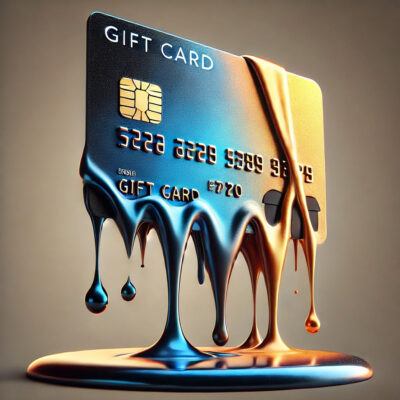
How Does Gift Card Draining Work?
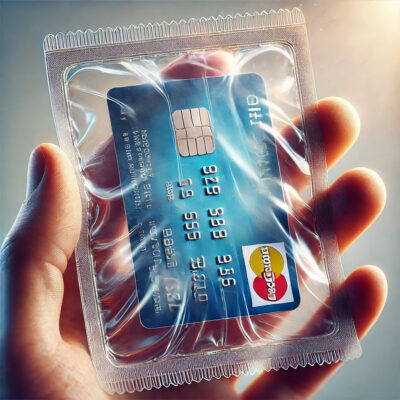
 Scammers deploy a wide array of techniques to exploit unsuspecting consumers, and their tactics are becoming more sophisticated every year. Some of the most prevalent methods start right on store shelves, where physical gift cards are compromised before they’re even purchased. In previous posts, we’ve discussed on fraudsters may peel back or discreetly scratch away the protective coating to capture the card’s number and PIN, then carefully reseal the packaging so it appears undamaged. This subtle tampering often goes unnoticed until the buyer—or the unlucky recipient—tries to redeem the card, only to discover its balance has already been siphoned off.
However, criminals don’t rely solely on in-store manipulation. In an increasingly online world, hackers have found fertile ground for digital trickery. They may set up convincing phishing websites or send deceptive emails that coax shoppers into revealing gift card codes, sometimes by posing as trusted retailers or customer service representatives. In other cases, cybercriminals exploit security vulnerabilities in e-commerce platforms or third-party gift card distributors, quietly harvesting sensitive information until they’re ready to strike.
Once the scammers have the access codes in hand, they waste no time draining the balance—either by purchasing goods for themselves or converting the value into easily liquifiable assets—leaving victims with nothing but an empty piece of plastic.
What the Experts Say
 The Better Business Bureau (BBB) has warned shoppers to be particularly cautious during the holiday season. “When purchasing a gift card, always inspect it for signs of tampering and store it away from prying eyes,” the BBB advises. They also recommend buying directly from trustworthy retailers or from their official websites, rather than through third-party resale sites.
ABC, in a recent report, noted that raising consumer awareness is critical: “Don’t just drop the gift card in a bag and forget about it. Redeem it as soon as possible or keep the receipt and card number in a safe location in case you need to report fraud,” the BBB shared.
Red Flags and Prevention Tips
 To protect yourself and your recipients from falling victim to gift card draining, consider the following strategies:
- Buy Gift Cards From Reputable Sources:
Opt for cards sold behind the store’s customer service counter, or purchase e-gift cards directly from official retailer websites. - Inspect Physical Cards:
Check the back of the card for any signs of tampering or that the protective code covering hasn’t been scratched off. - Keep Receipts and Documentation:
Hold on to your purchase receipts and store the card numbers in a secure place. This record can be vital if you need to file a complaint or dispute. - Use Gift Cards Promptly:
The longer a card sits unused, the more time a scammer has to drain it. Encourage recipients to redeem cards soon after receiving them. - Report Suspicious Activity Immediately:
If you suspect that a card’s funds have been depleted prematurely, contact the issuing retailer’s customer service line and report the issue. You may also file a complaint with agencies like the BBB or your local consumer protection bureau.
Staying One Step Ahead
Gift card draining is a growing problem, but with the right knowledge and proactive measures, you can significantly reduce the risk. Educate yourself and others, remain vigilant when purchasing, and encourage prompt use. By taking these steps, you can ensure your holiday giving remains full of cheer—rather than becoming a victim of fraudulent drains.
Disclosure: This article is for information purposes only and is not intended as legal advice.
_____________________________
Led by attorneys J. Andrew Meyer and Michael D. Finn with over 75 years of combined legal experience. The Finn Law Group is a national consumer protection firm that specializes in Timeshare and Travel Law. Follow us on Twitter X for more on 5 Simple Steps to Stop Gift Card Fraud.