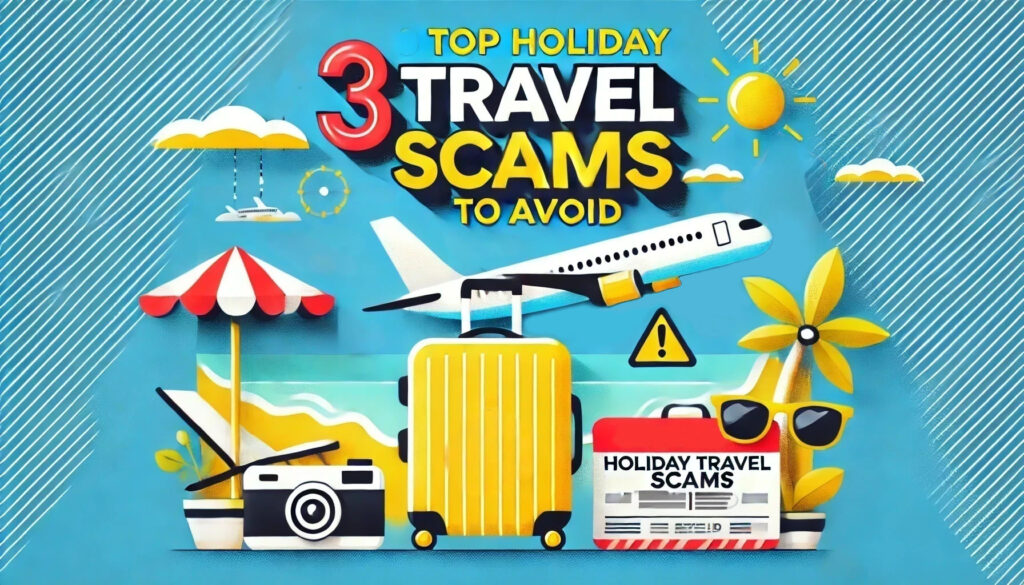
3 Top Holiday Travel Scams to Avoid
The holiday season is a cherished time when families and friends come together to celebrate and create lasting memories. Officials anticipate this season to be the busiest yet, with a record 100 million people expected to travel by road and air to reunite with loved ones or enjoy festive vacations. As the travel industry expands to one of its busiest times, the heightened activity also draws in scammers keen to exploit the excitement and urgency of holiday preparations.
In their recent article, the Daily Herald highlighted various holiday travel scams, offering readers valuable insights and practical tips to help them recognize and avoid fraudulent schemes during the busy travel season. From deceptive travel deals to fraudulent rental listings, these scams can not only ruin your holiday plans but also lead to significant financial loss and stress. Being informed about these common pitfalls is essential to safeguarding your travel arrangements. In this article we’ll explore the 3 top holiday travel scams to avoid, helping you enjoy a worry-free and joyful holiday season.
1. Fake Travel Deals and Booking Websites
 During the holidays, many people search for the best deals on flights, hotels, and vacation packages. Scammers exploit this by creating fraudulent websites and advertisements that mimic legitimate travel agencies or booking platforms. These fake sites often have professional designs and URLs that closely resemble those of well-known companies, making them appear authentic.
They lure travelers with unbeatable prices and exclusive holiday discounts, disseminated through online ads, phishing emails, and social media posts. When you attempt to book through these fraudulent platforms, you’re asked to provide personal information and payment details. After the transaction, you might receive a confirmation email that seems legitimate. However, when you arrive at the airport or hotel, you discover that no reservation exists. By then, the scammers have vanished with your money and personal information.
To avoid falling victim to this scam, always verify the authenticity of booking websites. Check for secure connections indicated by “https” and a padlock icon, and read reviews from other users. Whenever possible, book directly through official airline or hotel websites or reputable travel agencies. Be cautious of deals that seem too good to be true, and use secure payment methods like credit cards that offer fraud protection.
2. Holiday Rental Scams
Another common scam involves fake listings for vacation rentals. Scammers post attractive properties with stunning photos and reasonable prices on legitimate platforms or through classified ads. When you express interest, they may pressure you to make an upfront payment to secure the booking. Upon arrival, you might find that the property doesn’t exist, is already occupied, or doesn’t match the description.
This leaves you without accommodations and out of pocket for the money paid upfront, leading to additional stress and expenses during your holiday. To protect yourself, use trusted rental platforms that offer protections and have verified listings. Keep all communication and payments within the platform to ensure you’re covered by their security measures. Research the property by conducting online searches of the address and images to confirm its existence and availability. Be wary of requests for payment via wire transfer or other untraceable methods.
3. Timeshare and Vacation Club Scams
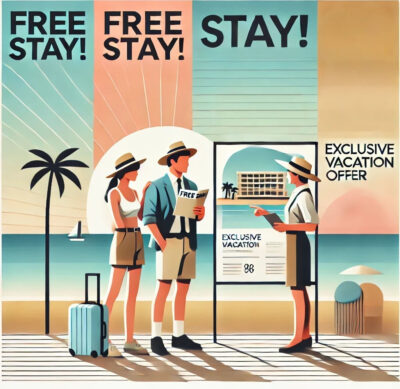 Scammers may entice travelers with promises of free vacations, discounted stays, or lucrative investment opportunities in timeshares and vacation clubs. These offers often require attending high-pressure sales presentations where the deals are sometimes misrepresented. Some scammers pose as timeshare resale agents claiming they can help sell your timeshare for an upfront fee.
Victims may end up locked into expensive contracts that offer little value or lose money from upfront fees with no return, resulting in significant long-term financial implications. To safeguard yourself, be skeptical of offers that require immediate decisions or payments. Thoroughly research the company, read reviews, and check for any complaints filed with consumer protection agencies. Before signing any contracts, consult a legal or financial advisor to fully understand the terms.
Staying Safe During Holiday Travels
 Scammers thrive during the holiday season for several reasons. Increased travel volume provides a larger pool of potential victims, and higher travel costs make enticing deals more appealing. The urgency and distractions of the season can lead people to overlook red flags, and the emotional desire to be with loved ones makes individuals more susceptible to fraudulent offers.
Everyone planning holiday travel can be at risk, but certain groups may be more vulnerable. Last-minute planners might fall for scams due to limited availability and increased urgency. Elderly individuals may be more trusting and less familiar with online scams, and budget-conscious travelers seeking the best deals might be tempted by offers that are too good to be true.
To stay safe, plan your travel arrangements well in advance to reduce the pressure to make quick decisions. Stay informed about common scams by keeping up-to-date with reports from consumer protection agencies or news outlets. Trust your instincts—if an offer seems too good to be true or something feels off, it probably is. Protect your personal and financial information by being cautious about sharing it online or over the phone.
Final Thoughts
By remaining vigilant and informed, you can protect yourself from scams aiming to disrupt your holiday cheer. Wishing you safe travels and happy holidays!
Disclosure: This article is for information purposes only and is not intended as legal advice.
____________________________
Led by attorneys J. Andrew Meyer and Michael D. Finn with over 75 years of combined legal experience. The Finn Law Group is a national consumer protection firm that specializes in Timeshare and Travel Law. If you feel you need the services of an attorney, please contact our office for a free consultation at 855-FINN-LAW. Follow us on Twitter X for more and Timeshare and Travel.