

Unwanted timeshare phone calls interrupt your day and drain your peace of mind. You can take control of your phone and cut off these interruptions. This guide shows you exactly how to block spam calls, use registry tools correctly, and report illegal telemarketers before they reach your door.
Why Are You Still Getting Timeshare Scam Calls?
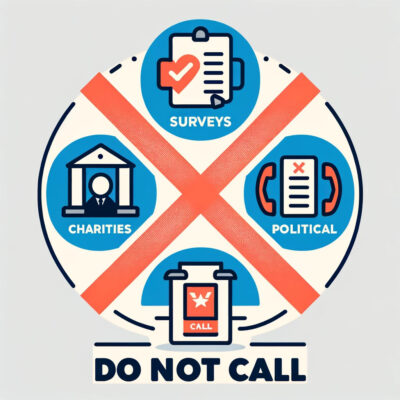
The National Do Not Call Registry helps, but it does not stop every call. Telemarketers exploit loopholes that keep your number on their timeshare call list. Companies you have an existing business relationship with can legally call you, even if you registered. Scammers and illegitimate callers often ignore the rules entirely. If you are trying to figure out how to forward calls to a screening service or block a private number, you are not alone. Many owners find that once a timeshare telemarketing company has your data, they share it across multiple networks.
How to Block Spam Calls on iPhone and Android
Your smartphone already has tools to filter these interruptions. If you need to know how to block spam calls on iphone, open your Phone app, find the recent number, and tap Block this Caller. Android users can open the Phone app, tap the number, and select Block/report spam. These steps stop the specific number from reaching you immediately. For a broader solution, you can explore our guide on block numbers to see more advanced settings. You can also look into how to forward calls to a voicemail or call-screening app if you want to verify who is calling before you answer.

Using Carrier Services and Third-Party Apps
Your phone carrier likely offers built-in protection that works in the background. AT&T Call Protect, Verizon Call Filter, and T-Mobile Scam Shield all identify suspected spam and block it before your phone rings. You can activate these features through your carrier’s app or website. Third-party apps like YouMail, Truecaller, and RoboKiller add another layer by automatically flagging known spam numbers. These tools work together to reduce the noise. If you want a complete walkthrough of carrier settings and app configurations, visit our page on how to block unwanted timeshare calls.
Reporting Illegal Timeshare Telemarketing Companies
When blocking tools fail, reporting the violation helps authorities track down the source. File a complaint with the Federal Trade Commission (FTC) to add your experience to their database. The FCC also accepts complaints about persistent robocalls and telemarketing violations. These reports trigger investigations and can lead to penalties for companies that break the law. You can also read about The Story of 97 Million Robocalls… With a connection to timeshares to understand the broader pattern of these outreach tactics. If you suspect you are dealing with a time share scam calls operation, documenting the call times, numbers, and recorded messages will strengthen your report. You can also read about how Timeshare Telemarketing Fraud Targets Seniors to understand the broader pattern of these outreach tactics.
What to Do If You Are Targeted for Timeshare Cancellation Calls

Some callers claim they can help you exit your contract, but these timeshare cancellation calls often mask high-pressure sales pitches or outright fraud. Legitimate rescission windows are strict state laws, not something a telemarketer can extend over the phone. As our legal facts reference notes, these windows are typically short, require written notice, and vary by state. A licensed attorney can review your contract to confirm your actual options. You can learn more about your legal standing by reading our Timeshare Attorney FAQs. If you decide you need professional guidance, Finn Law Group can help you navigate the next steps. Visit our Timeshare Cancellation page to see how we assist owners in your situation.
Frequently Asked Questions
Can I legally force a timeshare company to stop calling me? Yes. Once you register with the National Do Not Call Registry, legitimate telemarketers must stop calling within 31 days. If they continue, you can file a complaint with the FTC or FCC.

Why do I still get calls from a timeshare call list after registering? Scammers ignore the registry, and companies with an existing business relationship are exempt. You will need to use call-blocking features and carrier services to stop them.
How do I handle a timeshare telemarketing company that uses different numbers? Use carrier-level spam protection and third-party apps that update their databases regularly. You can also report the pattern to the FTC so they can track the network.
Are timeshare cancellation calls legitimate? Most are not. Legitimate rescission rights are governed by state law and require written notice. A licensed attorney can review your contract to confirm your actual options.
What should I do if a caller threatens legal action or credit damage? Threats are a common pressure tactic. Stopping payments on a timeshare carries real financial consequences, including potential credit damage and foreclosure, but these are separate from the telemarketing calls themselves. A licensed attorney can review your contract and explain your actual options without the pressure.
Unwanted calls are a symptom of a larger problem. If you are tired of the pressure and want a clear path forward, a licensed attorney can review your contract and explain your real options. Led by timeshare attorneys J. Andrew Meyer and Michael D. Finn with over 75 years of combined legal experience, Finn Law Group is a consumer protection firm that specializes in Timeshare Law and routinely educates owners on their rights. Visit our Consumer Protection Law page to learn how we advocate for owners. Contact Us to schedule a consultation and see what your contract actually allows.