Why Unused Timeshares Continue to Cost Owners Money
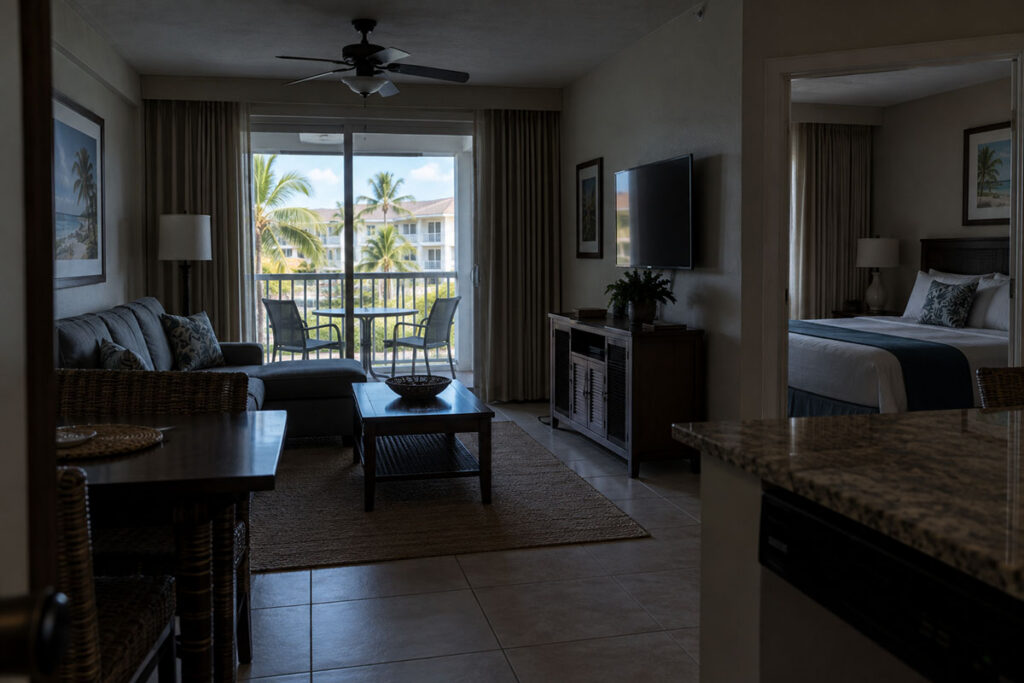
A timeshare can go unused for years and still remain a financial obligation. The owner may stop traveling, lose interest in the resort, or reach a stage of life when vacations are no longer a priority. None of those changes, by themselves, end the ownership.
That can be particularly frustrating for someone who looks at an annual maintenance fee and thinks, “Why am I still paying for something I never use?”
The answer begins with the timeshare agreement. Timeshare expenses are generally connected to ownership or contractual rights, not the number of nights an owner actually spends at the resort. As long as the ownership remains in place, maintenance fees and other obligations may continue even when the timeshare is sitting unused.
For owners who have reached that point, the more important question is not simply why the bills continue. It is what options may be available to bring an unwanted timeshare obligation to an end.
Not Using a Timeshare Does Not End the Ownership
It helps to separate use from ownership. A consumer can cancel many everyday services simply by deciding they no longer want them. A timeshare is different. Depending on the program, an owner may hold a deeded real estate interest, points, a club membership, a trust interest, a right-to-use arrangement, or another form of vacation ownership.
Those rights are governed by contracts and, in some cases, property documents that remain in effect whether the owner uses the timeshare or not.
An owner who skips a vacation therefore does not receive a reduction in the annual financial obligation. Someone who has not visited the resort for five years will still receive maintenance-fee statements because the underlying ownership has not changed.
This becomes especially important for longtime owners. Their lives may look very different from when they originally purchased the timeshare. Children grow up. Travel habits change. Retirement can alter household finances. Health or mobility can affect the ability to travel. A spouse may pass away, leaving one person with an ownership that was originally purchased for two.
The timeshare may have stopped fitting the owner’s life long before the contractual obligation stopped.
Why Maintenance Fees Continue Even When the Timeshare Is Empty
Maintenance fees generally support the continuing operation of the resort or timeshare program. Depending on the property and ownership structure, those expenses can include staffing, utilities, insurance, housekeeping, landscaping, repairs, administration, reserves, and other operating costs. Those expenses do not disappear because an individual owner decides not to travel.
The amount a timeshare owner is required to pay is determined by the governing documents and applicable program structure rather than individual usage. That is why simply leaving a week unused or allowing points to expire generally does not eliminate the corresponding ownership expenses.
Owners may also see those expenses change over time. Insurance, labor, repairs, utilities, reserves, and other operating expenses can affect the cost of maintaining a resort. The governing documents should explain how maintenance obligations are allocated and how fees may be established or adjusted.
For an owner who no longer uses the timeshare, however, even a modest increase can become increasingly difficult to justify. The owner is not necessarily receiving less under the contract. The problem is that the owner may no longer value or use what the contract provides.
That is an important difference.
Special Assessments Can Add Another Expense
Annual maintenance fees may not be the only continuing cost associated with an unused timeshare. Depending on the ownership and governing documents, an association or other responsible entity may have authority to impose special assessments for certain expenses. Major repairs, storm damage, insurance-related costs, renovations, or other significant property needs can potentially result in expenses beyond the ordinary annual budget.
For an owner who actively uses and enjoys the property, those costs may be viewed as part of maintaining the resort. For someone who has not visited in years, receiving an additional assessment can become the moment when the owner begins seriously considering whether continued ownership makes financial sense.
The important legal question is not whether the owner personally benefits from the expense. It is what obligations arise from the ownership documents and applicable law.
Owners who question an assessment should review the governing documents and information provided by the association or resort rather than assume that nonuse eliminates responsibility for the charge.
An Unused Timeshare Is Still an Ownership Problem
One of the most common mistakes an owner can make is treating an unwanted timeshare like an unused subscription. Ignoring it does not necessarily make it disappear.
A deeded timeshare can involve a recorded property interest. Points and club programs may involve contractual obligations that continue until the relationship is properly terminated. Financing can create an additional obligation separate from maintenance fees or other ownership expenses.
That means an owner needs to understand exactly what remains in place before deciding how to proceed. Start with the documents. Locate the purchase agreement, deed or membership documents, financing agreement, points or club materials, maintenance-fee statements, and any subsequent upgrade or conversion agreements. Longtime owners may discover that the current ownership is the product of several transactions rather than the single purchase they remember making years ago. Once those documents are assembled, the owner can begin evaluating the available options.
Before Paying Someone to Help, Contact the Developer
An owner who no longer uses a timeshare should generally determine whether the developer or resort offers an established surrender, deed-back, or owner-relief program before paying a third party.
Some developers provide programs that allow qualifying owners to return an ownership interest. Eligibility varies and may depend on the type of timeshare, whether financing remains outstanding, whether fees are current, and the developer’s policies at the time.
If a legitimate developer program completely resolves an unwanted ownership on acceptable terms, it may provide the most straightforward answer. The owner should still understand what is being offered. Will the ownership actually be transferred or terminated? What happens to future maintenance fees? Does outstanding financing remain? Are there administrative costs? What written documentation will confirm completion?
The objective is not simply to stop receiving a bill. It is to understand whether the underlying ownership and applicable obligations have actually ended.
What Happens If an Owner Simply Stops Paying?
When an unused timeshare has become a financial burden, stopping payment can seem like the simplest solution. It should not be confused with cancellation. Failure to pay maintenance fees, assessments, or financing obligations may result in consequences that depend on the type of ownership, contract, applicable law, and actions taken by the resort, association, lender, or collector. Those consequences can potentially include late charges, collection activity, credit-related issues, or foreclosure proceedings involving a deeded interest.
The specific consequences should be evaluated rather than assumed. Owners should also be careful with broad online advice suggesting that foreclosure is simply another form of timeshare cancellation. A foreclosure can have financial and credit consequences and may raise additional questions concerning outstanding obligations. Those issues vary according to the documents and applicable law.
Stopping payment is a financial decision. Ending a timeshare is an ownership and contractual issue. They are not necessarily the same thing.
What Happens to an Unused Timeshare After the Owner Dies?
Estate planning is another reason owners should not simply ignore an unwanted timeshare. Statements that children or other family members automatically “inherit the timeshare debt” can oversimplify a more complicated legal issue. What happens after an owner’s death can depend on the form of ownership, estate plan, probate law, contractual structure, applicable state law, and actions taken by the estate or potential beneficiaries.
In some circumstances, a beneficiary may have the ability to disclaim inherited property. Deadlines and legal requirements can apply, and a disclaimer is not the same thing as canceling the timeshare during the owner’s lifetime.
Owners concerned about leaving an unwanted timeshare behind should discuss the issue with an attorney as part of their broader planning rather than assuming their family will automatically be responsible for it. Addressing the ownership while the owner is alive may also provide more options than leaving the matter for an estate to resolve later.
When an Unused Timeshare Becomes a Legal Question
Not using a timeshare does not, by itself, create grounds for cancellation.That point is important. An owner may have purchased a valid vacation interest and simply reached a stage when it is no longer wanted. In that situation, the first options may involve a developer surrender program, legitimate transfer, or other contractual process.
Other owners have a more complicated history. Perhaps the ownership changed through several upgrades. Maybe additional points were purchased after representations about availability, fees, rental opportunities, resale, or future exit options. Financing may have been added or restructured. An owner may believe important statements made during the sales process are inconsistent with the documents or what occurred afterward. Those circumstances may justify a closer legal review.
A timeshare cancellation law analysis can examine the contracts, ownership history, disclosures, financing, sales representations, and applicable law to determine whether legal or contractual options may exist. The fact that a timeshare is unused explains why the owner wants a solution. The documents and facts help determine what that solution may be.
Exit Companies and Timeshare Attorneys Serve Different Roles
Owners searching online for help with an unused timeshare will likely encounter timeshare exit companies as well as law firms. These businesses should not automatically be treated as interchangeable.
A timeshare exit company is not necessarily fraudulent simply because it is not a law firm. Services and business models vary. But a non-law-firm company cannot independently practice law, provide legal advice, or represent an owner in court unless appropriately licensed attorneys are actually providing those legal services.
A timeshare attorney has a different role. Attorneys can evaluate contracts and legal rights, advise clients about potential claims and risks, communicate as legal counsel, and, where appropriate and permitted by jurisdiction, pursue legal remedies.
Finn Law Group explains these considerations further in its guide addressing why hiring a law firm differs from working with an exit company.
The important question is not simply who promises to “get you out.” It is what needs to be accomplished and who is qualified to provide the service required to accomplish it.
Frequently Asked Questions
Does an unused timeshare still cost money?
Generally, yes. Timeshare expenses are usually connected to ownership or contractual obligations rather than actual use. Maintenance fees and other authorized charges may therefore continue even when an owner no longer visits the resort.
Do maintenance fees stop if I stop using my points?
Generally not. Allowing points to expire or choosing not to make reservations does not ordinarily terminate the underlying ownership or membership. The governing documents determine the continuing obligations.
Can I just stop paying an unused timeshare?
Stopping payment does not, by itself, terminate ownership. Depending on the circumstances, nonpayment may result in late charges, collection activity, credit consequences, foreclosure, or other actions. Owners should understand the potential consequences before intentionally defaulting.
Can I give the timeshare back to the developer?
Possibly. Some developers offer surrender, deed-back, or owner-relief programs for qualifying ownerships. Contact the developer directly and obtain the program requirements and terms in writing before paying another company to pursue an exit.
Will my children automatically inherit my timeshare?
Not necessarily. What happens after an owner’s death depends on the ownership, estate, applicable law, and other circumstances. Potential beneficiaries may have legal options, including disclaimer in appropriate situations, but deadlines and requirements can apply.
Can an attorney cancel a timeshare simply because I no longer use it?
Nonuse alone does not necessarily provide legal grounds for cancellation. A timeshare attorney can review the ownership documents, sales history, financing, and applicable law to determine what contractual or legal options may be available.
Additional questions are addressed in Finn Law Group’s timeshare attorney FAQs.
If You No Longer Use the Timeshare, Understand Why You Still Own It
An unused timeshare can become easy to ignore until another maintenance-fee statement arrives. But the underlying problem is not that the owner failed to take a vacation. It is that the ownership or contractual relationship remains in place.
That is why the better approach begins with understanding the documents.
Determine what you own, whether financing remains outstanding, what ongoing obligations apply, and whether the developer offers a legitimate surrender option. If those avenues do not resolve the problem, or if concerns exist about the original sale, financing, disclosures, or subsequent upgrades, consider having the circumstances reviewed by a timeshare attorney.
You may have stopped using the timeshare years ago. That does not necessarily mean the timeshare stopped being yours. Understanding why is the first step toward determining what can be done about it.
About Finn Law Group
Finn Law Group is a timeshare law firm focused on representing consumers in timeshare-related matters. From its Florida headquarters, the firm works with owners confronting complex contracts, disputed sales representations, cancellation concerns, developer disputes, and other legal issues arising from timeshare ownership.
The firm’s practice is built around legal analysis rather than a standardized exit process. Attorneys review the ownership documents, sales history, applicable law, and individual circumstances before advising a client about potential options. Where supported by the facts and law, representation may include negotiation, dispute resolution, or litigation.
If you would like an experienced timeshare attorney to review your situation, call 727-214-0700 or schedule a free consultation.
Disclosure
This article is provided for informational purposes only and should not be considered legal advice. Every timeshare dispute and consumer protection matter is unique and depends on the specific facts and applicable law. Maintenance obligations, assessments, foreclosure procedures, inheritance issues, developer surrender programs, and potential legal remedies vary by ownership and jurisdiction. If you have questions about your legal rights or are considering taking action regarding your timeshare, consult with a licensed attorney experienced in consumer protection and timeshare law before making important legal or financial decisions.
| Not Sure How to Stop Paying for a Timeshare You Don’t Use? Finn Law Group offers a free consultation to review your contract and outline a legal path forward. Call 727-214-0700 |