The Changing Shape of Timeshare Ownership
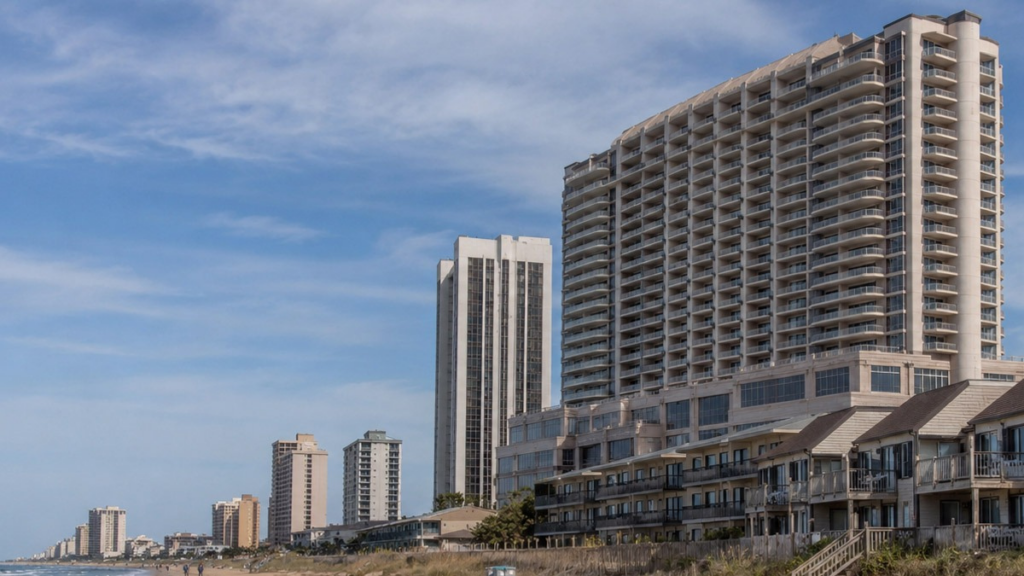
A recent article discussing timeshare architecture focused on the growing number of large resort buildings changing the look and feel of popular vacation destinations. While the discussion centered on physical development, many timeshare owners may see the issue differently.
For some consumers, the conversation is not only about buildings. It is also about how the vacation ownership industry itself has changed over time.
Bigger Systems Have Changed Ownership
Over the past several decades, the timeshare industry expanded quickly. Developers added larger resorts, introduced points systems, expanded exchange networks, and merged properties into large corporate vacation programs. At the same time, the ownership experience became more complicated.
Many owners who originally purchased fixed-week ownerships now find themselves dealing with:
- Complex reservation systems
- Booking competition
- Tiered membership programs
- Rising maintenance fees
- Limited availability during peak seasons
- Frequent upgrade presentations
Timeshare ownership was changing to vacation membership and may no longer feel as straightforward as it once did.
Reservation Frustrations Continue Growing
Reservation availability has become one of the most common concerns among owners.
As vacation systems continue expanding, many owners report increasing difficulty securing preferred resorts, larger units, and high-demand travel dates. Some owners and members now must plan vacations more than a year in advance to improve their chances of obtaining reservations.
Others notice that upgraded vacation membership levels often receive priority access, creating the impression that additional purchases may be necessary to maintain the same travel flexibility they once enjoyed.
These concerns continue appearing in owner discussions across online forums and consumer groups.
Ownership Has Become More Complex
Another noticeable change involves how vacation ownership programs now operate.
Years ago, buyers understood they were purchasing a specific property and deeded vacation week. Today, many systems function more like travel networks built around points, internal exchanges, and booking windows.
This shift has changed how many consumers view timeshare ownership itself. For some owners, the system they purchased years ago no longer resembles the one they participate in today.
Rising Costs Remain a Major Concern
Maintenance fees continue to draw attention from owners across the industry.
While resorts often point to insurance costs, staffing, renovations, and operating expenses as reasons for maintenance fee increases, a large number of owners still struggle with the long-term financial impact of ownership.
This concern becomes more significant for:
- Retirees
- Seniors living on fixed incomes
- Families facing changing financial conditions
- Owners who travel less frequently than before
Some consumers now question whether the long-term cost of vacation ownership still matches the value they originally expected to receive.
Owners Are Sharing Experiences More Openly
One major change in recent years involves the growth of owner discussions online.
Social media groups, owner forums, and consumer advocacy websites have created spaces where owners openly discuss:
- Reservation problems
- Fee increases
- Upgrade pressure
- Program changes
- Exit difficulties
- Resale frustrations
This increased transparency has changed how consumers can research and evaluate timeshare ownership. Potential buyers today might even review the experiences of existing owners before attending sales presentations or making purchasing decisions.
The Industry Continues Evolving
The modern timeshare industry operates very differently than it did decades ago.
Large hospitality companies now manage broad vacation networks with advanced reservation systems, layered membership levels, and ongoing expansion plans. In this environment, the old salesroom phrase “Today Only” can feel especially outdated. Many owners now understand that a timeshare purchase is not a one-day decision. It is a long-term financial and contractual commitment.
Final Thoughts
The discussion surrounding timeshare architecture may begin with resort development and changing skylines, but it also reflects larger questions about the direction of the vacation ownership industry itself.
Many owners are not simply evaluating the appearance of resorts. They are evaluating the overall experience, including reservations, fees, flexibility, and long-term obligations. Owners should remain informed, review program changes carefully, and fully understand how their ownership operates within today’s vacation landscape.
If you believe your vacation ownership experience no longer reflects what was originally presented during the purchase process, or if you are struggling to understand your legal rights and obligations, speaking with an experienced timeshare attorney may help provide clarity regarding your situation and available options.
_________________________________________________________________
Disclosure: This article is for general informational purposes only and does not constitute legal advice. You should consult a qualified timeshare attorney for advice specific to your situation.
Led by timeshare attorneys J. Andrew Meyer and Michael D. Finn with over 75 years of combined legal experience. The Finn Law Group is a national consumer protection firm that specializes in Timeshare Law. If you feel you need the services of a timeshare attorney, contact our law firm today at 855-FINN-LAW. Want to learn more about timeshare related issues? Follow us on X, formally Twitter.