
Phone Scammers Losing Key Loophole
For years, scam calls have been more than just an annoyance — they’ve been a financial and emotional burden for millions of Americans. Whether it’s a fake call from the IRS demanding back taxes or a phony tech support scam threatening to shut down your computer, the end goal is always the same: to steal your money and personal information.
Despite past efforts by regulators and phone carriers, robocalls and spoofed numbers have only evolved, targeting the most vulnerable members of our society. But now, a long-overdue move by the Federal Communications Commission (FCC) could finally put scammers on notice.
The Scam You Never Saw Coming
 The worst part? Most of these calls look real. Thanks to a trick known as caller ID spoofing, scammers can make it seem like they’re calling from your bank, your neighbor, or even your own phone number.
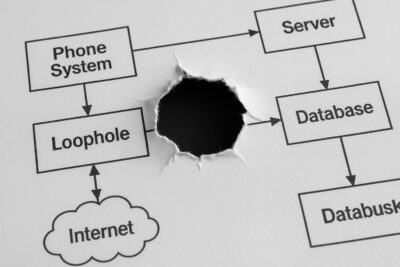
How? They’ve been exploiting a loophole in the phone system — routing their calls through old-school, non-internet phone networks that don’t have the modern protections in place to verify if a call is legitimate.
These non-IP networks — the kind used by traditional landlines — don’t support the advanced digital caller ID system known as STIR/SHAKEN, which was developed specifically to stop spoofing. That gave scammers an easy workaround: make the call look local, pass it through an outdated network, and sneak it through undetected.
What the FCC Is Doing About It
Recognizing the damage this loophole has caused, the FCC is now taking direct action to close it.
Here’s what they’ve announced:
🔒 Mandatory Caller ID Authentication on All Networks
Every phone call — even those made over legacy systems — will soon be required to carry a verifiable digital signature. That means no more hiding behind outdated infrastructure.
📄 Strict Certification Rules for Providers
Phone companies will be required to regularly certify that they’ve implemented protections against spoofing — or face potential penalties.
⏳ Two-Year Compliance Deadline
Carriers will have up to two years to fully implement these changes, giving the industry time to modernize without delaying enforcement forever.
Scammers Exploit Legacy Networks Despite TRACED Act Progress
 The current legislation represents a continuation and expansion of the 2019 TRACED Act, which initially required the implementation of STIR/SHAKEN call authentication protocols on digital voice networks. This framework was designed to curb spoofed robocalls by verifying that a call truly originated from the number displayed on caller ID. While this measure did have a measurable impact on reducing scam calls across fully digital networks, it inadvertently created a new vulnerability.
Scammers quickly adjusted their tactics. Instead of giving up, they began exploiting the loopholes — specifically, legacy networks and smaller carriers not covered by the same strict standards. These older, analog or partially upgraded systems became the “weak links” in the telecommunications chain. Without the same STIR/SHAKEN protections, bad actors rerouted their calls through these outdated networks, effectively sidestepping the law’s intent. As a result, while the volume of spoofed calls may have dropped on major networks, the fraud simply shifted in form and entry point — continuing to reach unsuspecting consumers through the back door.
Why This Change Is a Big Deal for Consumers
Let’s be blunt: robocalls are costing Americans billions. According to the FTC, scam phone calls resulted in over $1.1 billion in reported losses in 2023 alone, with actual figures likely much higher due to underreporting.
And the victims? Often seniors, who simply didn’t expect the call to be fake. They’re pressured into giving up:
- Bank account and Social Security numbers
- Remote access to their computers
- Gift cards or wire transfers for “emergency payments”
- Even their life savings
By forcing all networks to comply with modern caller authentication rules, the FCC is cutting off the oxygen supply these scammers rely on — anonymity.
How You Can Protect Yourself Right Now
 While these new federal rules are rolling out, here’s what you can do to protect yourself and your loved ones:
1. Don’t Trust Caller ID at Face Value
You don’t have to answer every call when your phone rings. Even if a number looks familiar, don’t assume it’s legit. If it’s important, they’ll leave a message.
2. Never Share Personal Information Over the Phone
Government agencies will never ask for payments over the phone — especially not in gift cards or wire transfers.
3. Use Call-Blocking Services
Major carriers like Verizon, AT&T, and T-Mobile now offer free scam call filtering. There are also third-party call blocking apps that you can subscribe to for additional protection on cell phones.
4. Report the Call
Every report helps build a case. File a complaint at reportfraud.ftc.gov or with the FCC directly.
A Long Time Coming — But Just the Beginning
Consumers have been calling for action for years, and this move by the FCC sends a clear signal: the era of untraceable robocalls is coming to an end. While it won’t happen overnight, requiring even the oldest phone networks to adopt modern protections is a significant step forward.
For now, awareness is your best defense. Stay skeptical, stay informed, and keep pushing for stronger protections — because no one should be scammed by a phone call.
Disclosure: This article is intended for informational purposes only and should not be considered legal advice. Images included are used for illustrative and artistic purposes only and do not depict actual individuals, events, or specific locations.
____________________________________
Led by attorneys J. Andrew Meyer and Michael D. Finn with over 75 years of combined legal experience. The Finn Law Group is a national consumer protection firm that specializes in fighting consumer scams in Travel and Timeshare. If you feel you need the services of a timeshare attorney, contact our law firm today at 855-FINN-LAW. Want to learn more on timeshare related issues? Follow us on X.