Legacy Timeshare Ownership in the Aftermath of Disaster
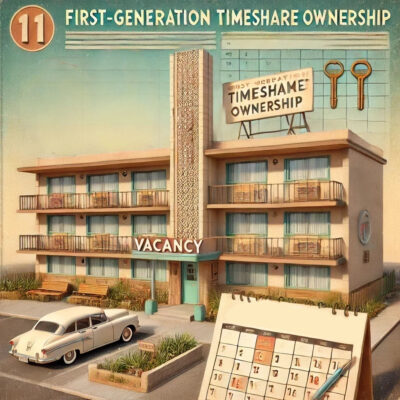 The model of early timeshare ownership—commonly referred to as “first generation” timeshares—was once hailed as a pioneering solution for affordable, long-term vacation property access. Buyers were promised a piece of paradise, annual weeks at a beloved destination, and the potential for passing these memories on to future generations.
However, decades later, these legacy timeshares often face a host of challenges, from aging infrastructure and changing travel preferences to catastrophic events that reshape entire coastlines. As the years go by, property owners find themselves trapped in the middle: locked into contracts, burdened by perpetual maintenance fees, and forced to make tough decisions about the future of their investment.
One vivid illustration of these issues can be seen in the case of Florida’s Royal Beach Club on Fort Myers Beach. Once a prized getaway spot, this first-generation timeshare fell victim to forces beyond anyone’s control. After the devastation wrought by Hurricane Ian, owners are now confronting the harsh reality that some legacy vacation properties are not worth rebuilding.
Background on the Royal Beach Club
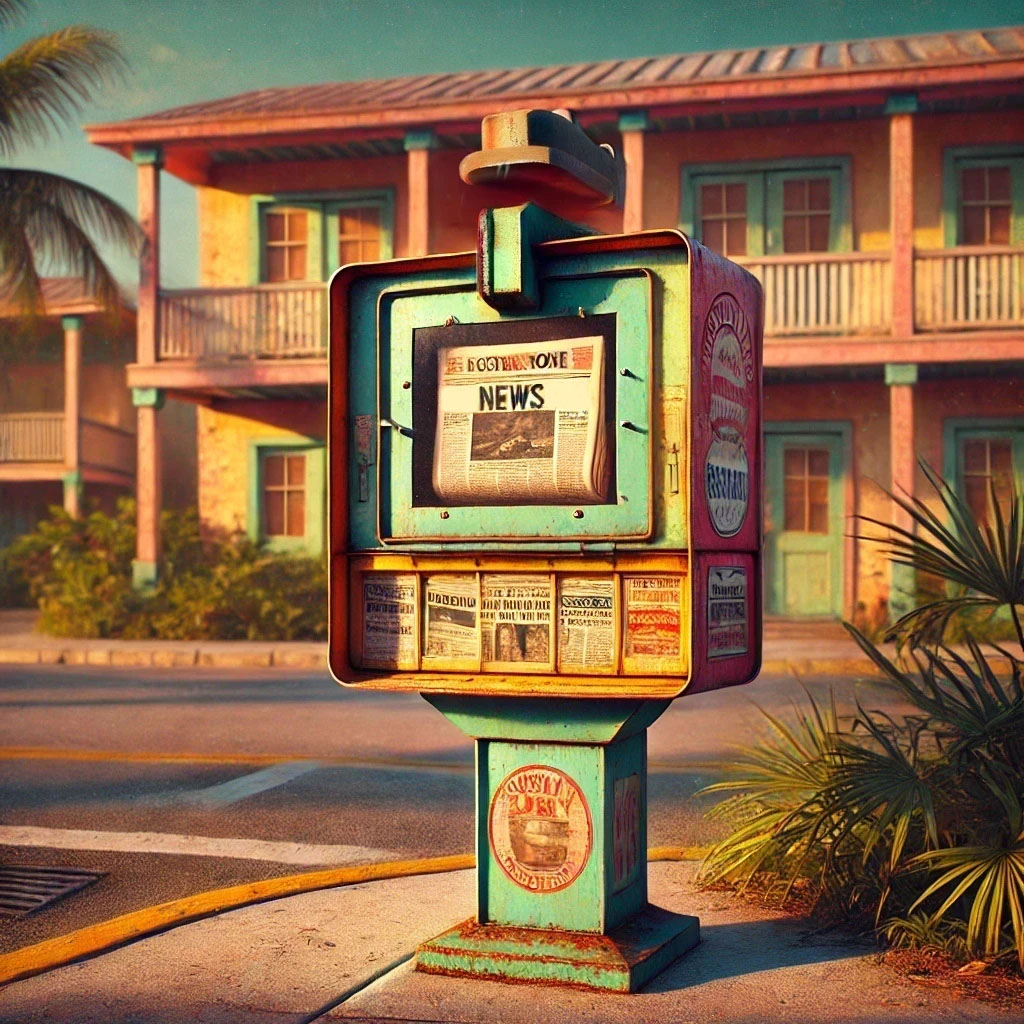
Fort Myers Beach, long prized for its sunny shores and vibrant tourism, was home to the Royal Beach Club, a 31-unit timeshare property that, according to the Beach Talk Radio News report, “will not be rebuilt.” The decision not to restore the property marks a turning point for owners who likely once saw their purchase as a secure, tangible asset guaranteeing annual vacations.
Legacy Timeshare Ownership in the Aftermath of Disaster: The tragedy that struck the Gulf Coast in the form of Hurricane Ian left many residences and resorts in ruins. While newer properties or those backed by large corporations often have the means and flexibility to rebuild, legacy timeshares frequently face more uncertain futures. These older structures, originally designed in an era before modern building codes, often lack the financial reserves necessary to undertake extensive reconstruction.
The Timeshare Owner’s Predicament
 In the wake of the storm, owners of the Royal Beach Club units found themselves at a crossroads. They had to consider selling or dissolving their interest rather than banding together to rebuild. According to Beach Talk Radio News, “The timeshare owners learned Tuesday the property is being sold.”
This decision was not taken lightly, and as Board President George Andrew said, “Based on the overall cost to rebuild, increased insurance & property taxes alone, the annual HOA fee would be much higher than what it has been and didn’t make sense. It all came down to dollars and cents and what the wiser choice was.”
The situation illuminates the fraught position many legacy timeshare owners face: the recognition that pumping money into an older property in a hazardous area may not be a sound long-term investment. For timeshare owners, these moments force deep financial introspection. They must evaluate ongoing maintenance fees, special assessments, and insurance costs against the property’s current and future value. While the idea of walking away from an investment that once symbolized cherished family memories may be heartbreaking, holding onto it can sometimes be even more costly.
Financial and Emotional Considerations
Owners of first-generation timeshares like the Royal Beach Club often purchased their shares decades ago, sometimes at lower initial prices but with the expectation that they would reap the benefits for years. Now, they must consider whether:
- To Rebuild or Not to Rebuild: Even before a disaster, aging properties can become liabilities. After a cataclysmic event, the cost and complexity of reconstruction can be staggering. Quoting the article, owners have realized “it will not be rebuilt” due to the enormity of the task and the uncertain return on such an investment.
- Selling the Property: Selling can free owners from future financial burdens but may mean receiving a fraction of the original cost or value. As noted, “The timeshare owners learned Tuesday the property is being sold.” But who buys a hurricane-damaged timeshare property, and at what price?
- Dissolving the Timeshare Association: This final resort may allow owners to split any residual land value. Still, the process can be fraught with legal complexities and emotional strain. No one enters a timeshare agreement expecting to see its end brought on by nature’s wrath and an unforgiving real estate market.
Lessons Learned for Legacy Timeshare Owners
 The Royal Beach Club scenario highlights several key takeaways for owners of legacy timeshares:
- Plan for the Unexpected: Natural disasters can strike at any time, making adequate insurance and reserve funds crucial. Unfortunately, many first-generation timeshare associations were not structured with sufficient reserves or comprehensive insurance to deal with total loss.
- Be Prepared to Make Tough Choices: Legacy owners often find themselves confronted with emotionally taxing decisions. The timeshare that once symbolized family vacations may now represent a financial anchor. Understanding the short- and long-term costs of maintaining a damaged or outdated property is vital.
- Investigate Modern Alternatives: As travel preferences evolve, newer, more flexible vacation ownership models may better meet consumer needs. The rigidity of older timeshares can become a disadvantage in an era where travelers expect flexible booking, modern amenities, and the freedom to choose varied destinations.
Final Thoughts
 The Royal Beach Club case study underscores the complexities that arise when aging, first-generation timeshares are confronted by nature’s fury and a changing vacation marketplace. In scenarios of Legacy Timeshare Ownership in the Aftermath of Disaster, owners find themselves “stuck in the middle,” forced to choose between investing more money into a potentially untenable situation or relinquishing an asset once cherished as a long-term family tradition.
With the property now being sold, it’s clear that older timeshare properties aren’t always the safe bet owners once believed. Instead, they highlight how challenging it can be for both current and future owners to juggle financial realities and emotional ties when making decisions about their vacation properties.
Disclosure: This article is for information purposes only and is not intended as legal advice.
___________________________________________
Led by timeshare attorneys J. Andrew Meyer and Michael D. Finn with over 75 years of combined legal experience. The Finn Law Group is a national consumer protection firm that specializes in Timeshare Law. If you feel you have a timeshare ownership issue and need legal assistance, we offer a free consultation in office or by phone at 727-214-0700 | Follow us on Twitter X.
Source:
- Beach Talk Radio News. Royal Beach Club Will Not Be Rebuilt. Accessed from https://beachtalkradionews.com/royal-beach-club-will-not-be-rebuilt/