BNPL Fueling a Shift in Consumer Spending
 The “Buy Now, Pay Later” (BNPL) revolution is no longer on the horizon—it’s here, and it’s growing fast. According to a recent broadcast by Fox News, citing data from eMarketer, the total transaction volume for BNPL purchases has surged from $5.45 billion in 2019 to a projected $116.67 billion by 2025. This tenfold increase in just six years underscores a major transformation in how Americans, particularly Gen Z, are choosing to spend—and delay—payment.
The BNPL Boom by the Numbers
The data presented by Fox News paints a clear picture of rapid adoption:
- 2019: $5.45B
- 2020: $13.88B
- 2021: $38.5B
- 2022: $60.07B
- 2023: $76.98B
- 2024: $97.88B
- 2025: $116.67B (projected)
What began as a niche service offered by a handful of fintech companies has now become mainstream, offered by major players like Affirm, Afterpay, Klarna, and even traditional banks. This rapid growth reflects consumers’ increasing demand for flexibility in payment—particularly in an economy where inflation and high interest rates make traditional credit cards less attractive.
Why Gen Z Is All In
Born between the late 1990s and early 2010s, Gen Z has come of age in a digital-first economy, and their financial habits reflect this. BNPL services appeal to this generation for several reasons:
- No Interest (Usually): Unlike credit cards, many BNPL platforms don’t charge interest if payments are made on time.
- Instant Gratification: The ability to acquire goods immediately, without waiting until payday.
- Mobile Integration: BNPL is often built directly into e-commerce platforms and apps, aligning perfectly with Gen Z’s mobile shopping habits.
- Credit Aversion: Many Gen Zers distrust credit cards or struggle to qualify, making BNPL an accessible alternative.
A survey by TransUnion in 2023 found that more than 50% of Gen Z adults had used BNPL services at least once, and a significant number plan to continue doing so. They prefer it not only for big-ticket items but also for fashion, electronics, and even groceries.
Risks and Responsibilities: The Cost of Convenience
 While Buy Now, Pay Later offers unmatched convenience and flexibility, it comes with a growing set of financial risks—especially as more users begin using these services for leisure and lifestyle purchases, including travel, entertainment, and vacations.
Consumer advocates, such as Andy Spears, have voiced concern about the ease with which users—particularly younger generations—can overextend themselves. Because BNPL platforms break purchases into smaller, seemingly manageable payments, shoppers may commit to multiple simultaneous repayment plans without fully grasping the total monthly burden. This can create a snowball effect, especially when buying non-essential or luxury experiences like concerts, weekend getaways, or vacation packages.
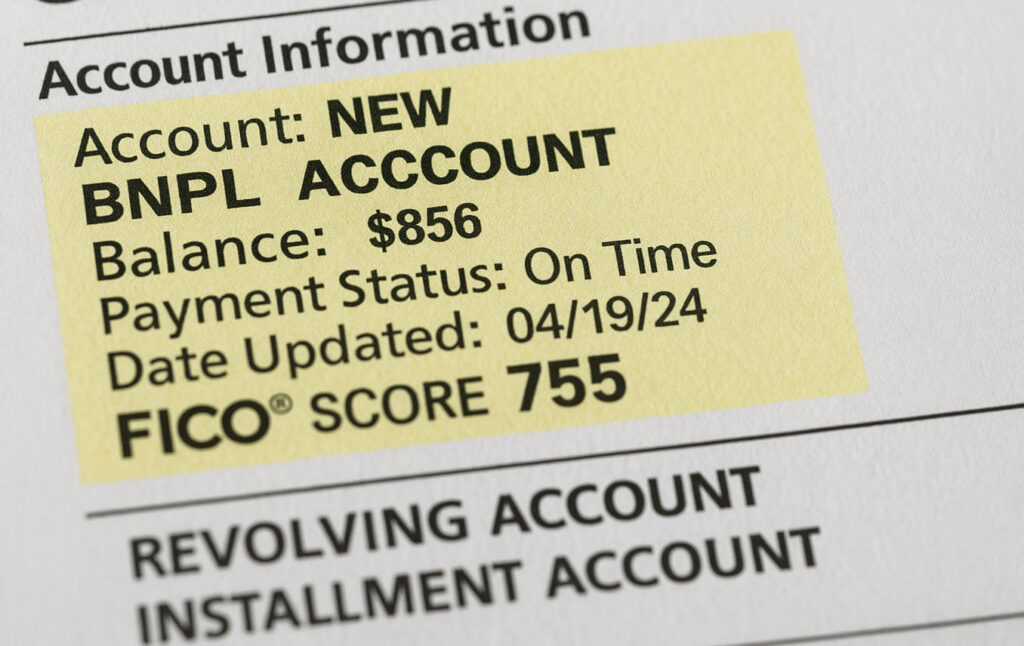
Moreover, late fees and penalties can quickly accumulate if payments are missed, turning a flexible spending option into a high-cost trap. Compounding the issue is the lack of standardized credit reporting across BNPL providers, which means that consumers may not build credit even when they pay on time—but still suffer if they default. In June, leading credit reporting agency FICO revealed that it will start factoring Buy Now, Pay Later (BNPL) loan activity into its credit scoring system. This update comes through the launch of two new models designed to capture consumers’ BNPL repayment behavior. The move marks a significant shift in how these short-term installment loans will influence a borrower’s overall credit profile.
The Future of Consumer Credit?
 As Fox News emphasized, this projected $116.67 billion market isn’t just a trend—it may well redefine personal finance. Whether it’s buying a new laptop, outfit, or travel package, Gen Z is telling the market one thing loud and clear: “We want to pay later.”
Retailers and fintech companies have quickly embraced the surge in BNPL popularity, integrating these payment options at checkout to drive sales and boost customer satisfaction. But as the industry expands, consumer protection attorneys are beginning to see early signs of trouble, including disputes over unclear repayment terms, aggressive debt collection tactics, and a lack of transparency around fees and obligations.
These legal professionals stress that consumers need to fully understand their rights before agreeing to installment plans that may appear risk-free on the surface. That’s why it’s not just merchants and fintechs who should be paying attention—regulators, financial institutions, and everyday consumers must stay informed and vigilant, ensuring that convenience doesn’t come at the expense of fairness or financial security.
Disclosure: This article is intended for informational purposes only and should not be considered legal advice. Images included are used for illustrative and artistic purposes only and do not depict actual individuals, events, or specific locations.
____________________________________
Led by timeshare attorneys J. Andrew Meyer and Michael D. Finn with over 75 years of combined legal experience. The Finn Law Group is a national consumer protection firm that specializes in Timeshare Law. If you feel you need the services of a timeshare attorney, contact our law firm today at 855-FINN-LAW. Want to learn more on timeshare related issues? Follow us on X formally Twitter.
Sources:
Fox News
eMarketer Forecast via Fox News
TransUnion Gen Z Financial Behavior Survey, 2023
CFPB Consumer Advisory Reports, 2024